
فرهنگ همزیستی در بلوچستان
تلویزیون رُژن | دوشنبه ۳۱ فروردین ۱۴۰۵ / ۲۰ آوریل ۲۰۲۶
در مناطق بلوچستان در طول سدهها همزیستی میان اقوام و پیروان ادیان مختلف بر پایه احترام متقابل و سنتهای مشترک شکل گرفته است
جامعه بلوچ در کنار هندوها و دیگر گروههای مذهبی زندگی مسالمتآمیزی را تجربه کرده و این الگو به عنوان بخشی از هویت فرهنگی منطقه شناخته میشود
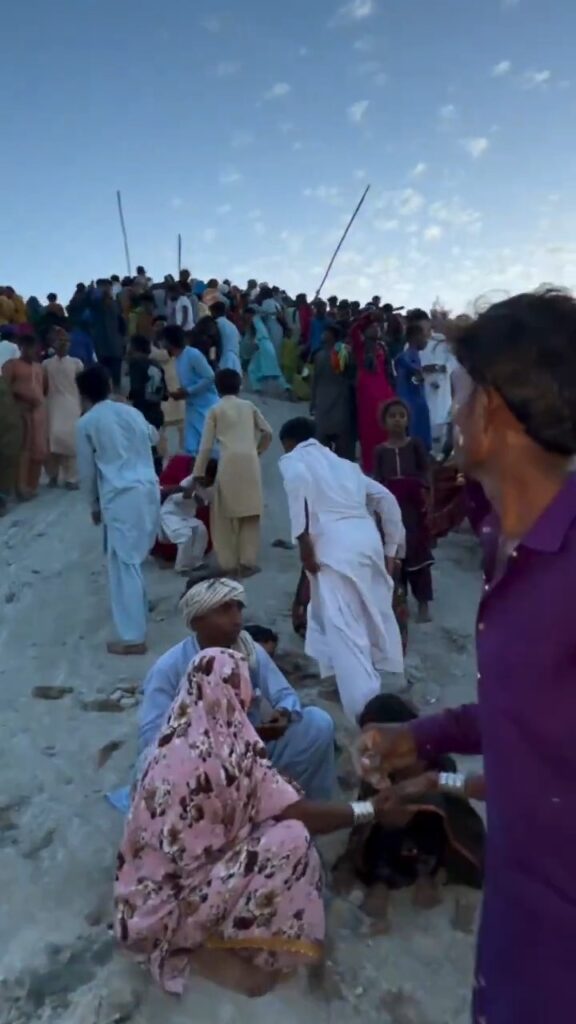
معبد هینگلاج که با نام نانیکا مندر نیز شناخته میشود یکی از کهنترین مراکز زیارتی در این منطقه است که پیشینه آن به دورههای باستانی بازمیگردد
این مکان هر سال میزبان زائرانی از مناطق مختلف است و حضور آنان در کنار ساکنان محلی نمونهای از تداوم احترام و پذیرش متقابل در بلوچستان به شمار میآید
روایتهای تاریخی نشان میدهد که این منطقه همواره محل عبور فرهنگها و باورهای گوناگون بوده و نقش مهمی در حفظ ارتباط میان جوامع ایفا کرده است
این میراث فرهنگی امروز نیز به عنوان نشانهای از همبستگی اجتماعی و احترام میان گروههای مختلف در بلوچستان مطرح است
ENA Culture of Coexistence in BalochistanRead in English
Rozhn TV | Monday, April 20, 2026
Over the centuries, coexistence between ethnic groups and followers of different religions in the regions of Balochistan has been built on mutual respect and shared traditions.
The Baloch community has lived peacefully alongside Hindus and other religious groups, and this pattern is recognized as part of the region’s cultural identity.
The Hinglaj Temple, also known as Nani Ka Mandir, is one of the oldest pilgrimage sites in the region, with a history going back to ancient times.
Every year the site hosts pilgrims from various areas, and their presence alongside local residents is regarded as an example of the continuity of mutual respect and acceptance in Balochistan.
Historical accounts show that this region has always been a crossing point for different cultures and beliefs and has played an important role in maintaining ties between communities.
Today this cultural heritage is also cited as a sign of social solidarity and respect among the various groups in Balochistan.



