هشدار مولوی عبدالحمید درباره پیامدهای فشارهای امنیتی
تلویزیون رُژن | یکشنبه ۱۳ اردیبهشت ۱۴۰۵ / ۳ مه ۲۰۲۶
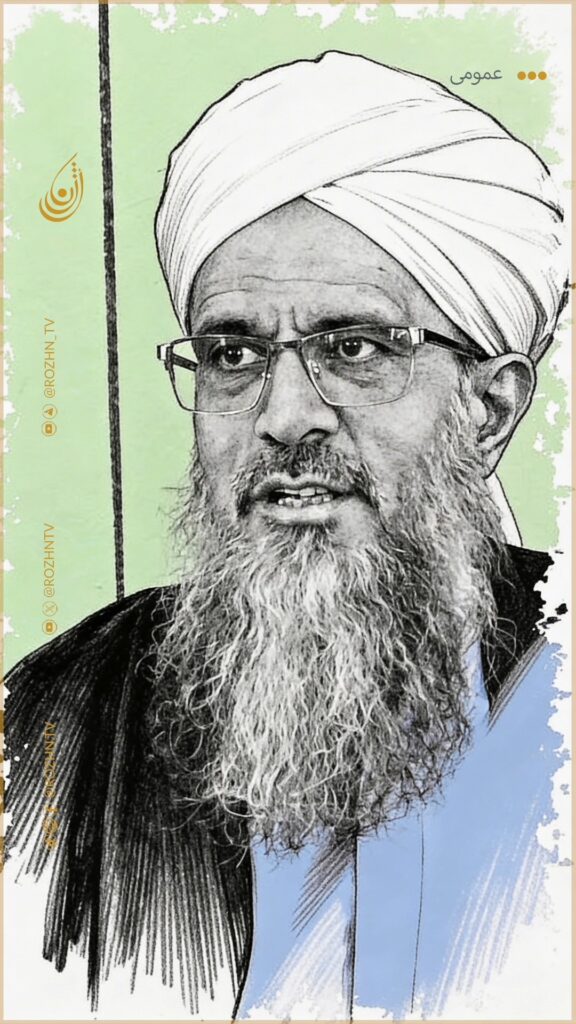
مولوی عبدالحمید امامجمعه زاهدان در خطبههای نماز جمعه با اشاره به افزایش فشارهای امنیتی در سیستان و بلوچستان نسبت به پیامدهای اجتماعی و اقتصادی این روند هشدار داد و خواستار بازنگری در سیاستها شد
وی تأکید کرد ادامه این شرایط میتواند باعث ایجاد نارضایتی و چالشهای جدید در جامعه شود و از مسئولان خواست وضعیت معیشتی مردم را در تصمیمگیریها مدنظر قرار دهند
مولوی عبدالحمید در ادامه به خروج مولوی فضلالرحمن کوهی اشاره کرد و او را از چهرههای دینی فعال در حوزه حل اختلافات اجتماعی دانست
بر اساس گزارشهای موجود گفته میشود مولوی فضلالرحمن کوهی پس از افزایش فشارها و احضارهای قضایی کشور را ترک کرده و هماکنون خارج از ایران به سر میبرد
اطلاعات منتشرشده نشان میدهد وی پیشتر نیز سابقه بازداشت داشته و در سخنان خود بر بیان دیدگاههای انتقادی و لزوم افزایش تحمل در برابر منتقدان تأکید کرده بود
برخی منابع محلی نقش چنین چهرههایی را در کاهش تنشهای اجتماعی و تقویت گفتوگو در منطقه مهم ارزیابی میکنند
ENMolavi Abdolhamid Warns of the Consequences of Security PressureRead in English
Rozhn TV | Sunday, May 3, 2026
Molavi Abdolhamid, Friday prayer leader of Zahedan, in his Friday prayer sermons referred to increasing security pressure in Sistan and Baluchestan, warned of the social and economic consequences of this trend, and called for a review of policies.
He stressed that continuation of these conditions could cause discontent and new challenges in society, and asked officials to take people’s livelihoods into account in their decisions.
Molavi Abdolhamid went on to refer to the departure of Molavi Fazlurrahman Kuhi, describing him as a religious figure active in resolving social disputes.
According to available reports, Molavi Fazlurrahman Kuhi is said to have left the country after increased pressure and judicial summonses, and is currently living outside Iran.
Published information indicates that he had previously also been detained, and that in his remarks he had emphasized expressing critical views and the need for greater tolerance toward critics.
Some local sources regard the role of such figures as important in reducing social tensions and strengthening dialogue in the region.