آینده تجارت اوراسیا از سواحل بلوچستان میگذرد
تلویزیون رُژن | چهارشنبه ۲۳ اردیبهشت ۱۴۰۵ / ۱۳ مه ۲۰۲۶
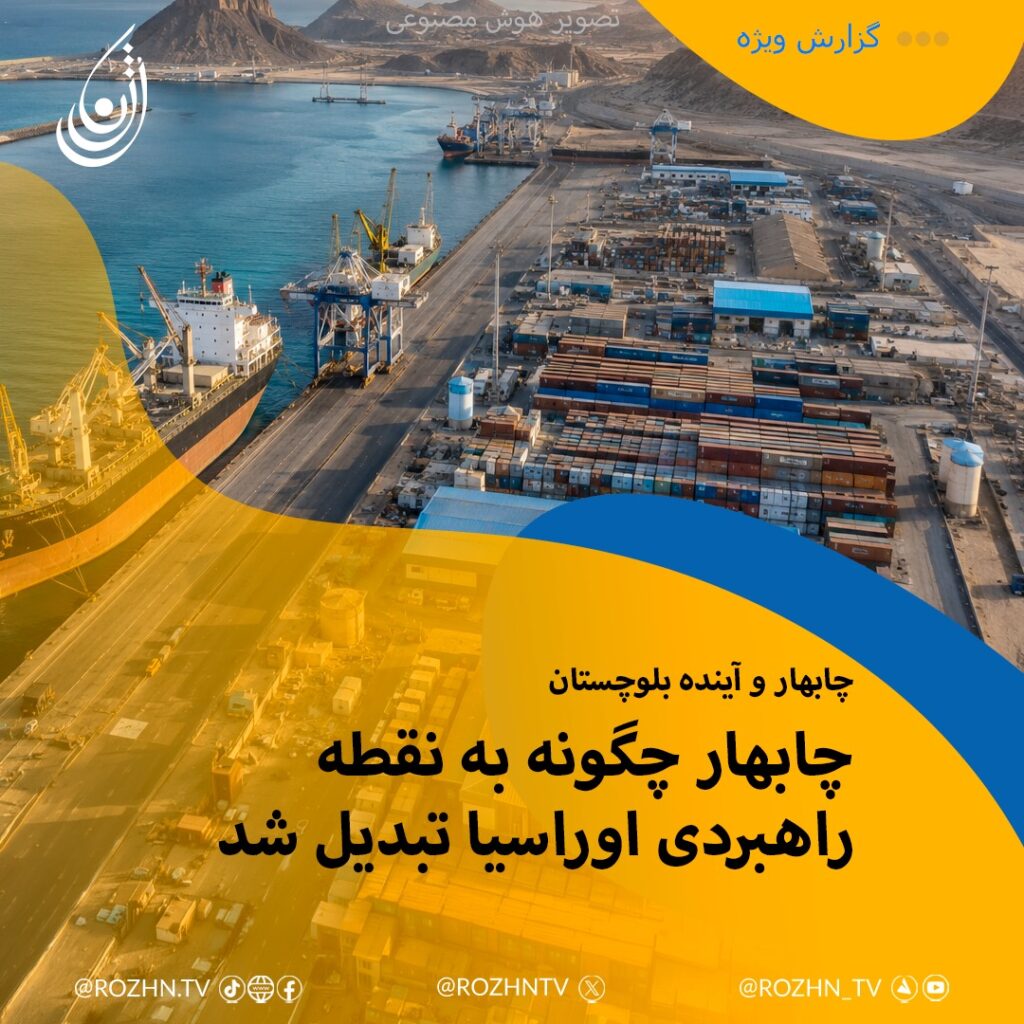
بندر چابهار بار دیگر در مرکز توجه پروژههای اقتصادی و ترانزیتی منطقه قرار گرفته است پس از توافق تازه میان ایران و هند برای ادامه همکاری در توسعه پایانه شهید بهشتی بحثها درباره آینده اقتصادی بلوچستان و سهم مردم منطقه از این پروژه افزایش یافته است
چابهار به دلیل موقعیت جغرافیایی خود میتواند به یکی از مهمترین مسیرهای اتصال آسیای مرکزی به آبهای آزاد تبدیل شود هند این بندر را راهی برای دسترسی به بازارهای غرب و شمال آسیا میداند و ایران نیز از آن به عنوان فرصتی برای توسعه تجارت و زیرساختهای جنوب شرق کشور یاد میکند
اما در کنار این سرمایهگذاریها پرسشهایی نیز مطرح است آیا توسعه چابهار میتواند فرصتهای شغلی گستردهتری برای جوانان بلوچستان ایجاد کند آیا مردم محلی در پروژههای اقتصادی و مدیریت بندری سهم بیشتری خواهند داشت و آیا درآمدهای حاصل از ترانزیت و تجارت میتواند به توسعه زیرساخت آموزش و خدمات شهری در منطقه کمک کند
فعالان اقتصادی در بلوچستان میگویند موقعیت راهبردی چابهار ظرفیت آن را دارد که این منطقه را به مرکز تجارت دریایی و حملونقل در جنوب آسیا تبدیل کند با این حال بسیاری تأکید دارند توسعه اقتصادی زمانی پایدار خواهد بود که منافع آن به شکل مستقیم به مردم محلی نیز برسد
رقابت اقتصادی میان بندر چابهار و بندر گوادر پاکستان نیز در سالهای اخیر توجه زیادی را جلب کرده است در حالی که چین در توسعه گوادر نقش اصلی دارد هند تلاش میکند حضور اقتصادی خود را در چابهار گسترش دهد همین موضوع باعث شده سواحل بلوچستان در کانون رقابتهای تازه اقتصادی و ترانزیتی قرار بگیرد
در همین حال تحریمها و تنشهای منطقهای همچنان بر روند سرمایهگذاریها تأثیرگذار هستند با وجود این تهران و دهلینو اعلام کردهاند همکاری در پروژه چابهار ادامه خواهد داشت و دو طرف این بندر را بخشی مهم از آینده تجارت منطقه میدانند
اکنون بسیاری در بلوچستان این پرسش را مطرح میکنند که آیا چابهار میتواند به نقطهای برای رشد اقتصادی پایدار اشتغال و افزایش نقش بلوچستان در تجارت منطقهای تبدیل شود یا خیر
#چابهار #بلوچستان #توسعه_منطقهای #اقتصاد_دریایی #Chabahar #Balochistan #RegionalTrade
ENThe Future of Eurasian Trade Runs Through Balochistan’s CoastRead in English
Rozhn TV | Wednesday, May 13, 2026
The port of Chabahar is once again at the center of the region’s economic and transit projects. Following a new agreement between Iran and India to continue cooperation on developing the Shahid Beheshti port, debate has grown over Balochistan’s economic future and the share local people will have in the project.
Because of its geographic location, Chabahar could become one of the most important routes linking Central Asia to open waters. India sees the port as a way to reach the markets of West and North Asia, and Iran describes it as an opportunity to develop trade and infrastructure in the country’s southeast.
But alongside these investments, questions are also being raised. Can the development of Chabahar create broader job opportunities for young people in Balochistan? Will local people have a larger share in the economic projects and port management? And can revenues from transit and trade help develop infrastructure, education, and urban services in the region?
Economic activists in Balochistan say Chabahar’s strategic position has the potential to turn the region into a hub for maritime trade and transport in South Asia. Even so, many stress that economic development will be sustainable only when its benefits reach local people directly.
Economic competition between the port of Chabahar and Pakistan’s port of Gwadar has also drawn considerable attention in recent years. While China plays the main role in developing Gwadar, India is trying to expand its economic presence in Chabahar. This has put Balochistan’s coast at the center of new economic and transit rivalries.
Meanwhile, sanctions and regional tensions continue to affect investment. Even so, Tehran and New Delhi have announced that cooperation on the Chabahar project will continue, and both sides regard the port as an important part of the region’s trade future.
Many in Balochistan are now asking whether Chabahar can become a point of sustainable economic growth, employment, and a greater role for Balochistan in regional trade.