سرمایهگذاری خارجی و مطالبه بهبود معیشت مردم
تلویزیون رُژن | یکشنبه ۲۴ خرداد ۱۴۰۵ | ۱۴ ژوئن ۲۰۲۶
برخی رسانههای هندی گزارش دادهاند که در صورت کاهش تنشها میان تهران و واشنگتن، فرصتهای تازهای برای گسترش همکاریهای اقتصادی میان ایران و هند به وجود خواهد آمد
در این گزارشها از انرژی، تجارت منطقهای و بندر چابهار به عنوان حوزههایی با ظرفیت همکاری و سرمایهگذاری یاد شده است
با این حال بسیاری از شهروندان در نقاط مختلف ایران همچنان با مشکلات اقتصادی و معیشتی روبهرو هستند و افزایش هزینههای زندگی، بیکاری، کاهش قدرت خرید و دشواری دسترسی به برخی کالاها و خدمات اساسی از جمله چالشهایی است که بسیاری از خانوادهها با آن مواجهاند
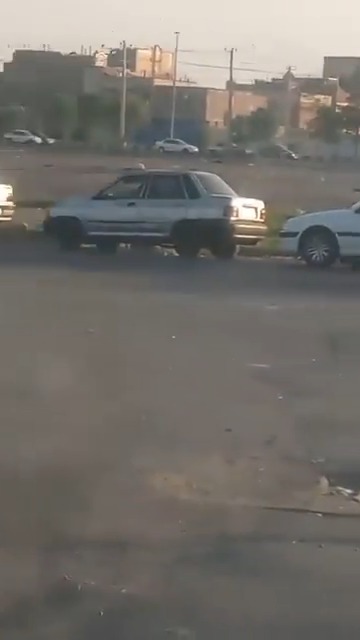
در برخی مناطق نیز شهروندان بارها از صفهای طولانی برای دریافت سوخت و مشکلات دسترسی به برخی خدمات عمومی گلایه کردهاند؛ موضوعی که برای بسیاری از مردم در کشوری با منابع گسترده نفت و گاز پرسشبرانگیز است
طی سالهای گذشته نیز توافقها و پروژههای اقتصادی متعددی با مشارکت سرمایهگذاران خارجی مطرح شدهاند، اما بسیاری از شهروندان همچنان منتظر مشاهده آثار ملموس این طرحها در زندگی روزمره خود هستند
بسیاری از خانوادهها امیدوارند درآمدهای حاصل از تجارت، انرژی و سرمایهگذاریهای خارجی به بهبود وضعیت آموزش، خدمات درمانی، ایجاد فرصتهای شغلی، توسعه زیرساختها، تأمین کالاهای اساسی و کاهش محرومیت در مناطق کمتر توسعهیافته منجر شود
بسیاری بر این باورند که موفقیت هر توافق اقتصادی نه با تعداد قراردادها و حجم سرمایهگذاری، بلکه با میزان تأثیر آن بر زندگی مردم سنجیده میشود
مردم بیش از هر چیز خواهان اشتغال پایدار، ثبات اقتصادی، دسترسی آسان به خدمات درمانی، آموزش باکیفیت و آیندهای مطمئن برای فرزندان خود هستند
توسعه زمانی معنا پیدا میکند که نتایج آن در زندگی روزمره شهروندان، در مدارس، بیمارستانها، زیرساختهای عمومی و سفره خانوادهها دیده شود
پیشرفت واقعی زمانی محقق میشود که هیچ خانوادهای نگران نان روزانه، دسترسی به سوخت، درمان بیماران، آموزش فرزندان و آینده خود نباشد
ENForeign Investment and the Demand for Better LivelihoodsRead in English
Rozhn TV | Sunday, June 14, 2026
Some Indian media outlets have reported that if tensions between Tehran and Washington ease, new opportunities will emerge for expanding economic cooperation between Iran and India.
These reports cite energy, regional trade and the port of Chabahar as areas with potential for cooperation and investment.
However, many citizens in different parts of Iran continue to face economic and livelihood problems. Rising living costs, unemployment, declining purchasing power and difficulty accessing some basic goods and services are among the challenges confronting many families.
In some areas, citizens have also repeatedly complained about long queues for fuel and problems accessing certain public services, an issue that many people find puzzling in a country with vast oil and gas resources.
Over the past years, numerous agreements and economic projects involving foreign investors have been announced, but many citizens are still waiting to see tangible effects of these plans in their daily lives.
Many families hope that revenues from trade, energy and foreign investment will lead to better education and healthcare, the creation of jobs, the development of infrastructure, the supply of basic goods and a reduction of deprivation in less developed regions.
Many believe that the success of any economic agreement should be measured not by the number of contracts or the volume of investment, but by its impact on people’s lives.
Above all, people want stable employment, economic stability, easy access to healthcare, quality education and a secure future for their children.
Development becomes meaningful when its results are visible in citizens’ daily lives, in schools, hospitals, public infrastructure and on family tables.
Real progress is achieved when no family has to worry about daily bread, access to fuel, treatment for the sick, their children’s education and their own future.