
خون بر سرزمینِ مادریِ قدیر
تلویزیون رُژن | چهارشنبه ۲۱ مرداد ۱۴۰۵ | ۱۲ اوت ۲۰۲۶
یادداشت مهمان | عزیز سنگھور
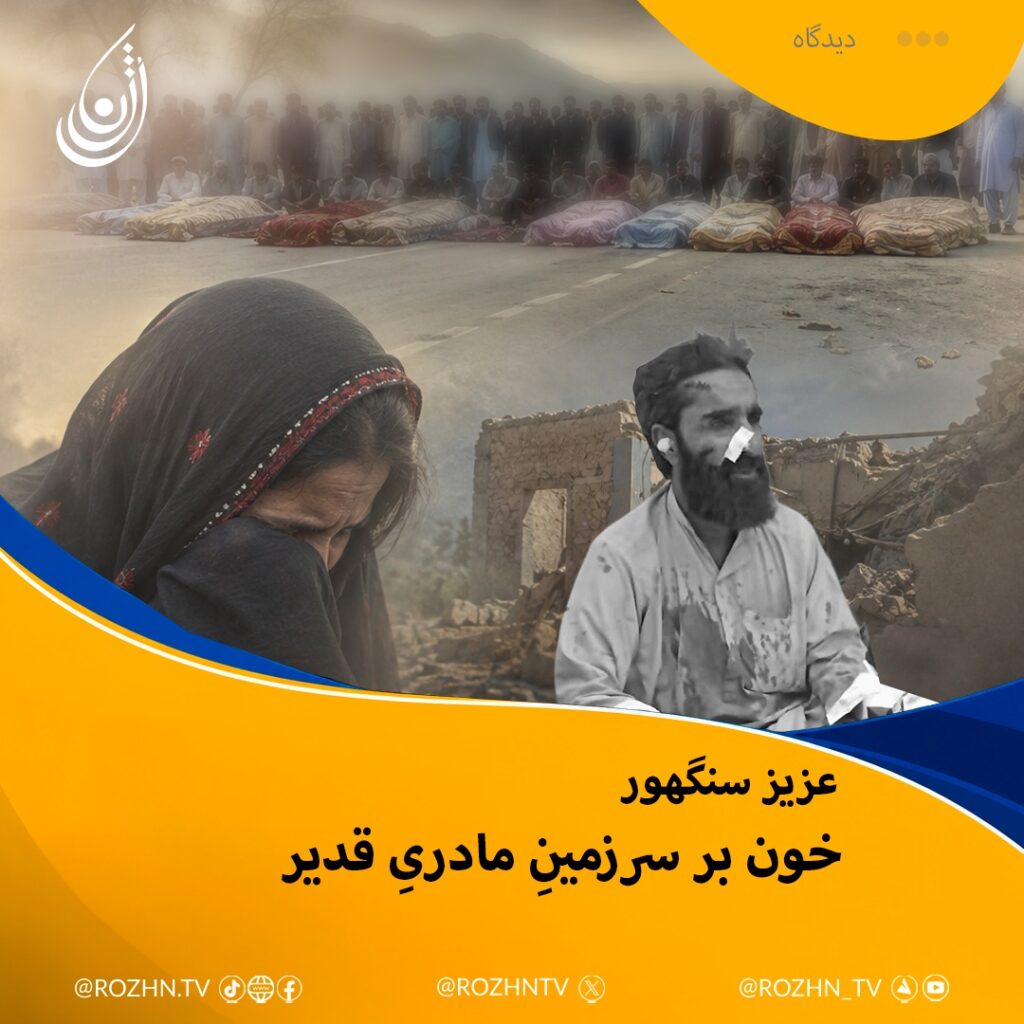
بر اساس گزارشهای محلی، آنچه بهعنوان بمباران هوایی شب گذشته در منطقه گَدر، در محل گوندان از توابع شهرستان سوراب بلوچستان توصیف شده، بار دیگر فاجعه انسانی بلوچستان را در کانون توجه قرار داده است. بر اساس همین گزارشها، در پی آنچه بمباران جنگندهها عنوان شده، بیش از بیست نفر جان باخته و شمار زیادی نیز زخمی شدهاند.
نگرانکنندهترین مسئله در چنین حوادثی این است که گزارشهایی از محدودیت دسترسی رسانههای مستقل، نهادهای حقوق بشری و ناظران بیطرف به مناطق آسیبدیده وجود دارد؛ از همین رو، روشن شدن ابعاد واقعی حادثه و مشخص شدن شمار دقیق قربانیان زمان میبرد.
پس از آنچه منابع محلی عملیات هوایی در گَدرِ گوندانِ سوراب توصیف کردهاند، وضعیت زمانی بحرانیتر شد که خانوادههای قربانیان، پیکر عزیزان خود را در میدان اصلی سوراب و بر جاده ملی کویته ـ کراچی، N-25، قرار داده و دست به تحصن و اعتراض زدند.
قرار دادن پیکر عزیزان بر جاده برای هیچ خانوادهای تصمیم آسانی نیست. این لحظهای است که پدری در کنار پیکر فرزندش، مادری در کنار جگرگوشهاش، خواهری در کنار برادرش و همسری در کنار پیکر شوهرش فریاد عدالت سر میدهد.
مطالبات خانوادههای معترض تنها به این محدود نمیشود که مسئولان درباره مرگ عزیزانشان تحقیق کنند؛ آنان میخواهند بدانند جرم عزیزانشان چه بوده و به چه دلیل جان خود را از دست دادهاند. اگر این افراد شهروندان عادی بودهاند، مسئولیت از دست رفتن جان آنان بر عهده چه کسی است؟
مسئله حقوق بشر در بلوچستان موضوع تازهای نیست. این منطقه دهههاست با ناآرامی سیاسی، گزارشهای مربوط به ناپدیدشدنهای اجباری، عملیاتهای امنیتی، ناامنی و فقر دستوپنجه نرم میکند. در چنین شرایطی، هر مرگ تازه زخمی قدیمی را عمیقتر میکند. بزرگترین شکایت مردم مناطق دورافتاده بلوچستان این است که صدای آنان آنگونه که باید به سطح ملی نمیرسد.
در اینجا نقش رسانههای پاکستان نیز اهمیت ویژهای پیدا میکند. رسانه آزاد در هیچ کشوری تنها به معنای پخش بیانیههای دولت نیست. آزمون واقعی روزنامهنگاری زمانی است که پرسیدن سؤال دشوار باشد. هنگامی که یک فاجعه انسانی بزرگ در بلوچستان رخ میدهد، رسانههای ملی باید صدای مردم آسیبدیده را نیز منعکس کنند، دیدگاه دولت و نهادهای امنیتی را منتشر کنند و در عین حال، تناقضهای موجود میان روایتهای مختلف را نیز روشن سازند.
ENBlood on Qadir’s MotherlandRead in English
Rozhn TV | Wednesday, August 12, 2026
Guest Column | Aziz Sanghur
According to local reports, what has been described as an aerial bombardment last night in the Gedar area, at the Gondan site in Surab County, Balochistan, has once again put Balochistan’s human tragedy in the spotlight. According to the same reports, more than twenty people were killed and many others wounded in what was described as bombing by fighter jets.
The most worrying aspect of such incidents is that there are reports of restricted access for independent media, human rights bodies and impartial observers to the affected areas; for this reason, it takes time to clarify the true scale of the incident and establish the exact number of victims.
After what local sources described as an aerial operation in Gedar-e Gondan in Surab, the situation became more critical when the victims’ families placed the bodies of their loved ones in the main square of Surab and on the Quetta–Karachi national highway, N-25, and began a sit-in and protest.
Placing the bodies of loved ones on a road is not an easy decision for any family. This is a moment when a father beside his child’s body, a mother beside her beloved son, a sister beside her brother and a wife beside her husband’s body cry out for justice.
The demands of the protesting families are not limited to officials investigating the deaths of their loved ones; they want to know what their loved ones’ crime was and why they lost their lives. If these people were ordinary citizens, who bears responsibility for the loss of their lives?
The human rights issue in Balochistan is not new. For decades this region has struggled with political unrest, reports of enforced disappearances, security operations, insecurity and poverty. In such circumstances, every new death deepens an old wound. The biggest complaint of people in Balochistan’s remote areas is that their voice does not reach the national level as it should.
Here the role of Pakistan’s media also takes on special importance. A free press in any country does not mean merely broadcasting government statements. The real test of journalism comes when asking questions is difficult. When a major human tragedy occurs in Balochistan, the national media must also reflect the voices of the affected people, publish the views of the government and security institutions, and at the same time clarify the contradictions among the different accounts.



