خرمای ایرانشهر؛ تنوع بومی و ظرفیت اقتصادی برای باغداران بلوچستان
تلویزیون رُژن / یکشنبه ۲۲ شهریور ۱۴۰۵ | ۱۳ سپتامبر ۲۰۲۶
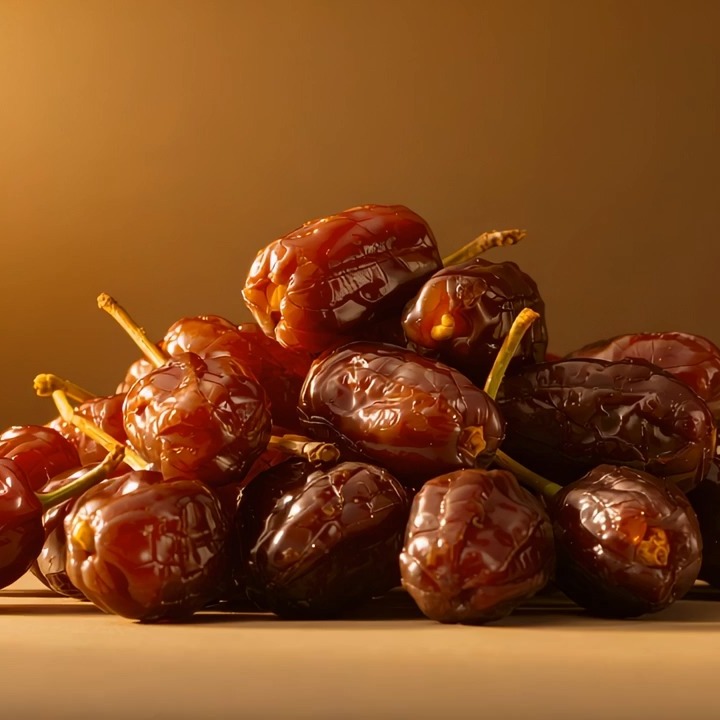
نخلستانهای ایرانشهر از مهمترین ظرفیتهای کشاورزی بلوچستان به شمار میروند و بر اساس اطلاعات منتشرشده بیش از ۱۵ رقم خرما در این شهرستان تولید میشود که ربی مضافتی و زاهدی از ارقام شناختهشده و پرمحصول منطقه هستند
میانگین برداشت خرما در باغهای ایرانشهر حدود ۶۵۰۰ تا ۷۵۰۰ کیلوگرم در هر هکتار اعلام شده است رقمی که نشاندهنده ظرفیت قابل توجه نخلستانهای منطقه برای تأمین درآمد باغداران و خانوادههای محلی است
در سالهای اخیر امکانات نگهداری بستهبندی و سردخانهای نیز در منطقه گسترش یافته و طبق آمار منتشرشده ۲۱ واحد با ظرفیت مجموع حدود ۷۰ هزار تن فعالیت دارند وجود چنین زیرساختهایی میتواند به کاهش ضایعات نگهداری طولانیتر محصول و دسترسی بهتر باغداران به بازار کمک کند
علاوه بر ارقام سنتی کشت ارقامی مانند مجول و بارم نیز در بخشهایی از ایرانشهر توسعه یافته است و این تنوع میتواند فرصتهای تازهای برای فرآوری بستهبندی و فروش محصولات محلی ایجاد کند
نخلستانهای ایرانشهر تنها یک فعالیت کشاورزی نیستند بلکه بخشی از زندگی معیشت و چهره طبیعی بلوچستاناند و توسعه زنجیره تولید و فروش خرما در صورتی که منافع آن مستقیماً به باغداران و تولیدکنندگان محلی برسد میتواند به ایجاد اشتغال و تقویت اقتصاد خانوادههای منطقه کمک کند
آمار و ارقام این گزارش بر پایه اطلاعات منتشرشده تنظیم شده و تلویزیون رُژن آنها را بهطور مستقل تأیید نکرده است
ENIranshahr Dates: Native Diversity and Economic Potential for Balochistan’s Orchard OwnersRead in English
Rozhn TV | Sunday, September 13, 2026
Iranshahr’s date palm groves are among the most important agricultural assets of Balochistan, and according to published information, more than 15 date varieties are produced in the county, of which Rabi, Mozafati and Zahedi are well-known, high-yielding varieties of the region.
The average date harvest in Iranshahr’s orchards has been reported at about 6,500 to 7,500 kilograms per hectare, a figure that indicates the considerable capacity of the region’s palm groves to provide income for orchard owners and local families.
In recent years, storage, packaging and cold-storage facilities have also expanded in the region, and according to published statistics, 21 units with a combined capacity of about 70,000 tons are operating. Such infrastructure can help reduce waste, allow the crop to be stored for longer and improve orchard owners’ access to the market.
In addition to traditional varieties, varieties such as Majool and Barem have also been developed in parts of Iranshahr, and this diversity can create new opportunities for processing, packaging and selling local products.
Iranshahr’s palm groves are not merely an agricultural activity but part of the life, livelihood and natural landscape of Balochistan, and if the benefits of developing the date production and sales chain reach orchard owners and local producers directly, it can help create jobs and strengthen the economy of the region’s families.
The figures and statistics in this report are based on published information, and Rozhn TV has not independently verified them.