سخنان محامی درباره حوزهها؛ موضع او درباره معیشت و اعدامها چیست؟
تلویزیون رُژن / یکشنبه ۲۲ شهریور ۱۴۰۵ | ۱۳ سپتامبر ۲۰۲۶
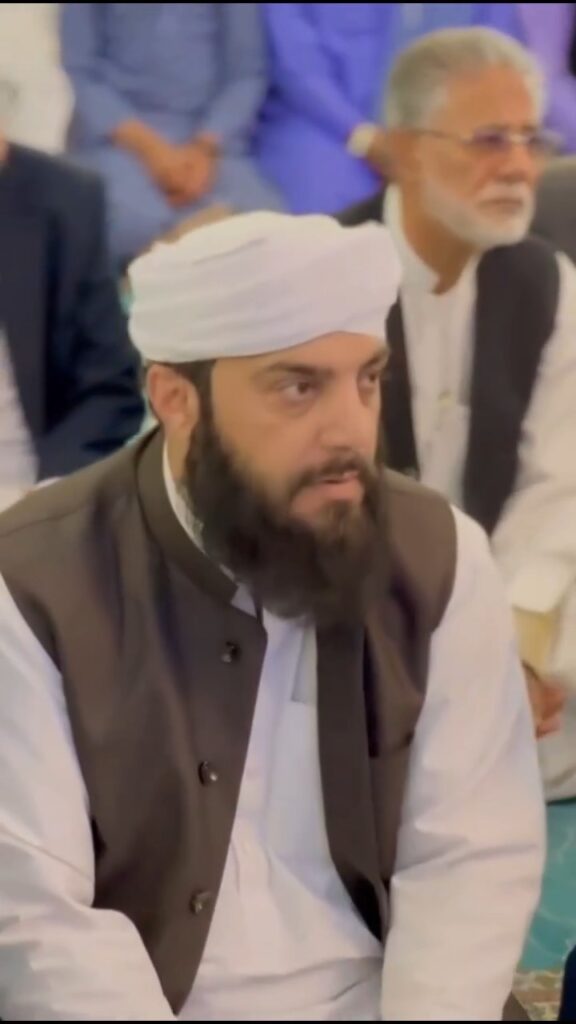
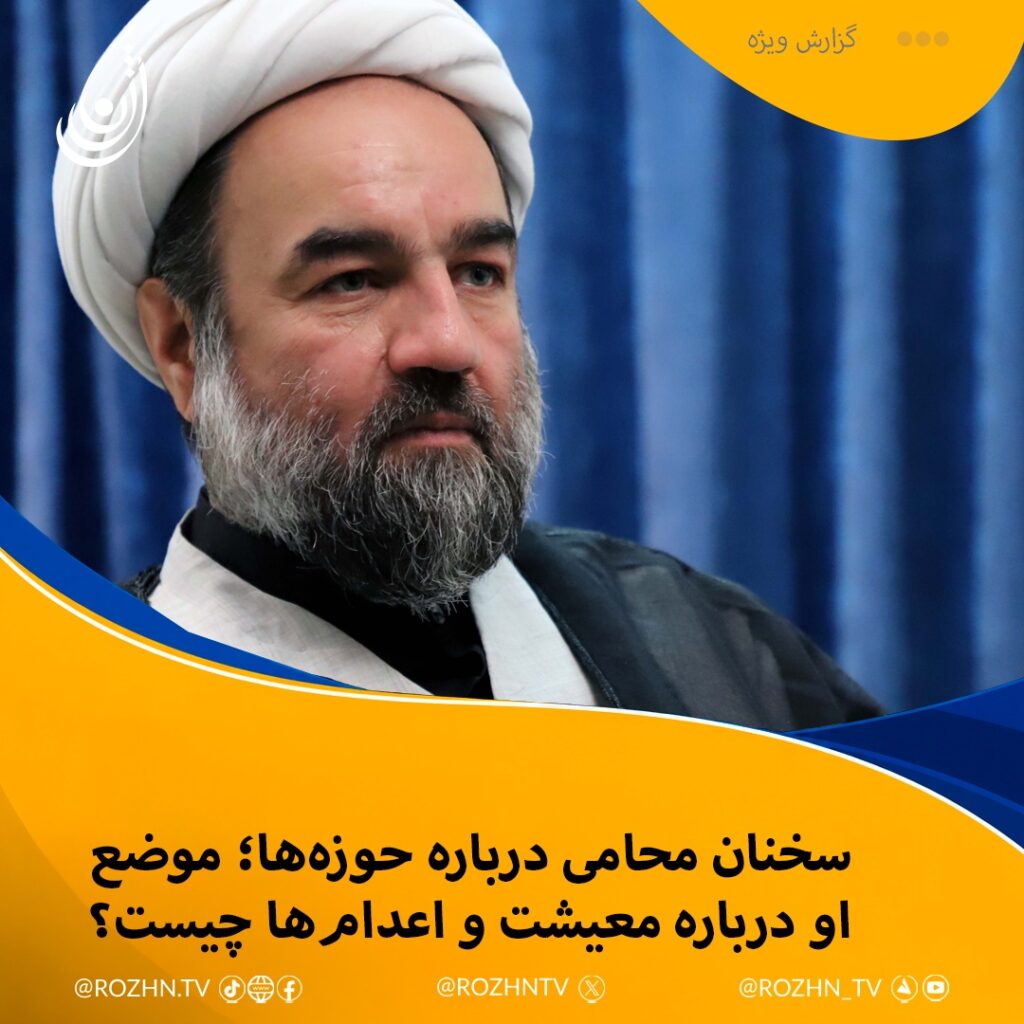
مصطفی محامی نماینده ولیفقیه در سیستان و بلوچستان و امام جمعه زاهدان در مراسم آغاز سال تحصیلی یک مرکز حوزوی بر تقویت آموزش دینی نقش اجتماعی طلاب و ادامه مسیر مورد تأکید رهبر پیشین جمهوری اسلامی تأکید کرده است
او همچنین به مشکلات مالی طلاب اشاره کرده و از آنان خواسته است با وجود دشواریهای اقتصادی بر تحصیل و فعالیت علمی خود تمرکز کنند
با این حال در سخنان منتشرشده برنامه مشخصی درباره شماری از مسائل روزمره مردم سیستان و بلوچستان از جمله اشتغال بحران آب وضعیت مدارس خدمات درمانی راهها کشاورزی فقر و حمایت از کسبوکارهای محلی مطرح نشده است
همزمان در روزهای اخیر گزارشهایی از اجرای احکام اعدام شماری از زندانیان بلوچ در زندانهای مختلف ایران منتشر شده است موضوعی که نگرانیهایی درباره وضعیت زندانیان روند دادرسی دسترسی به وکیل و شرایط خانوادههای آنان ایجاد کرده است
در چنین شرایطی این پرسش مطرح است که نماینده ولیفقیه در سیستان و بلوچستان درباره گزارشهای مربوط به اجرای این احکام و نگرانی خانوادههای زندانیان چه موضعی دارد و آیا برای طرح یا پیگیری این نگرانیها اقدامی انجام داده یا خواهد داد
این پرسش نیز باقی است که در کنار مسائل حوزوی چه برنامهها و راهکارهایی برای مشکلات معیشتی و زیرساختی مردم استان از جمله آب اشتغال آموزش درمان و توسعه اقتصادی مطرح خواهد شد
طرح این پرسشها به معنای انتساب مسئولیت قضایی یا اجرایی اعدامها به مصطفی محامی نیست بلکه در چارچوب وظیفه رسانه برای پرسش از مسئولان درباره مسائل و نگرانیهای عمومی جامعه مطرح میشود
ENMohami’s Remarks on the Seminaries; What Is His Position on Livelihoods and Executions?Read in English
Rozhn TV | Sunday, September 13, 2026
Mostafa Mohami, the representative of the Supreme Leader in Sistan and Baluchestan and the Friday prayer leader of Zahedan, stressed at the start-of-year ceremony of a seminary centre the strengthening of religious education, the social role of seminary students and the continuation of the path emphasised by the former leader of the Islamic Republic.
He also pointed to the financial problems of seminary students and asked them to focus on their studies and scholarly activity despite economic hardships.
However, in the published remarks, no specific plan was presented on a number of the everyday issues facing the people of Sistan and Baluchestan, including employment, the water crisis, the state of schools, medical services, roads, agriculture, poverty and support for local businesses.
At the same time, reports have been published in recent days of the executions of a number of Baloch prisoners in various Iranian prisons, a matter that has raised concerns about the situation of prisoners, the trial process, access to a lawyer and the conditions of their families.
Under these circumstances, the question arises as to what position the representative of the Supreme Leader in Sistan and Baluchestan takes on the reports of these executions and the concerns of prisoners’ families, and whether he has taken or will take any action to raise or follow up on these concerns.
The question also remains what programmes and solutions will be put forward, alongside seminary matters, for the people’s livelihood and infrastructure problems in the province, including water, employment, education, health care and economic development.
Raising these questions does not mean attributing judicial or executive responsibility for the executions to Mostafa Mohami; rather, they are raised within the framework of the media’s duty to question officials about society’s issues and public concerns.