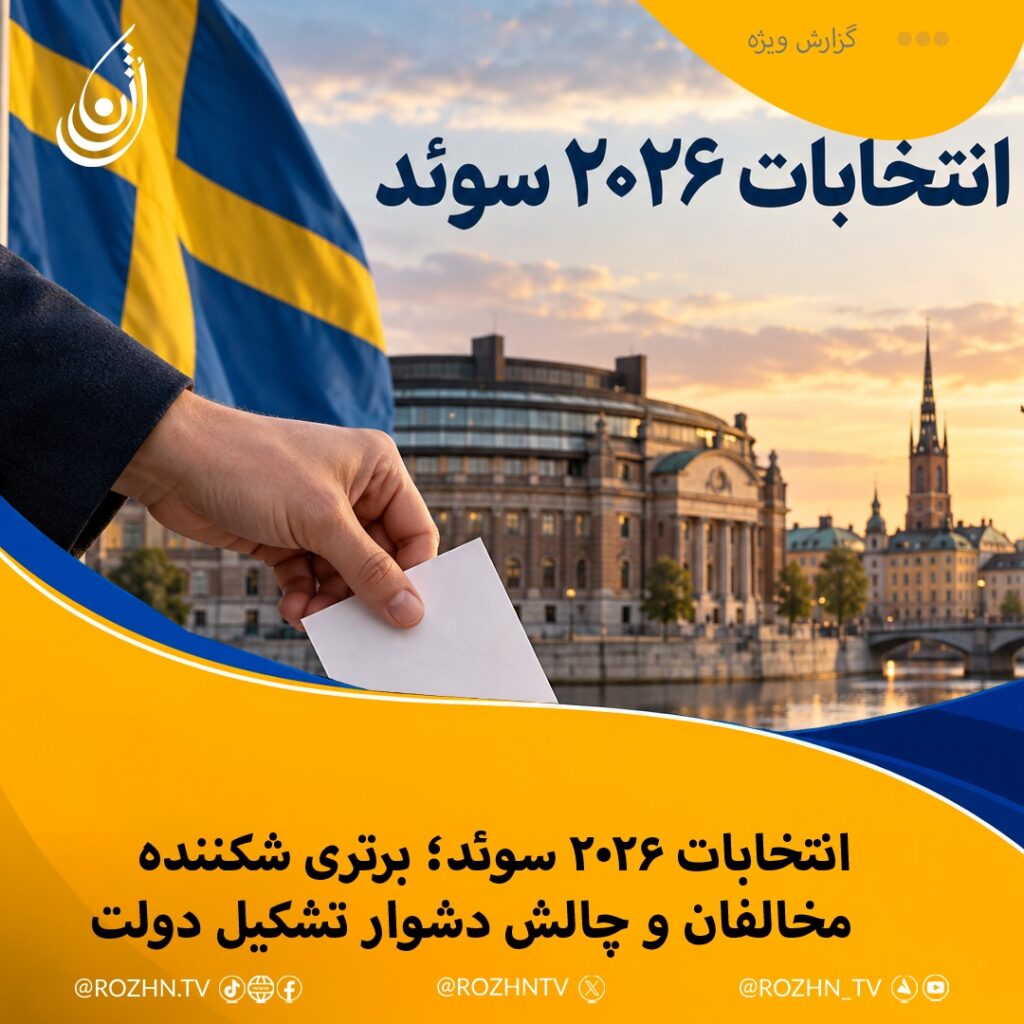
انتخابات ۲۰۲۶ سوئد؛ برتری شکننده مخالفان و چالش دشوار تشکیل دولت
تلویزیون رُژن / سهشنبه ۲۴ شهریور ۱۴۰۵ | ۱۵ سپتامبر ۲۰۲۶
نتایج اولیه انتخابات پارلمانی سوئد نشان میدهد چهار حزب مخالف دولت شامل سوسیالدموکراتها حزب چپ حزب سبزها و حزب مرکز در مجموع به ۱۷۶ کرسی رسیدهاند در حالی که چهار حزب موسوم به بلوک تیدو شامل میانهروها دموکراتهای سوئد دموکراتمسیحیها و لیبرالها ۱۷۳ کرسی به دست آوردهاند این اختلاف تنها سه کرسی است و نتیجه نهایی هنوز قطعی نشده است
در میان احزاب سوسیالدموکراتها به رهبری ماگدالنا آندرشون با حدود ۲۸ درصد آرا و ۱۰۰ کرسی همچنان بزرگترین حزب سوئد است حزب میانهرو به رهبری اولف کریسترسون حدود ۲۰ درصد آرا و ۷۰ کرسی گرفته و دموکراتهای سوئد با حدود ۱۷٫۵ درصد آرا و ۶۲ کرسی در جایگاه سوم قرار گرفتهاند
یکی از مهمترین تغییرات این انتخابات کاهش حمایت از دموکراتهای سوئد است حزبی که طی چهار سال گذشته بدون حضور مستقیم در دولت تأثیر قابل توجهی بر سیاستهای مهاجرتی و امنیتی دولت داشته است بر اساس نتایج فعلی این حزب نسبت به انتخابات گذشته بخشی از کرسیهای خود را از دست داده است
با این حال برتری مخالفان به معنای تشکیل آسان دولت جدید نیست ماگدالنا آندرشون برای دستیابی به اکثریت به حمایت همزمان حزب مرکز و حزب چپ نیاز دارد در حالی که حزب مرکز اعلام کرده حاضر نیست در دولتی مشترک با حزب چپ حضور داشته باشد اختلاف بر سر مالیات سیاست اقتصادی انرژی و شکل دولت میتواند مذاکرات را پیچیده کند
در صورت حفظ نتیجه فعلی احتمال بازگشت ماگدالنا آندرشون به نخستوزیری افزایش یافته است اما نظام پارلمانی سوئد به این معناست که نخستوزیر باید بتواند از رأی منفی اکثریت پارلمان جلوگیری کند و بنابراین مذاکرات میان احزاب پس از انتخابات میتواند تعیینکنندهتر از اختلاف چند کرسی میان دو بلوک باشد
در حوزه مهاجرت نیز تغییر دولت لزوماً به معنای بازگشت به سیاستهای بازتر سالهای گذشته نخواهد بود سوسیالدموکراتها در سالهای اخیر موضع سختگیرانهتری در زمینه مهاجرت اتخاذ کردهاند و تحلیلها نشان میدهد بخش مهمی از سیاست محدودکننده مهاجرت در سوئد احتمالاً ادامه خواهد یافت هرچند لحن و برخی جزئیات سیاستها ممکن است تغییر کند
در سیاست خارجی نیز تغییر احتمالی دولت بعید است مسیر کلی سوئد در حمایت از اوکراین همکاری با ناتو و جهتگیری غربی این کشور را به شکل اساسی تغییر دهد
در مجموع انتخابات ۲۰۲۶ بیش از آنکه یک پیروزی قاطع برای یکی از دو سوی سیاست سوئد باشد نشاندهنده پارلمانی بسیار نزدیک و متوازن است نتیجه نهایی هنوز اعلام نشده و شمارش نهایی آرا از جمله آرای دیررس و سایر آرای باقیمانده ادامه دارد و اداره انتخابات سوئد اعلام کرده نتیجه نهایی پارلمان در پایان هفته پس از انتخابات مشخص خواهد شد
ENSweden’s 2026 Election: Fragile Lead for the Opposition and a Difficult Challenge in Forming a GovernmentRead in English
Rozhn TV | Tuesday, September 15, 2026
Preliminary results of Sweden’s parliamentary election show that the four opposition parties, the Social Democrats, the Left Party, the Green Party and the Centre Party, have won a combined 176 seats, while the four parties known as the Tidö bloc, the Moderates, the Sweden Democrats, the Christian Democrats and the Liberals, have won 173 seats. The margin is only three seats, and the final result is not yet settled.
Among the parties, the Social Democrats, led by Magdalena Andersson, remain Sweden’s largest party with about 28 percent of the vote and 100 seats. The Moderate Party, led by Ulf Kristersson, won about 20 percent of the vote and 70 seats, and the Sweden Democrats came third with about 17.5 percent of the vote and 62 seats.
One of the most important changes in this election is the decline in support for the Sweden Democrats, a party that over the past four years, without being directly in government, has had a considerable influence on the government’s immigration and security policies. According to the current results, the party has lost some of its seats compared with the previous election.
However, the opposition’s lead does not mean that forming a new government will be easy. To reach a majority, Magdalena Andersson needs the simultaneous support of the Centre Party and the Left Party, while the Centre Party has said it is not willing to be part of a joint government with the Left Party. Disagreements over taxes, economic policy, energy and the form of the government could complicate negotiations.
If the current result holds, the likelihood of Magdalena Andersson’s return as prime minister has increased. But Sweden’s parliamentary system means that a prime minister must be able to avoid a vote against them by a majority of parliament, and so negotiations among the parties after the election may be more decisive than the difference of a few seats between the two blocs.
On immigration, too, a change of government will not necessarily mean a return to the more open policies of past years. The Social Democrats have taken a tougher position on immigration in recent years, and analyses suggest that an important part of Sweden’s restrictive immigration policy is likely to continue, although the tone and some details of the policies may change.
In foreign policy as well, a possible change of government is unlikely to fundamentally alter Sweden’s overall course of support for Ukraine, cooperation with NATO and its Western orientation.
Overall, rather than a decisive victory for either side of Swedish politics, the 2026 election points to a very close and balanced parliament. The final result has not yet been announced, and the final count of votes, including late votes and other remaining ballots, continues. The Swedish Election Authority has said the final result for parliament will be determined at the end of the week after the election.