بلوچستانگزارش بلند
یک خواهر، دو فاجعه
عزیز سنگھور
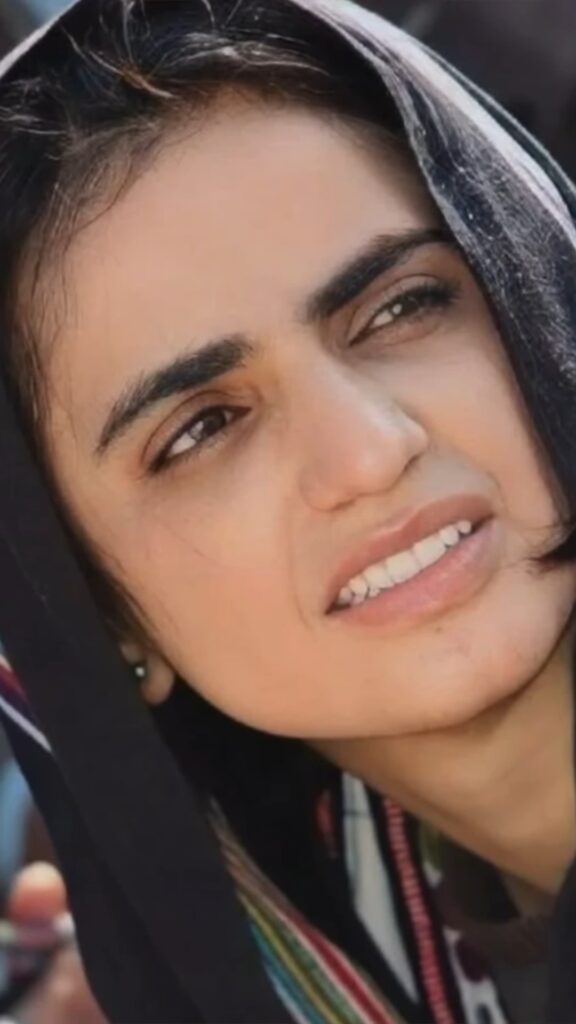
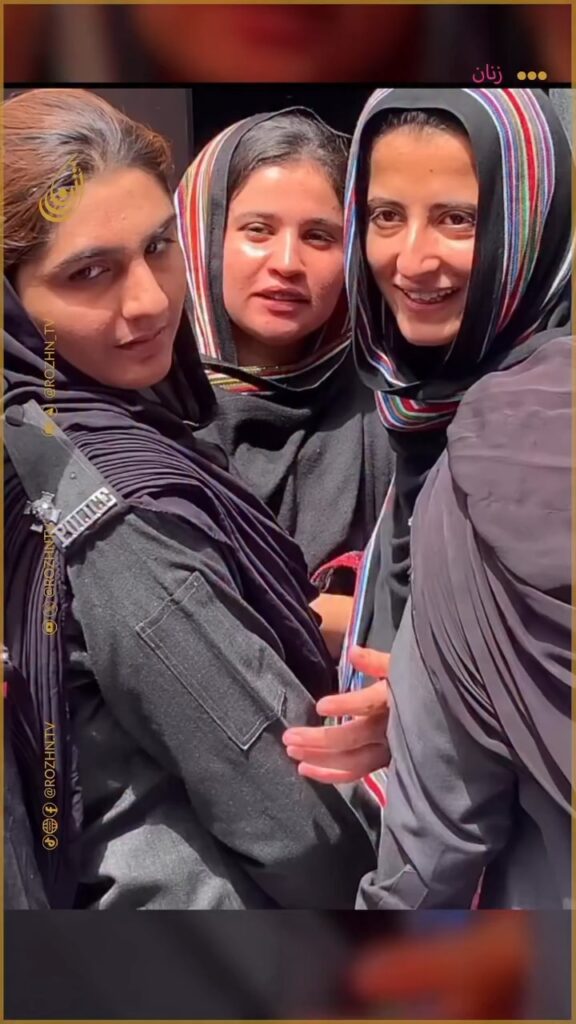
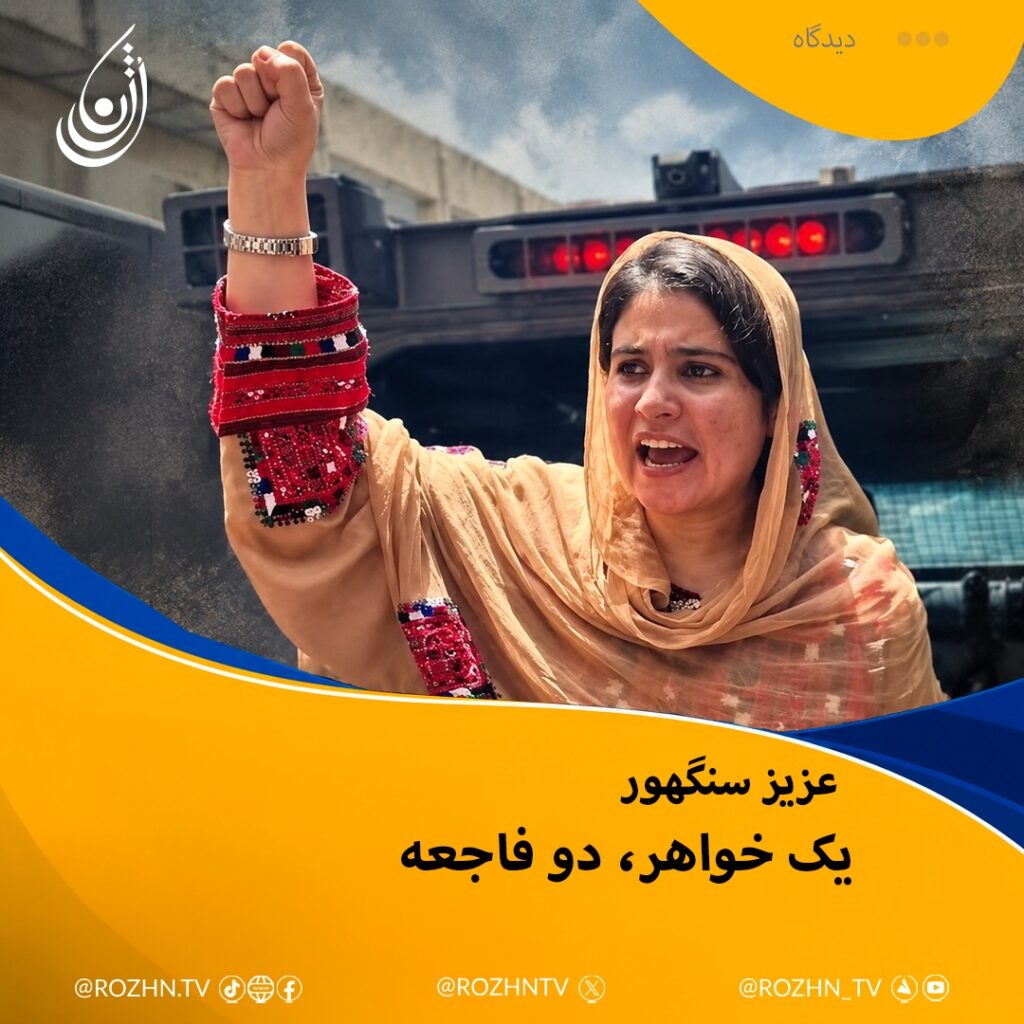
در بلوچستان، حلقه محاصره بر صدای معترضان به ناپدیدسازیهای قهری هر روز تنگتر میشود. گلزادی بلوچ، از اعضای کمیته همبستگی بلوچ به حکم قادر شاه بخاری، قاضی دادگاه اضافی ناحیهای و جلسات کویته، در پرونده شماره ۱۵/۲۲ به حبس ابد محکوم شده است. این حکم پرسشهای مهمی را درباره حقوق بشر، استقلال دستگاه قضایی و آینده مقاومت سیاسی در بلوچستان برانگیخته است.
گلزادی بلوچ اهل منطقه مَچ در بلوچستان است. اهمیت فعالیتهای سیاسی در زندگی او از زمانی افزایش یافت که برادرش، عبدالودود بلوچ، معروف به ودود ساتکزئی، ناپدید شد. تلاش برای یافتن و آزادی برادرش، نقطه آغاز مبارزه او بود. او بعدها در کنار خانوادههای دیگر بلوچهایی که ناپدید شده بودند، صدای اعتراض خود را علیه ناپدیدسازیهای قهری بلند کرد. بدین ترتیب، رنج شخصی یک خواهر به مبارزهای جمعی تبدیل شد.
پیامدهای ناپدیدسازیهای قهری در بلوچستان، تمام اعضای خانواده را در بر میگیرد. مادری چشمانتظار بازگشت پسرش میماند، خواهری با در آغوش گرفتن عکس برادرش درِ نهادهای عدالت را میکوبد و پدری سالها تلاش میکند دریابد که سرانجام چه بر سر فرزندش آمده است. در چنین شرایطی، هنگامی که زنی رنج خانواده خود را به مسئلهای عمومی تبدیل میکند، دیگر تنها نماینده خانه و خانوادهاش نیست، بلکه به صدای جامعهای تبدیل میشود که زخمهایش هنوز التیام نیافتهاند.
داستان ودود ساتکزئی، برادر گلزادی بلوچ، نیز با همین تراژدی پیچیده بلوچستان گره خورده است. بنا بر گزارشهای منتشرشده، حتی پس از آزادی نیز ادعاهایی درباره ادامه فشار و آزار علیه او از سوی نهادهای پاکستانی مطرح شده بود. گزارشها و روایتهای نزدیکان او این شرایط را از عواملی دانستهاند که بر مسیر بعدی زندگیاش تأثیر گذاشت. او بعدها به مبارزه مسلحانه پیوست و در جریان یک عملیات کشته شد. با این حال، سرگذشت این خانواده پرسشی اساسی را مطرح میکند: چه شرایطی باعث میشود یک جوان احساس کند از زندگی عادی جدا افتاده و به سوی مبارزه مسلحانه کشیده شود؟
نگاه کردن به بحران سیاسی بلوچستان صرفاً از دریچه مسئله نظم و امنیت، موجب نادیده ماندن ریشههای اصلی آن میشود. اتهامهای مربوط به ناپدیدسازیهای قهری، بازداشت فعالان سیاسی، بلاتکلیفی طولانیمدت خانوادهها و دشواریهای دستیابی به عدالت، از جمله عواملی هستند که میتوانند به افزایش بیاعتمادی در جامعه منجر شوند. گرایش یک جوان به مبارزه مسلحانه میتواند حاصل مجموعهای پیچیده از عوامل سیاسی، اجتماعی و شخصی باشد. با این حال، اگر جوانان در منطقهای به این احساس برسند که مسیرهای فعالیت سیاسی مسالمتآمیز، پیگیری قانونی مطالبات و زندگی عادی روزبهروز محدودتر میشوند، این وضعیت باید برای هر دو طرف، یعنی دولت و جامعه، مایه نگرانی باشد.
مسئولیت دولت است که فضایی فراهم کند تا در آن، ابراز مخالفت و دیدگاه متفاوت جرم تلقی نشود و هیچکس مجبور نباشد برای دفاع از حقوق خود، آزادیاش را بهای این مطالبهگری بپردازد.
کمیته همبستگی بلوچ در واکنش به حکم حبس ابد گلزادی بلوچ، نگرانیهای جدی خود را ابراز کرده است. به گفته این کمیته، در ۸ سپتامبر ۲۰۲۶ نیز درباره روند رسیدگی قضایی ابراز نگرانی کرده بود. بیوایسی مدعی است که قاضی، پیش از تکمیل رسیدگی به پرونده، در چندین نوبت از فشارهایی سخن گفته و اظهار کرده بود که ممکن است ناگزیر به صدور حکم حبس ابد یا اعدام شود.
این کمیته همچنین به روند رسیدگی در ۷ سپتامبر اعتراض کرده است. به گفته بیوایسی، با وجود اعتصاب قضایی و غیبت وکیل مدافع، دادگاه رسیدگی را ادامه داده و بدون حضور و نمایندگی دفاع، از یکی از شهود بازجویی و پرسشگری کرده است. در صورت صحت این ادعا، این موضوع پرسشی جدی درباره رعایت الزامات اساسی دادرسی عادلانه مطرح میکند.
اصل ۱۰-الف قانون اساسی پاکستان، حق برخورداری از دادرسی عادلانه و محاکمه مطابق با الزامات قانونی را به رسمیت میشناسد. همچنین ماده ۱۴ میثاق بینالمللی حقوق مدنی و سیاسی، حق برخورداری از رسیدگی عادلانه قضایی را به رسمیت میشناسد.
این کمیته، حکم صادرشده علیه گلزادی بلوچ را سومین حکم حبس ابد علیه رهبران بیوایسی طی سه ماه گذشته توصیف کرده و به پروندههای دکتر ماهرنگ بلوچ و صبغتالله شاهجی نیز اشاره کرده است. در چنین شرایطی، مسئولیت دادگاههای تجدیدنظر و نهادهای قانون اساسی برای بررسی مستقل حکم و روند رسیدگی قضایی، بیش از پیش افزایش مییابد.
راه دستیابی به صلح پایدار در بلوچستان، از خاموش کردن صداهای سیاسی نمیگذرد، بلکه از رفع آن شکایتها و نارضایتیهایی میگذرد که نسل به نسل موجب ناآرامی و بیاعتمادی شدهاند. بررسی شفاف و قانونی حکم صادرشده علیه گلزادی بلوچ، نهتنها مسئله حق برخورداری یک زن محکومشده از عدالت است، بلکه به پرسش مهمتری نیز مربوط میشود: چگونه میتوان اعتمادی را احیا کرد که بدون آن، فاصله میان دولت و شهروندان هرگز کاهش نخواهد یافت؟
ENOne Sister, Two TragediesRead in English
Aziz Sanghur
In Balochistan, the circle of repression around voices protesting enforced disappearances tightens by the day. Gulzadi Baloch, a member of the Baloch Yakjehti Committee (BYC), has been sentenced to life imprisonment in case No. 15/22 by order of Qadir Shah Bukhari, judge of the Additional District and Sessions Court in Quetta. The ruling has raised serious questions about human rights, the independence of the judiciary and the future of political resistance in Balochistan.
Gulzadi Baloch is from the Mach area of Balochistan. Political activity took on growing importance in her life after her brother, Abdul Wadood Baloch, known as Wadood Satakzai, disappeared. Her effort to find him and secure his release was the starting point of her struggle. She later raised her voice against enforced disappearances alongside the families of other disappeared Baloch. In this way, one sister’s personal suffering turned into a collective struggle.
The consequences of enforced disappearances in Balochistan reach every member of a family. A mother waits for her son to return, a sister knocks on the doors of justice institutions clutching her brother’s photograph, and a father spends years trying to learn what became of his child. In such circumstances, when a woman turns her family’s suffering into a public issue, she is no longer merely a representative of her own home and family but becomes the voice of a community whose wounds have yet to heal.
The story of Wadood Satakzai, Gulzadi Baloch’s brother, is also entangled in this complex tragedy of Balochistan. According to published reports, even after his release, allegations had been made of continued pressure and harassment against him by Pakistani institutions. Reports and accounts from people close to him have cited these conditions as among the factors that affected the later course of his life. He later joined the armed struggle and was killed in an operation. Even so, the family’s story raises a fundamental question: what conditions make a young man feel cut off from ordinary life and drawn toward armed struggle?
Looking at Balochistan’s political crisis solely through the lens of law and order means overlooking its root causes. Allegations of enforced disappearances, the detention of political activists, the prolonged uncertainty of families and the difficulty of obtaining justice are among the factors that can deepen mistrust in society. A young person’s turn to armed struggle can be the product of a complex mix of political, social and personal factors. Even so, if young people in a region come to feel that avenues for peaceful political activity, legal pursuit of their demands and ordinary life are narrowing day by day, this situation should be a cause for concern for both sides, the state and society.
It is the state’s responsibility to create an environment in which dissent and differing views are not treated as a crime, and in which no one has to pay with their freedom for demanding their rights.
The Baloch Yakjehti Committee has expressed serious concerns in response to Gulzadi Baloch’s life sentence. According to the committee, it had also voiced concern about the judicial proceedings on September 8, 2026. The BYC claims that, before the case was fully heard, the judge on several occasions spoke of pressure and said he might be compelled to hand down a life sentence or the death penalty.
The committee has also objected to the proceedings of September 7. According to the BYC, despite a judicial strike and the absence of defense counsel, the court continued the hearing and questioned and examined one of the witnesses without the defense being present or represented. If the claim is accurate, it raises a serious question about compliance with the basic requirements of a fair trial.
Article 10-A of Pakistan’s Constitution recognizes the right to a fair trial and due process. Article 14 of the International Covenant on Civil and Political Rights likewise recognizes the right to a fair judicial hearing.
The committee has described the sentence against Gulzadi Baloch as the third life sentence against BYC leaders in the past three months, and has also pointed to the cases of Dr. Mahrang Baloch and Sibghatullah Shahji. In these circumstances, the responsibility of the appellate courts and constitutional bodies to independently review the verdict and the judicial proceedings grows ever greater.
The path to lasting peace in Balochistan does not lie in silencing political voices but in addressing the grievances and discontent that have fueled unrest and mistrust for generations. A transparent, lawful review of the sentence against Gulzadi Baloch is not only a matter of a convicted woman’s right to justice; it also bears on a more important question: how can trust be restored, without which the gap between the state and its citizens will never narrow?