مولوی عبدالحمید: «جمعه خونین زاهدان فراموششدنی نیست»؛ تأکید بر تحقیق بیطرفانه درباره مرگ دکتر حبیبالله سالارزهی
تلویزیون رُژن | جمعه ۳ مهرماه ۱۴۰۵ | ۲۵ سپتامبر ۲۰۲۶
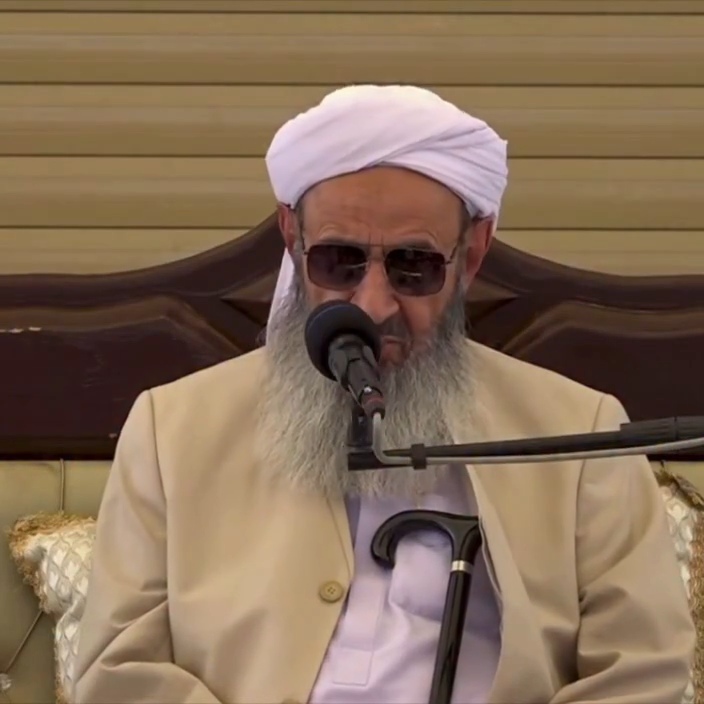
بر اساس گزارش منتشرشده از سوی رسانک، مولوی عبدالحمید اسماعیلزهی، امام جمعه اهلسنت زاهدان، امروز در مراسم نماز جمعه این شهر با اشاره به نزدیک شدن چهارمین سالگرد حوادث موسوم به «جمعه خونین» زاهدان و خاش، از جانباختگان و مجروحان این رویدادها یاد کرد.
مولوی عبدالحمید در سخنان خود، حادثه ۸ مهرماه ۱۴۰۱ در زاهدان را «بسیار دلخراش» توصیف کرد و گفت بسیاری از نمازگزاران جان خود را از دست دادند و شماری نیز مجروح شدند. او همچنین به حادثه ۱۳ آبان همان سال در خاش اشاره کرد.
او با تأکید بر اینکه «حادثۀ جمعه خونین زاهدان فراموششدنی نیست»، برای جانباختگان و آسیبدیدگان این حوادث دعا کرد.
مولوی عبدالحمید در بخش دیگری از سخنان خود به درگذشت دکتر حبیبالله سالارزهی، رئیس پارک علم و فناوری سیستان و بلوچستان، پرداخت و از پرسشها و ابهامهایی که درباره چگونگی مرگ او در میان مردم مطرح شده است سخن گفت.
وی دکتر سالارزهی را شخصیتی علمی، مردمی و متواضع توصیف کرد و گفت که او با وجود آنکه به دنبال مقام و موقعیت نبوده، مسئولیتهایی را که برای خدمت به جامعه برعهده میگرفته با جدیت انجام میداده است.
مولوی عبدالحمید در ادامه بر ضرورت انجام تحقیقات دقیق، مستقل و بیطرفانه درباره این پرونده تأکید کرد و گفت:
«در زمینۀ حادثۀ وفات دکتر سالارزهی شبهاتی وجود دارد که امیدواریم تحقیقاتی که از سوی مسئولان امر در حال انجام است، بیطرفانه و خداپسندانه باشند تا زوایای این حادثه را روشن کرده و به شبهات مردم پاسخ دهند.»
درگذشت دکتر حبیبالله سالارزهی در ۲۸ شهریورماه با پرسشها و واکنشهایی در میان شماری از شهروندان و چهرههای اجتماعی بلوچستان همراه شده است. در عین حال، تعیین علت و چگونگی دقیق مرگ او نیازمند بررسی مستند و اعلام نتایج تحقیقات از سوی مراجع مسئول است.
حوادث زاهدان در ۸ مهرماه ۱۴۰۱ و خاش در ۱۳ آبان همان سال نیز همچنان در حافظه جمعی بسیاری از مردم بلوچستان باقی مانده و خانوادههای آسیبدیده و شهروندان خواستار روشن شدن ابعاد این رویدادها و پاسخگویی درباره آن هستند.
ENMolavi Abdolhamid: “Zahedan’s Bloody Friday Cannot Be Forgotten”; Stresses Impartial Investigation Into the Death of Dr. Habibullah SalarzehiRead in English
Rozhn TV | Friday, September 25, 2026
According to a report published by Rasank, Molavi Abdolhamid Esmaeelzehi, the Sunni Friday prayer leader of Zahedan, today at the Friday prayer ceremony in the city, referring to the approaching fourth anniversary of the events known as the “Bloody Friday” of Zahedan and Khash, remembered those killed and wounded in these events.
In his remarks, Molavi Abdolhamid described the incident of 8 Mehr 1401 (September 30, 2022) in Zahedan as “deeply heartbreaking” and said many worshippers lost their lives and a number were wounded. He also referred to the incident of 13 Aban (November 4, 2022) of the same year in Khash.
Emphasizing that “the incident of Zahedan’s Bloody Friday cannot be forgotten,” he prayed for those killed and affected in these events.
In another part of his remarks, Molavi Abdolhamid addressed the death of Dr. Habibullah Salarzehi, head of the Sistan and Baluchestan Science and Technology Park, and spoke of the questions and ambiguities that have been raised among the public about how he died.
He described Dr. Salarzehi as a scholarly, popular and humble figure and said that although he did not seek rank or position, he carried out with seriousness the responsibilities he took on in order to serve society.
Molavi Abdolhamid went on to stress the need for thorough, independent and impartial investigations into this case, saying: “There are doubts surrounding the incident of Dr. Salarzehi’s death, and we hope the investigations being carried out by the responsible officials will be impartial and God-fearing, so that they clarify the angles of this incident and answer people’s doubts.”
Dr. Habibullah Salarzehi’s death on 28 Shahrivar (September 19) has been accompanied by questions and reactions among a number of citizens and public figures in Balochistan. At the same time, determining the cause and exact circumstances of his death requires documented examination and the announcement of the results of investigations by the responsible authorities.
The events in Zahedan on 8 Mehr 1401 and in Khash on 13 Aban of the same year also remain in the collective memory of many people in Balochistan, and the affected families and citizens are demanding that the dimensions of these events be clarified and that accountability be provided for them.