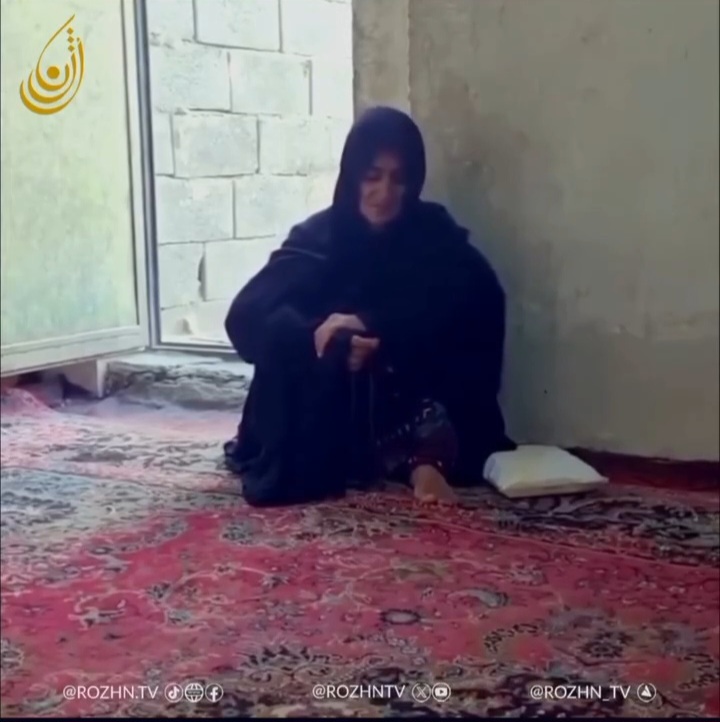
مادر خدانور؛ پس از خدانور
تلویزیون رُژن | سهشنبه ۷ مهرماه ۱۴۰۵ | ۲۹ سپتامبر ۲۰۲۶
نزدیک به چهار سال از جانباختن خدانور لجهای میگذرد؛ جوان بلوچ اهل زاهدان که نام و تصویرش برای بسیاری از مردم به یکی از نمادهای ماندگار اعتراضات بلوچستان تبدیل شد
بر اساس گزارش دیدهبان حقوق بشر، خدانور روز ۹ مهرماه ۱۴۰۱، یک روز پس از «جمعه خونین زاهدان»، در جریان تیراندازی مردان مسلحی که به گفته شاهدان شبیه نیروهای امنیتی بودند، مجروح شد و شامگاه روز بعد در بیمارستانی در زاهدان جان باخت
تصویر خدانور با دستان بسته به میله و ظرف آبی که دور از دسترس او قرار گرفته بود، پس از مرگش بارها در ایران و خارج از ایران بازنشر شد و به تصویری شناختهشده از سرگذشت او تبدیل شد
اما پشت نام خدانور، مادری مانده است که جای خالی فرزندش را هر روز با خود حمل میکند
در برخی گزارشها آمده است که یکی از خواهران خدانور نیز پس از مرگ او بر اثر عارضه قلبی جان باخت؛ روایتی که بیش از هر چیز یادآور تأثیر عمیق از دست دادن یک عضو خانواده بر زندگی نزدیکان اوست
خدانور فقط یک نام در میان فهرست جانباختگان نیست
برای بسیاری، او جوانی است که تصویر نگاه، لبخند، رقص و دستان بستهاش در حافظه مانده است؛ و برای مادرش، پیش از هر چیز، فرزندی است که دیگر به خانه بازنگشت
چهار سال بعد، یاد خدانور همچنان زنده است؛ نه فقط در تصاویر و ویدیوهایی که از او باقی مانده، بلکه در خاطره خانواده و مردمی که نام او را فراموش نکردهاند
یاد خدانور لجهای گرامی و برای مادر داغدارش آرزوی صبر و آرامش داریم
ENKhodanur’s Mother: After KhodanurRead in English
Rozhn TV | Tuesday, September 29, 2026
Nearly four years have passed since the death of Khodanur Lajaei, a young Baloch man from Zahedan whose name and image became, for many people, one of the lasting symbols of the protests in Balochistan. According to a Human Rights Watch report, Khodanur was wounded on October 1, 2022, one day after Zahedan’s Bloody Friday, when armed men who, according to witnesses, resembled security forces opened fire, and he died the following evening at a hospital in Zahedan.
The image of Khodanur with his hands tied to a bar and a bowl of water placed out of his reach was widely republished, in Iran and abroad, after his death and became a well-known image of his fate.
But behind Khodanur’s name there remains a mother who carries her son’s empty place with her every day. Some reports say that one of Khodanur’s sisters also died of a heart condition after his death, an account that, above all, recalls the deep effect that losing a family member has on the lives of those close to them.
Khodanur is not just a name on a list of the dead.
For many, he is a young man whose gaze, smile, dancing and tied hands remain in memory; and for his mother, above all, he is a child who never came home.
Four years on, the memory of Khodanur is still alive, not only in the images and videos left of him, but in the memory of his family and of the people who have not forgotten his name.
We honor the memory of Khodanur Lajaei and wish patience and peace for his grieving mother.