روسیه حکومت طالبان را به رسمیت شناخت
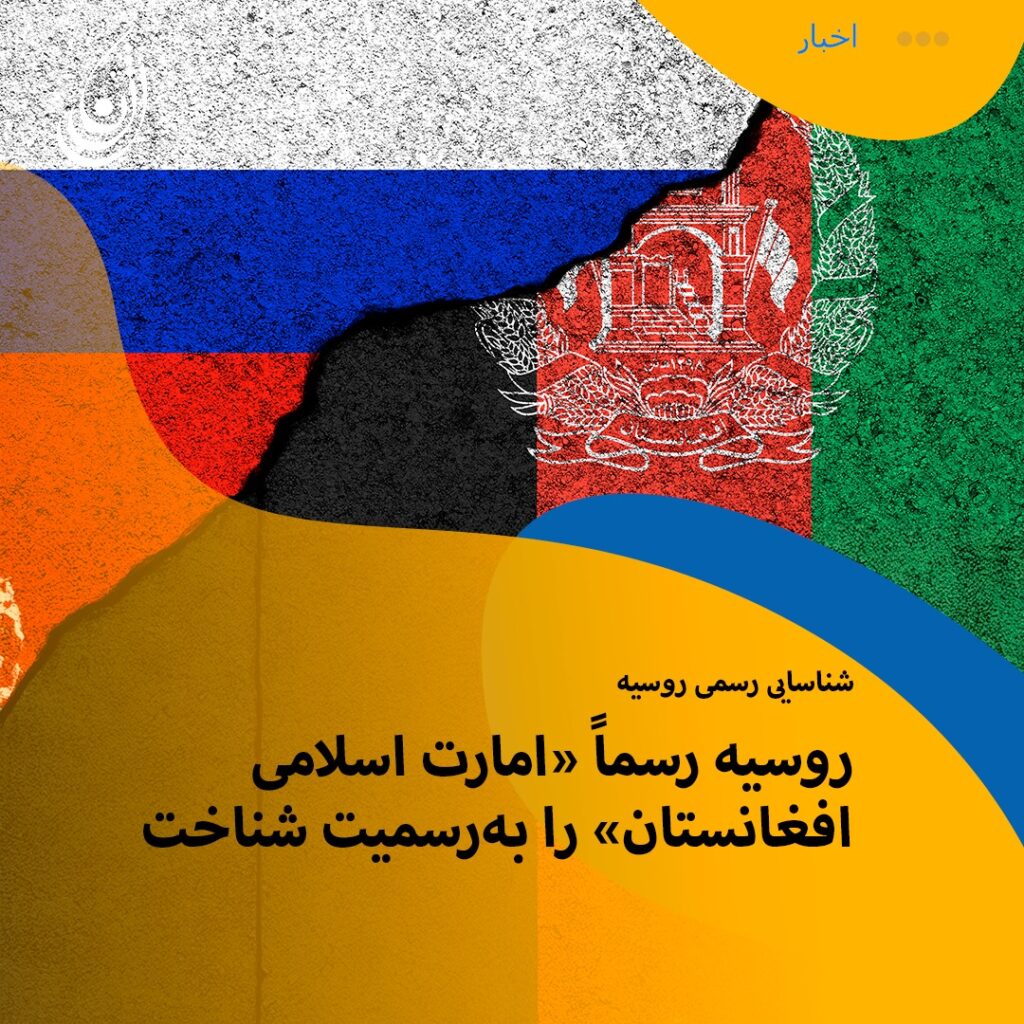
ENRussia Recognizes the Taliban GovernmentRead in English
Tehran – Wednesday, July 2, 2025
The Islamic Republic of Iran has officially suspended its cooperation with the International Atomic Energy Agency (IAEA). The decision took effect on Wednesday with the signing of a formal order by Iranian President Masoud Pezeshkian, a move that brings tensions over Iran’s nuclear program into a new phase.
Under the newly passed law, any international inspection of Iran’s nuclear facilities will from now on be possible only with the prior approval of the Supreme National Security Council, a provision that effectively restricts the access of agency inspectors.
The decision was made in response to the IAEA’s recent resolution, which accused Iran of repeated violations of the Treaty on the Non-Proliferation of Nuclear Weapons (NPT) and of failing to abide by its commitments under the Joint Comprehensive Plan of Action (JCPOA).
The agency has said it has not yet received an official notification from Tehran, but has expressed concern about the consequences of the law for nuclear transparency and the course of diplomatic negotiations.
Masoud Pezeshkian, who came to the presidency promising a more balanced approach to foreign policy, now faces growing pressure from hardline factions in parliament, who have described the recent actions of the agency and the West as “political” and are demanding a decisive response from Tehran.
A Strategic Shift in Nuclear Diplomacy?
Analysts warn that suspending cooperation with the agency could further complicate efforts to revive the JCPOA, the landmark 2015 nuclear agreement from which the United States withdrew in 2018.
While Iran insists that its nuclear program is purely peaceful, critics say that restricting inspections could deepen doubts about the program’s real aims.
The development is likely to trigger fresh debate at the United Nations and among world powers, including the European Union, Russia, China and the United States, countries that are trying to preserve regional stability and prevent the spread of nuclear weapons.