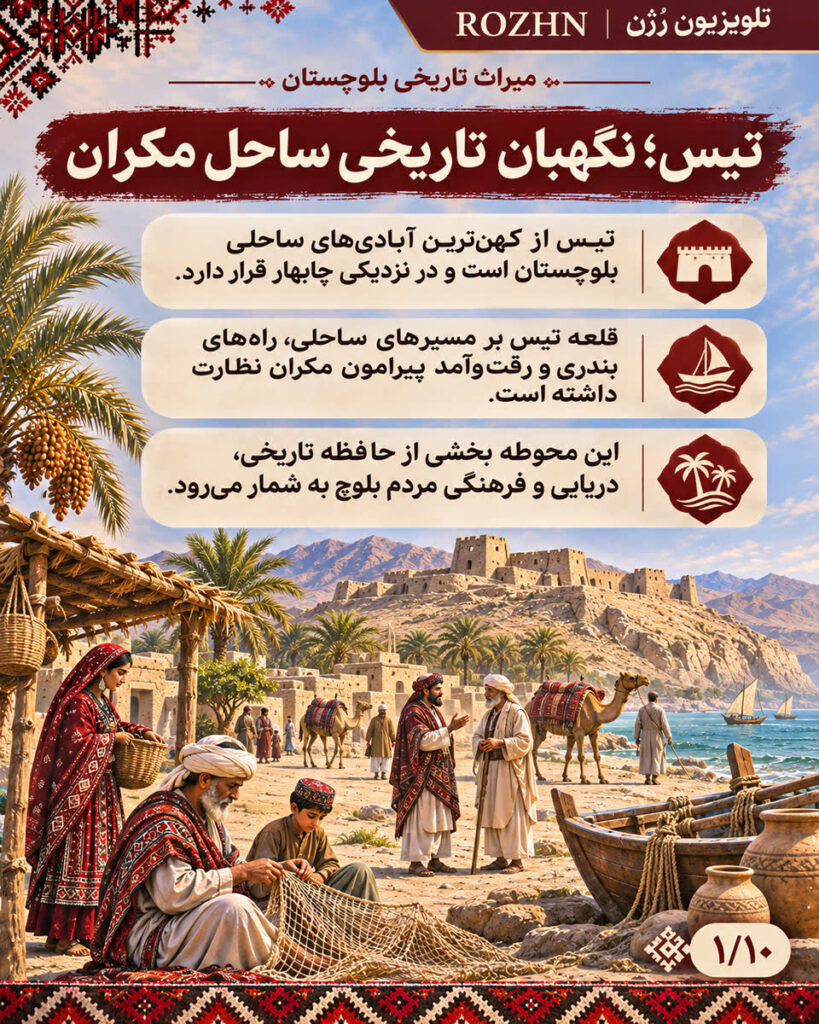
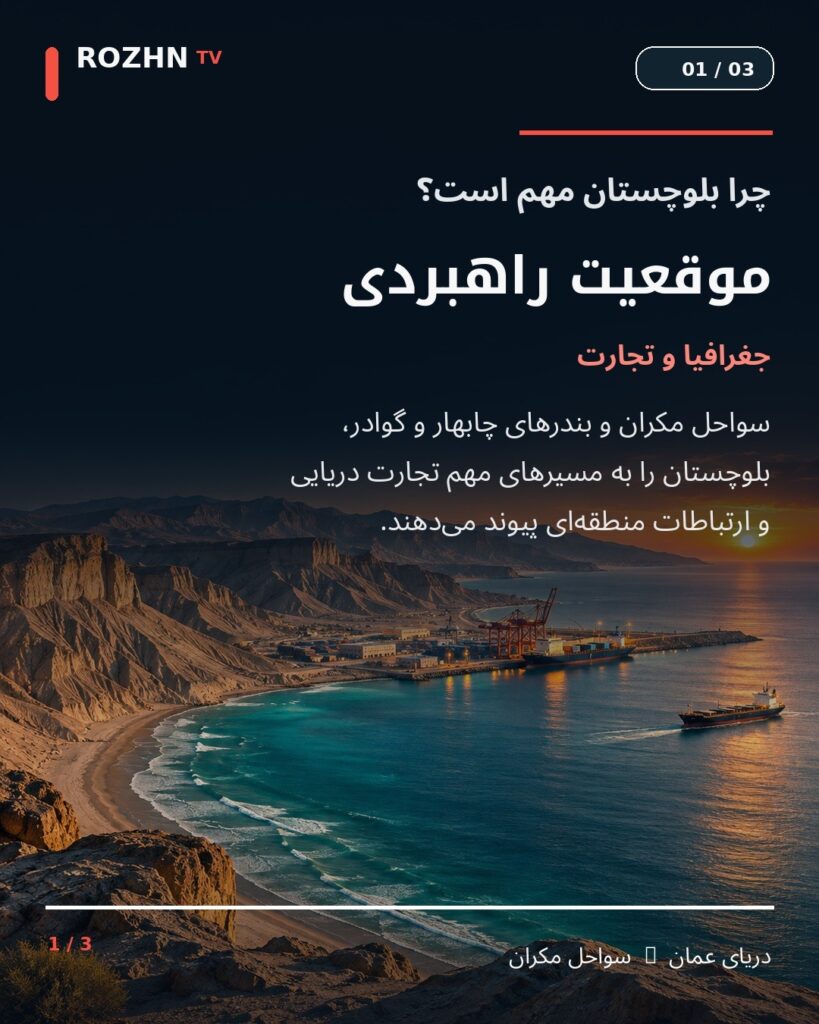
پسنی یادوں کا شہر
ENPasni, City of MemoriesRead in English
Pasni, Balochistan – Thursday, June 12, 2025
A 20-second video clip titled “Jadi Eid in 20 Seconds,” made by Javid Baloch, a journalist from Makran, has drawn social media users’ attention to the cultural identity of the port city of Pasni and has been met with positive reactions.
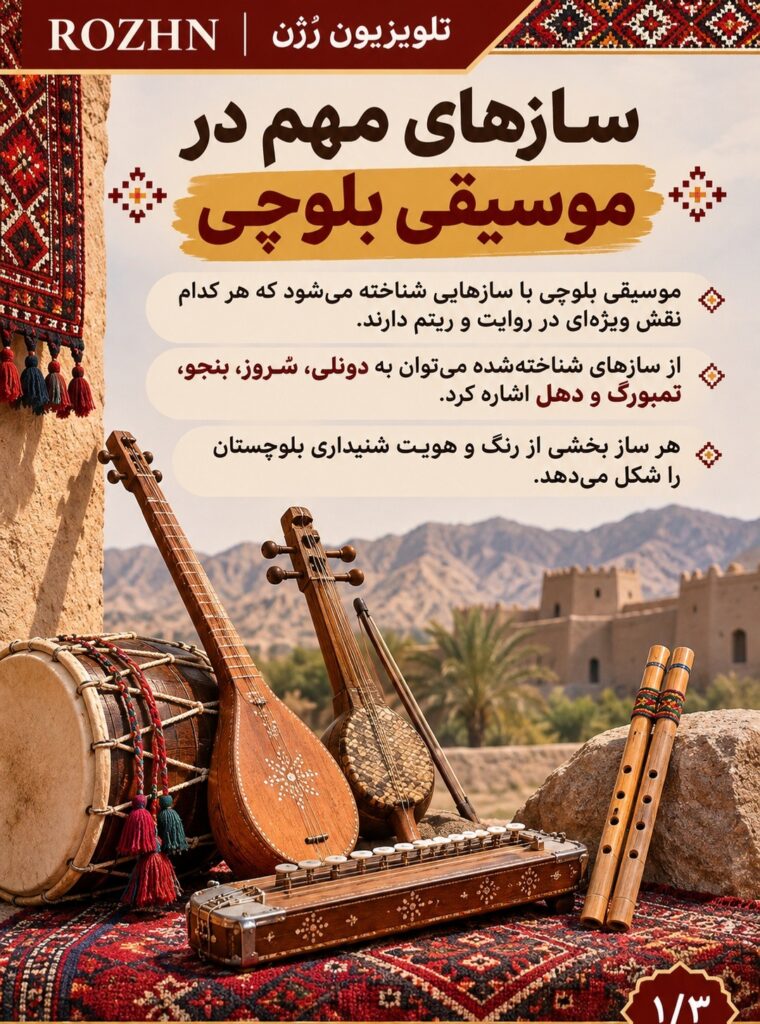
The video, which has been widely shared on social networks, combines local music, poetry, stage performance and traditional dance: cultural elements rooted in Makran’s age-old traditions that play a prominent role in reflecting the social and human concerns of the people of this region.
In an interview, Javid Baloch says: “Pasni is not just a fishing town. It is home to poets, writers, singers and artists who, through the tools of art, narrate the life and struggles of the people.”
He stresses that in Pasni, art is used not merely for entertainment but for social awakening, historical dialogue and conveying human messages. In his view, the coastal sunsets, moonlit nights and the sound of the waves are not just natural scenery; they are settings where poetry, friendship and cultural resistance take shape.
In this visual narrative, Baloch also mentions the city’s cultural figures such as Qazi Mubarak, Akram Sahib Khan and Dr. Saeed Sanghur, people whose works and ideas still run through the everyday life of the people.
With this short clip, Javid Baloch has offered a fresh portrait of Pasni: a city where culture is not merely a heritage but a language for expressing identity, resistance and the bond between generations.