فرهنگ و تاریخ · ویدیو
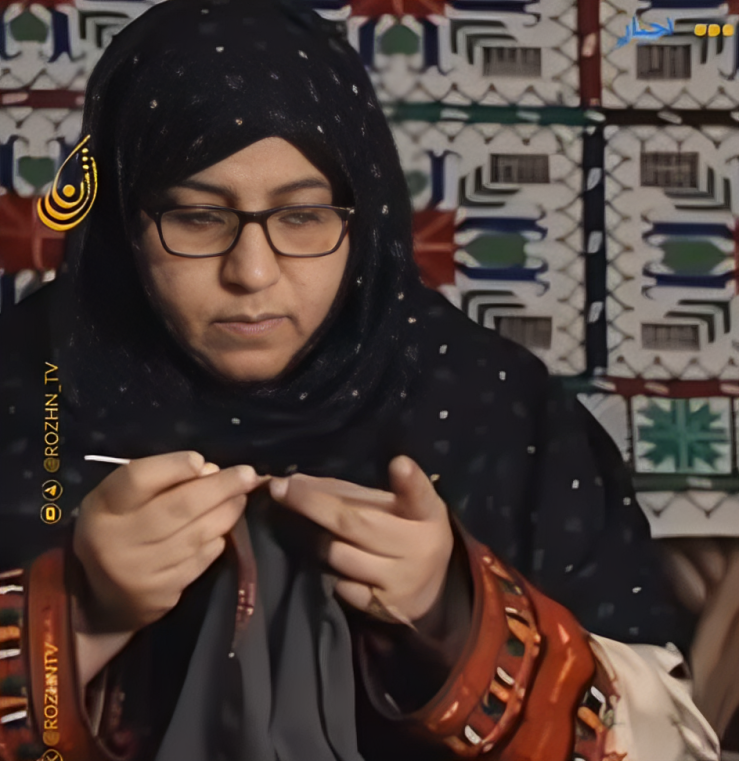
سرقت سازمانیافته سوزندوزی بلوچ؛ هشدار نسبت به حذف فرهنگی در سایه مرکزگرایی
ENOrganized Theft of Baloch Embroidery; Warning of Cultural Erasure Under CentralismRead in English
Monday, June 9, 2025 – Balochistan
Baloch embroidery, an art rooted in centuries of the cultural life of Baloch women and a symbol of this nation’s identity and resistance, has in recent days been falsely labeled and culturally appropriated, and presented under the name of Isfahan province. Many artists and local activists see this as a clear example of centralism and an attempt at identity cleansing within the cultural structure of the Islamic Republic of Iran.
Critics say this behavior is not only a distortion of history but part of the gradual erasure of the identity symbols of non-Persian ethnic groups from the country’s public and official memory. This is particularly so in the case of the Baloch nation, which has always faced neglect from cultural institutions, especially the Cultural Heritage Organization of Balochistan province.
In response to this distortion, cultural activists have called for an official stance from the governorate, the Cultural Heritage Organization and the bodies that support artists. According to them, ignoring the issue paves the way for further appropriations and the complete erasure of the Baloch nation’s cultural and historical roots.
One public reaction reads: “A people who have built no civilization with their own hands cannot become a civilization by stealing the art of others. Silence in the face of this theft is complicity with it.”
Cultural experts believe Baloch artists should defend their cultural ownership through statements, independent exhibitions and a strong presence in independent media, and should not allow their art to be severed from its historical context through unfair official promotion
A post shared by Rozhn TV (@rozhn_tv)