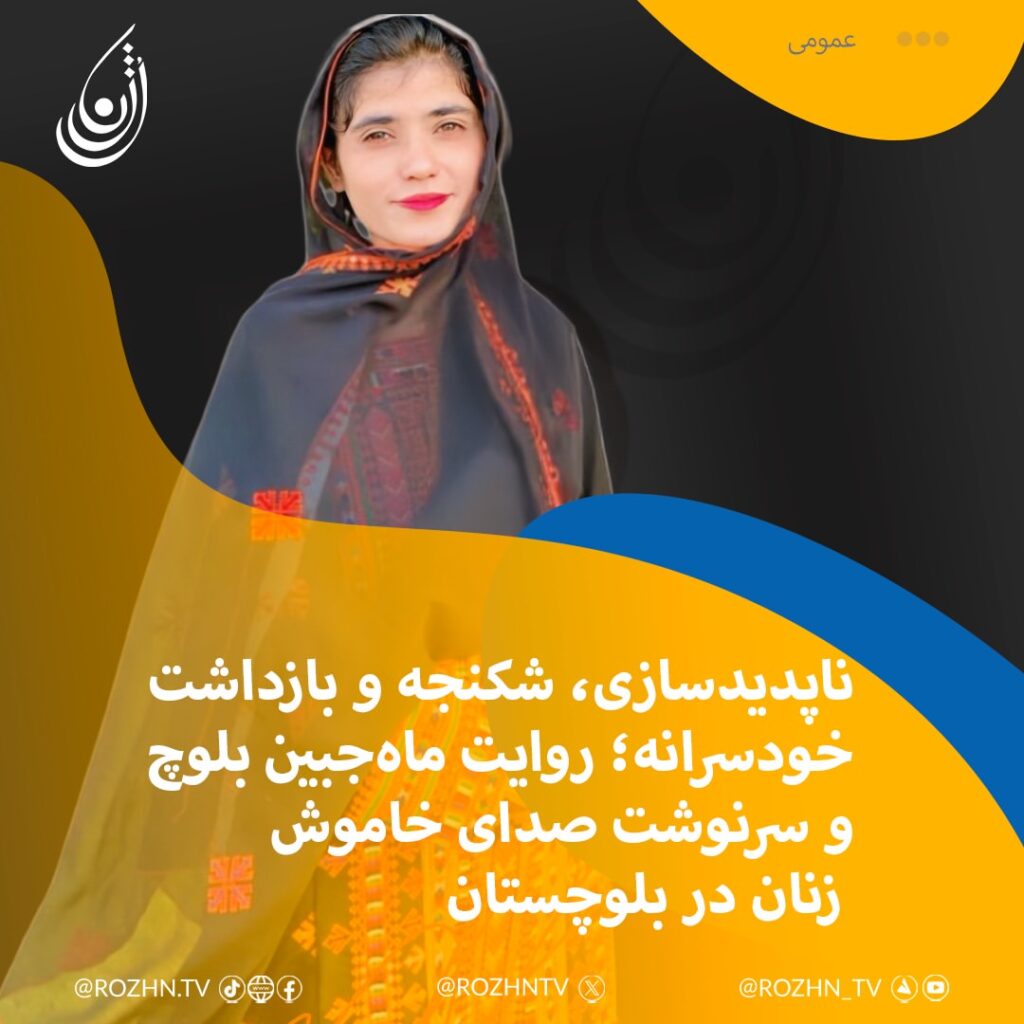
ناپدیدسازی، شکنجه و بازداشت خودسرانه؛ روایت ماهجبین بلوچ و سرنوشت صدای خاموش زنان در بلوچستان
ENDisappearance, Torture and Arbitrary Detention: The Story of Mahjabeen Baloch and the Fate of Women’s Silenced Voices in BalochistanRead in English
Wednesday, June 4, 2025
In the darkness of the night of May 29, 2025, Mahjabeen Baloch, a 24-year-old library science student and polio survivor, was abducted from a student dormitory in Quetta by police, the Counter Terrorism Department (CTD) and security forces. Five days have passed since the incident, and no contact or legal access has been provided to her. Her family has said that Mahjabeen, who needs medical care, is being held in a cell and subjected to torture.
This disappearance is an example of the rising pattern of arbitrary detentions, enforced disappearances and torture of Baloch civil activists and citizens, a pattern that affects not only men but also women, children and the sick.
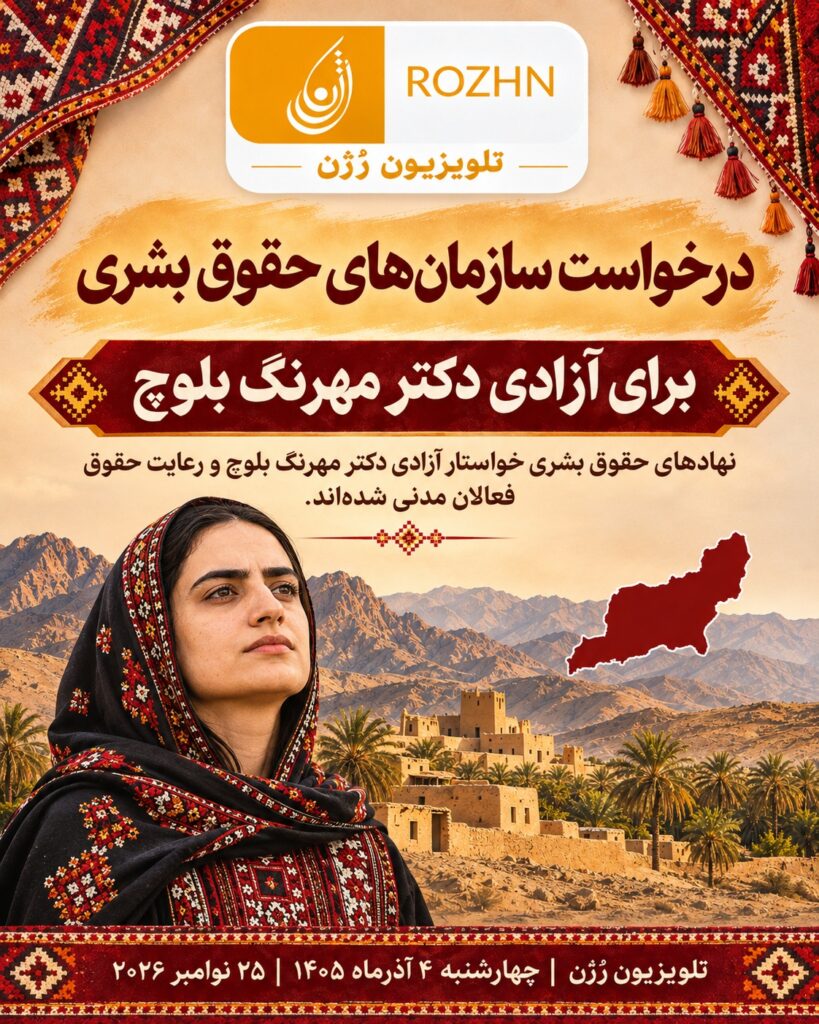
In these same days, reports have been published of the detention and disappearance of others, including Changiz Baloch from Panjgur, the child Abdollah Abed in Gwadar, and three citizens killed in Barkhan. Activists such as Bibo Baloch, Dr. Mahrang Baloch, Gulzadi Baloch, Dr. Sabiha Baloch, Sibghatullah Shah and Bibarg Baloch are also in detention or under threat and repeated arrest.
Five reputable international human rights organizations, including Amnesty International, Front Line Defenders, OMCT, FIDH and the Asian Forum for Human Rights and Development, in a joint letter to the Prime Minister of Pakistan, expressed concern over systematic human rights violations in Balochistan. They described the disappearance of Mahjabeen Baloch as a sign of increasing pressure on Baloch women activists and called for the immediate and unconditional release of all detainees, the provision of medical and legal services, and an independent investigation into the torture.
Today, on the eve of Eid, Baloch families are living in anxiety and uncertainty. While the world celebrates, the voices of girls and mothers who have been silenced because of their identity and civil resistance require serious international attention and action. This account is merely an echo of their cry for the right to life, dignity and justice.