
بلوچستان · ویدیو
بحران حیات وحش بلوچستان؛ فاجعهای در سایه بیتوجهی، فساد و توسعهی ناپایدار
ENBalochistan’s Wildlife Crisis: A Disaster Amid Neglect, Corruption and Unsustainable DevelopmentRead in English
Balochistan – Friday, May 30, 2025
Balochistan, one of the last pristine and biodiverse regions of Iran, is currently facing a deep environmental crisis, one that, according to environmental activists, is the result of years of neglect, entrenched corruption and a lack of effective conservation policies.
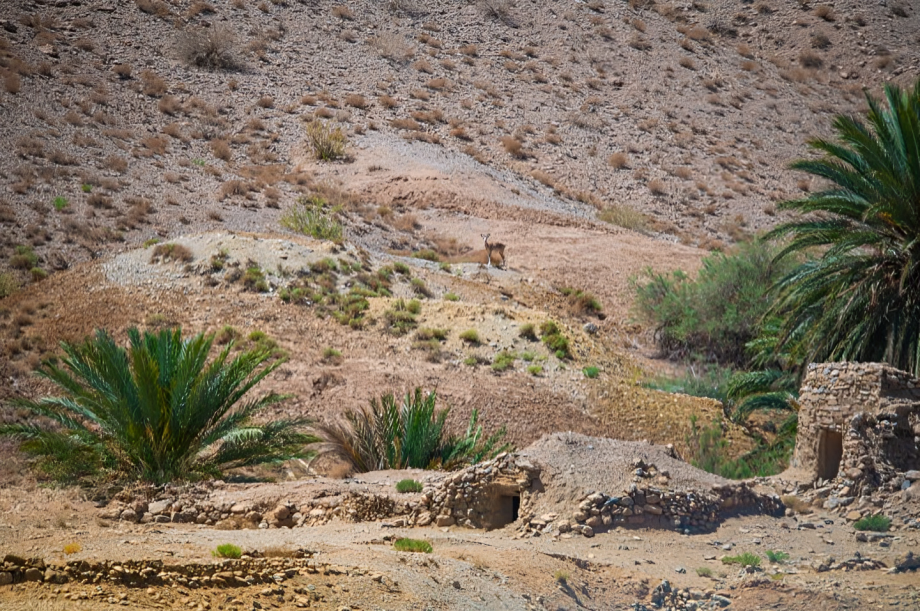
The province is home to rare and endangered species, including the Persian leopard, the Baluchistan black bear (known as “Mam”), the short-snouted crocodile or “gando,” and the houbara bustard. Yet these species are under severe threat, not only because of the growing destruction of their habitats through unsustainable development projects but also because of illegal hunting, wildlife trafficking and the inability of oversight bodies to carry out their duties.
Environmental activists have warned that the loss of these species is not only a blow to the region’s biodiversity but also a sign of a structural crisis in the management of natural resources in Iran as a whole.
According to local reports, some species have already completely disappeared from areas that were once their natural habitat. By contrast, the presence of poachers in protected areas has increased, at times with informal permits or the backing of influential figures.
According to informed sources, corruption within some government bodies and the unregulated allocation of land have accelerated environmental destruction. Construction projects, ill-planned road building and excessive extraction of natural resources are also being carried out without careful environmental assessment.
At the same time, reports indicate that efforts by local communities and independent activists to protect the species often meet with indifference or even obstruction from official bodies.
If this situation continues, experts warn that a large part of Balochistan’s valuable biodiversity may be lost entirely within the next decade, with consequences that will be not only environmental but also economic, cultural and social.
A post shared by Rozhn TV (@rozhn_tv)



