درخواست برای حذف نماد نظامی در ورودی جاسک؛ فعالان بلوچ خواستار جایگزینی با نشانههای فرهنگی شدند
ENCall to Remove Military Monument at Jask Entrance; Baloch Activists Demand Replacement with Cultural SymbolsRead in English
Jask – Wednesday, May 28, 2025
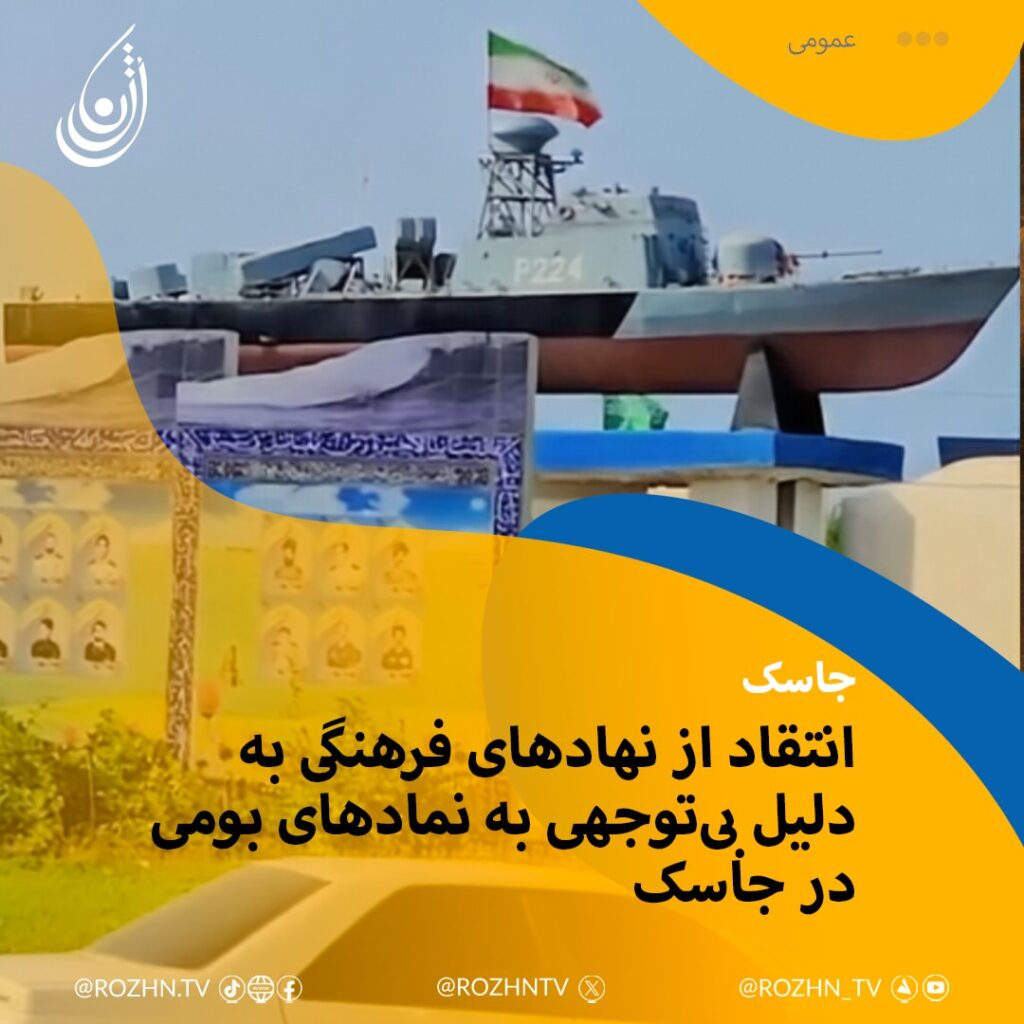
The installation of a statue with a military symbol at the entrance of the port city of Jask has provoked a wave of criticism among cultural, artistic and environmental activists in Balochistan. They say this symbol is not only unrelated to the region’s local history and identity but also shows disregard for the rich culture and indigenous symbols of the Baloch people.
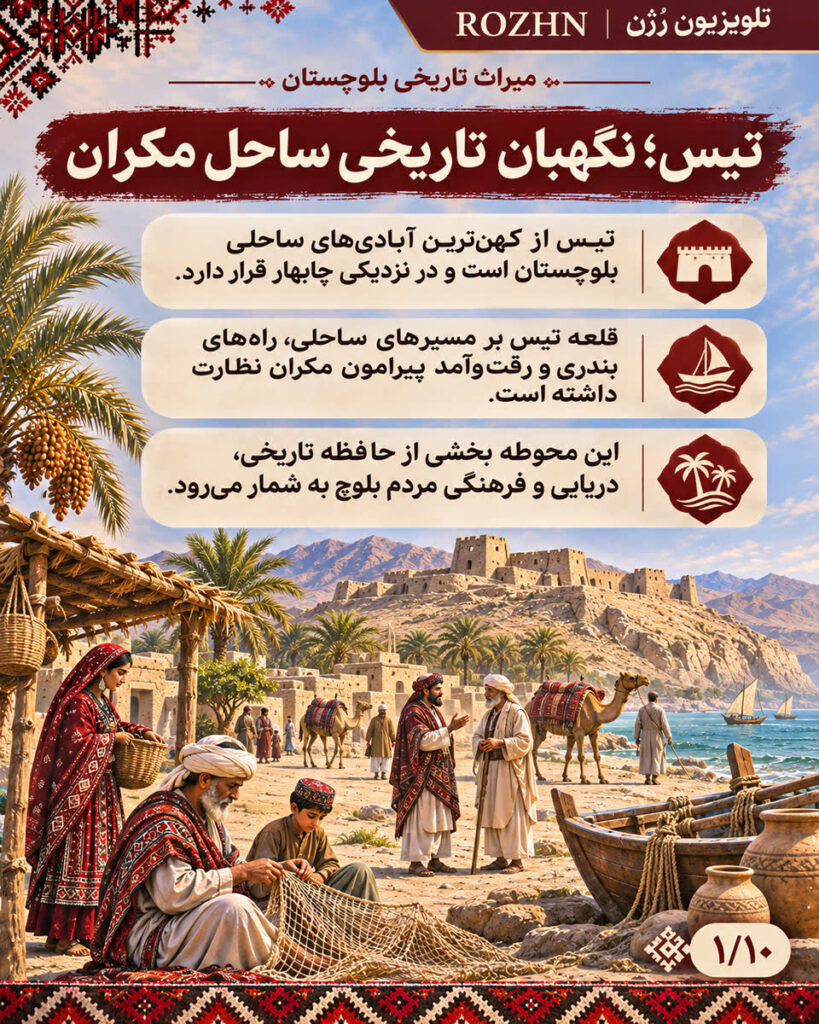
In the critics’ view, Balochistan has vast potential in cultural and historical symbols that could be used in the design of urban spaces. The camel, the date palm, needlework embroidery patterns, traditional architecture, carved designs, indigenous colors and cultural figures are only some of the identity-giving elements of this land which, according to the activists, deserve a place at the entrances of cities.
Baloch activists stress that using these local symbols would not only help beautify the city but would also lay the ground for cultural dialogue between indigenous communities and domestic and foreign tourists. They believe such visual elements raise questions and curiosity and ultimately lead visitors to a deeper understanding of Balochistan’s culture and history.
In published statements, the activists have asked city and provincial officials to remove the existing military statue at the entrance of Jask as soon as possible and replace it with a symbol drawn from Baloch indigenous culture and values; a step which, in their view, could strengthen a sense of social belonging and help honor cultural diversity in the country.