فرهنگ و تاریخ · ویدیو
سواس؛ پایافزاری بافته از نیهای طبیعت و ریشهدار در تاریخ بلوچستان
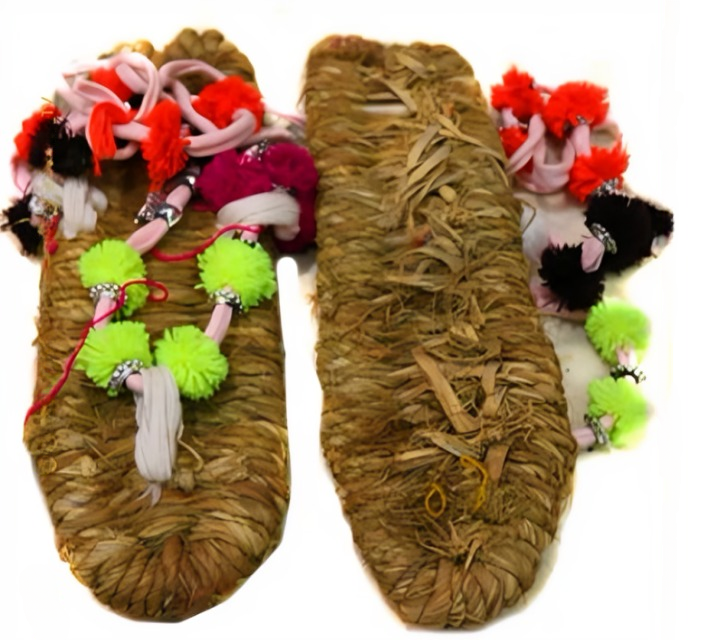
ENSavas: Footwear Woven From Natural Reeds and Rooted in the History of BalochistanRead in English
Rozhn TV | Friday, May 23, 2025
The handicrafts of Sistan and Baluchestan province are a full mirror of the culture, history and creativity of a people who have interacted with nature for centuries. Among the region’s varied arts, “savas” holds a special place: a traditional footwear made from natural reeds and the handiwork of Baloch weavers, which is still in common use among the people of the region.
Savas is one of the outstanding examples of traditional Balochistan mat-weaving, an art that not only serves a practical function in daily life but also reflects the authenticity, simplicity and aesthetics of this land’s native culture. This footwear is widely used particularly in tropical areas and is designed with inspiration from the climate: light, durable and entirely compatible with the environment.
The history of savas goes back thousands of years, and it is still produced by local artisans, mainly women, using the same traditional methods. This handcraft is known not only as a local product but also as a symbol of Balochistan’s cultural identity, one that has been passed down from generation to generation and has stayed alive.
Attention to this handicraft is not only support for native art but also considered an effective step toward preserving culture, creating jobs and achieving sustainable development in deprived regions.
A post shared by Rozhn TV (@rozhn_tv)