بلوچستان · ویدیو
ناهار در کیسه پلاستیکی؛ تصویری تلخ از تبعیض ساختاری در پروژههای عمرانی بلوچستان


ENLunch in a Plastic Bag: A Bitter Picture of Structural Discrimination in Balochistan’s Development ProjectsRead in English
Rozhn TV | Thursday, May 22, 2025
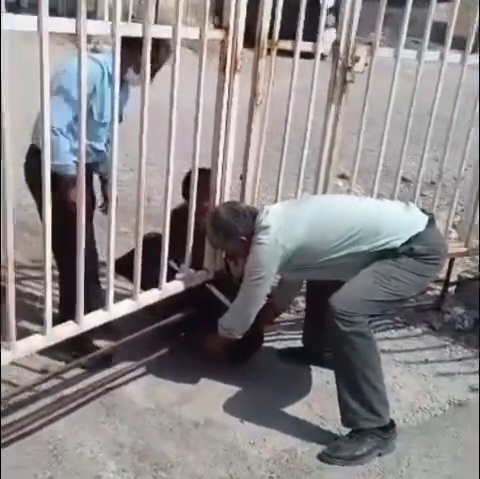
The publication of a photo of the lunch of a worker on a road-building project on the Iranshahr–Abtar road has once again highlighted the dire state of welfare services in development projects in Balochistan’s deprived areas. In the photo, the worker’s lunch consists of some food in a plastic bag and a bottle of soft drink. The image quickly spread on social media and prompted a wave of public criticism.
These workers, who labor in difficult geographic conditions, in mountains and desert, are not only denied safety and hygiene equipment but also lack the most basic welfare facilities, such as a hot, hygienic meal. Labor experts believe such treatment is an instance of structural discrimination and a clear violation of human dignity and workers’ fundamental rights.
The lack of a specific budget to provide food and basic services for the workforce is evidence of systematic disregard for the livelihood and dignity of workers in deprived areas. While many of these projects cost billions of tomans, the minimum human rights of the people who carry them out are ignored.
No reaction has so far been published by the Roads and Urban Development Office or the project contractor.
A post shared by Rozhn TV (@rozhn_tv)