Rozhn TV Political Analysis
Tensions between Iran and the United States have risen in recent weeks, while officials in Tehran have stressed readiness for various scenarios. According to media observers, these positions are being put forward to project regional …
Rozhn TV | Thursday, January 15, 2026
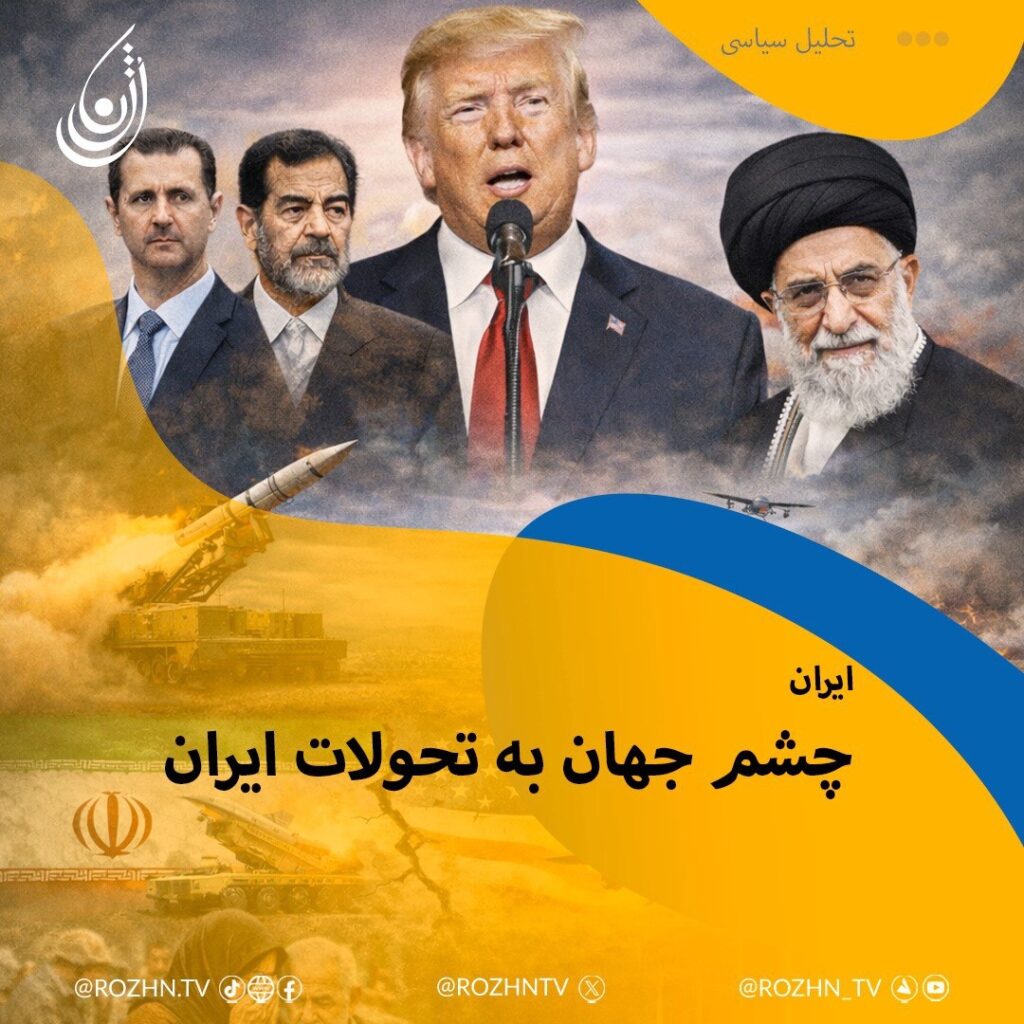
Tensions between Iran and the United States have risen in recent weeks, while officials in Tehran have stressed readiness for various scenarios. According to media observers, these positions are being put forward to project regional deterrence and to highlight Iran’s missile and drone capabilities in West Asia.
By contrast, field assessments from inside the country present a different picture. According to economic data, livelihood pressures, the devaluation of the national currency and the hardships of daily life have affected a large part of society. Social observers say that in periods of heightened external tension, these pressures usually fall hardest on ordinary citizens, vulnerable groups and protesters.
At the same time, numerous reports have been published about the mass detention of civil and political activists. According to information from independent sources and legal bodies, as of January 15, 2026, the number of detainees has reached the thousands. These sources report pressure and mistreatment of some of the detainees. Reports have also been published about the killing of a large number of citizens during the unrest, although restricted access to independent information has made it difficult to confirm the figures precisely.
An analysis of regional trends shows that escalating external tension often coincides with a narrowing of civic space and increased domestic security pressure.
According to analysts, a prolonged emphasis on purely security-based approaches can lead to an erosion of domestic legitimacy.
In Syria, the government of Bashar al-Assad, and in Iraq, the government of Saddam Hussein, ignored signs of social discontent and internal crisis before the collapse of their political and economic structures. Independent observers see the common thread in these experiences as the government’s distance from society and the weakening of popular legitimacy.
In this context, Iranian officials have spoken of readiness to consider the path of dialogue. In the view of observers, dialogue can help ease the crisis only when it is accompanied by a reduction in domestic pressure, respect for citizens’ rights and attention to the public will.
Continued in the comments…. 👇👇