بلوچستان؛ منطقهای استراتژیک با تنوع جغرافیایی، اقتصادی و فرهنگی
ENBalochistan: A Strategic Region with Geographic, Economic and Cultural DiversityRead in English
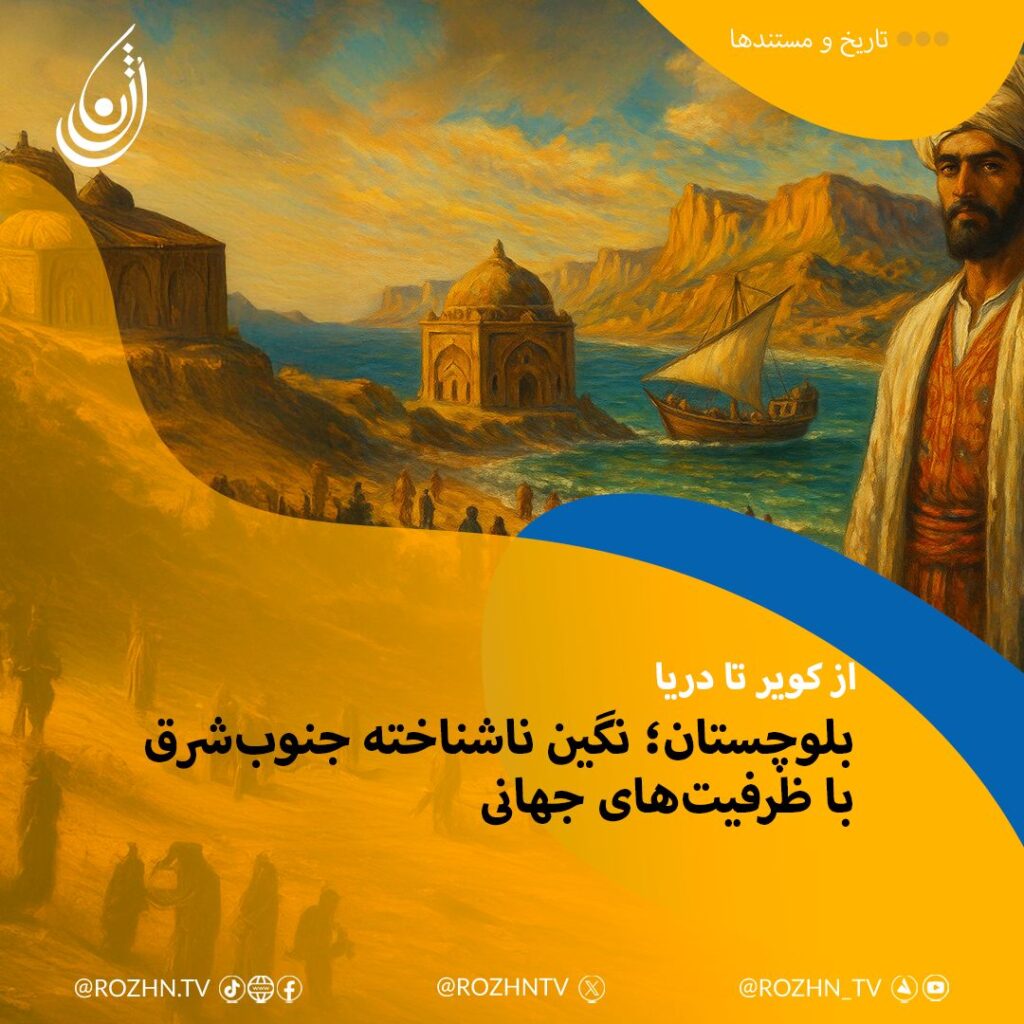
Zahedan, Friday, May 2, 2025 – Balochistan, with its vast expanse in southeastern Iran, is considered a unique region not only geographically but also economically, culturally and religiously. This province, which shares borders with Pakistan and Afghanistan and has access to the Sea of Oman, lies at one of the country’s most sensitive geopolitical points.
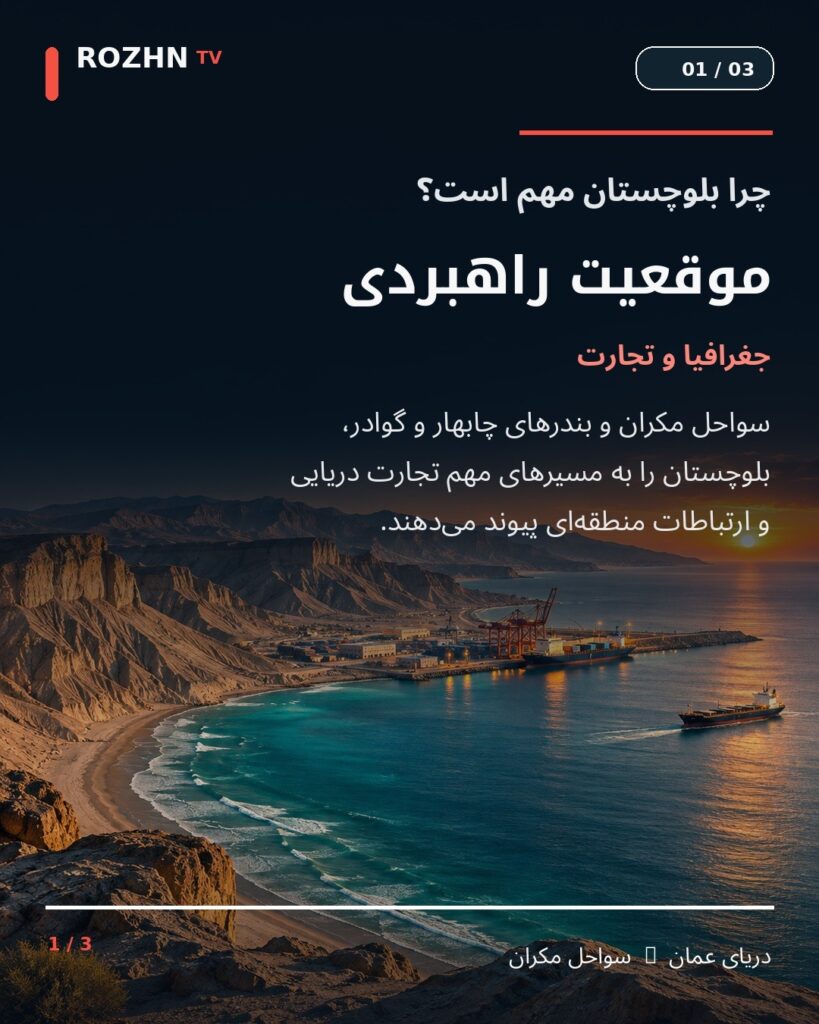
Chabahar Port: The Beating Heart of Southeastern Trade – In this region, the strategic port of Chabahar holds a special place. With two important wharves, Shahid Beheshti and Shahid Kalantari, the port can accommodate large ocean-going ships and is known as the gateway for trade in the east of the country. Chabahar is Iran’s connection point to international corridors such as the India–Afghanistan–Central Asia route.
Natural Diversity: From Dates to Coconuts – Balochistan’s diverse climate has made it possible to produce particular agricultural and horticultural products. In Saravan County, more than 60 varieties of dates are grown, and in Chabahar fruits such as mango, banana and coconut also grow. In addition, medicinal plants such as aloe vera and native trees such as wild pistachio (baneh) are found in mountainous areas.
Multicultural and Multireligious: Distinctive Social Features – Demographically, the majority of Balochistan’s people are Sunni Muslims. However, minorities of Shia, Zikris, Baha’is, and also Hindu and Sikh religious minorities are present in the region. The historical presence of Hindus, especially in Chabahar and Zahedan, dates back to the Qajar era. They were active in the trade of cloth, tea and imported goods, and temples such as the Hindu temple in Chabahar remain from that period.
After the partition of India in 1947 and also the 1979 revolution (1357 in the Iranian calendar), many Hindu families left the region. But a few families still live in Chabahar and are active in commerce.
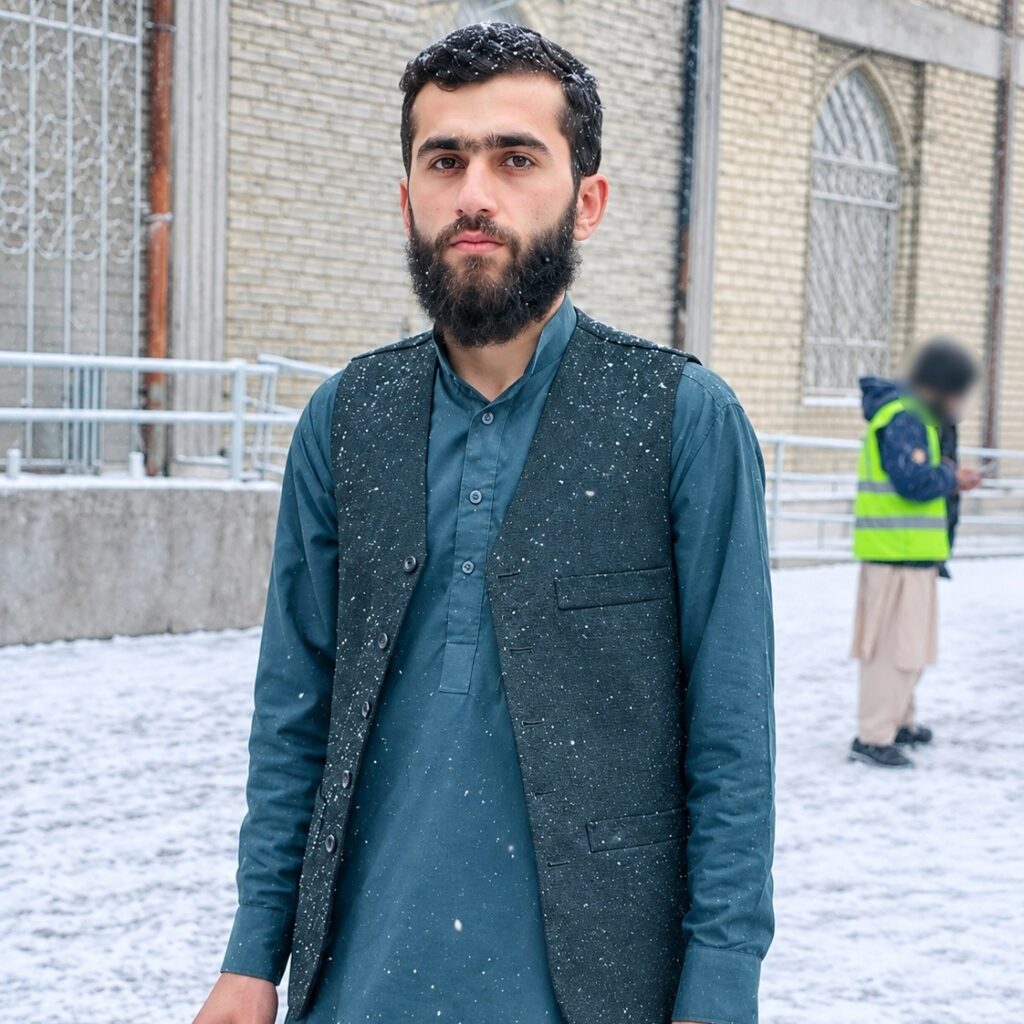
Diverse Ethnic and Migrant Composition – In recent decades Balochistan has hosted Afghan refugees, particularly Hazaras. The presence of these populations, along with internal migrants from other provinces, has expanded the region’s cultural and human diversity.