
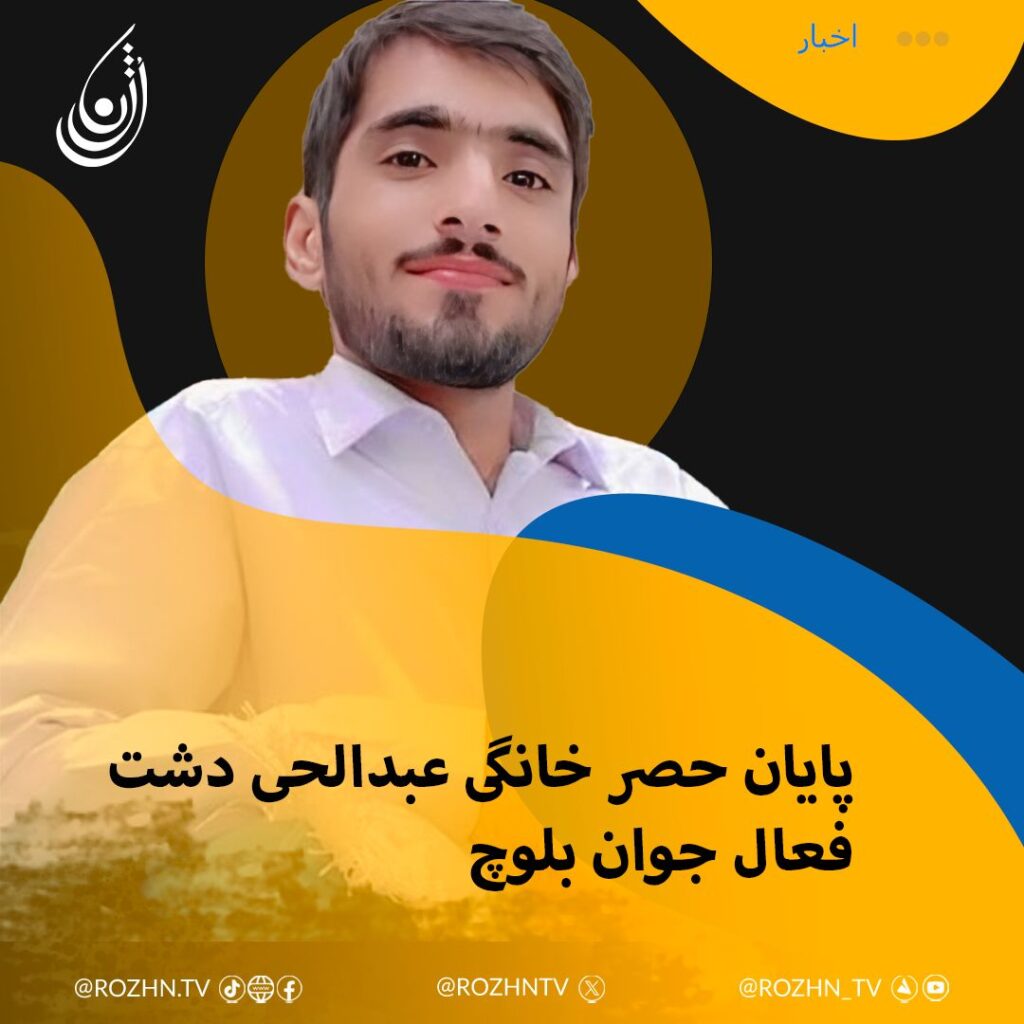
پایان حصر خانگی عبدالحی دشتی، فعال مدنی بلوچ
زاهدان – چهارشنبه ۳ اردیبهشت ۱۴۰۴ (۲۳ آوریل ۲۰۲۵)
عبدالحی دشتی، فعال فرهنگی و مدنی بلوچ، روز چهارشنبه ۳ اردیبهشت از حصر خانگی آزاد شد. این اقدام با موافقت مسئولان قضایی و پیگیریهای مرکز نظارت بر زندانیان استان سیستان و بلوچستان انجام گرفته است
آقای دشتی پیشتر به اتهام «تبلیغ علیه نظام» به یک سال حبس تعزیری محکوم شده بود و بخشی از این محکومیت را با پابند الکترونیکی در حصر خانگی سپری کرد. وی در ابتدا در بند ۹ زندان مرکزی زاهدان نگهداری میشد
منابع آگاه میگویند فعالیتهای عبدالحی دشتی بیشتر در حوزه فرهنگی، علمی و روشنگرانه بوده و اتهامات وارده به او با ماهیت واقعی فعالیتهایش همخوانی ندارد
پایان حصر خانگی این فعال بلوچ از سوی ناظران حقوق بشر به عنوان گامی ولو کوچک در جهت کاهش فشارها بر جامعه مدنی در استان سیستان و بلوچستان ارزیابی شده است. فعالان مدنی میگویند این پرونده نمونهای از چگونگی برخورد امنیتی با کنشگران غیرسیاسی در مناطق محروم است
ENBaloch Civil Activist Abdolhay Dashti’s House Arrest EndsRead in English
Zahedan – Wednesday, April 23, 2025
Abdolhay Dashti, a Baloch cultural and civil activist, was released from house arrest on Wednesday, April 23. The move came with the consent of judicial officials and following the efforts of the Sistan and Baluchestan Prisoners’ Monitoring Center
Mr. Dashti had previously been sentenced to one year of discretionary imprisonment on charges of “propaganda against the system” and served part of the sentence under house arrest with an electronic ankle monitor. He was initially held in Ward 9 of Zahedan Central Prison
Well-informed sources say Abdolhay Dashti’s activities were mostly in the cultural, scientific and enlightening fields, and that the charges against him do not match the true nature of his activities
Human rights monitors have assessed the end of this Baloch activist’s house arrest as a step, however small, toward reducing pressure on civil society in Sistan and Baluchestan province. Civil activists say the case is an example of how non-political activists in deprived regions are treated with a security-minded approach



