
بلوچستان · ویدیو
مرگ یوسف شهلیبر؛ پرسشی درباره مصونیت نیروهای نظامی در ایران
ایرانشهر، سهشنبه ۲ اردیبهشت ۱۴۰۴ / ۲۲ آوریل ۲۰۲۵
یادداشت تحلیلی – هُدادات بلوچ
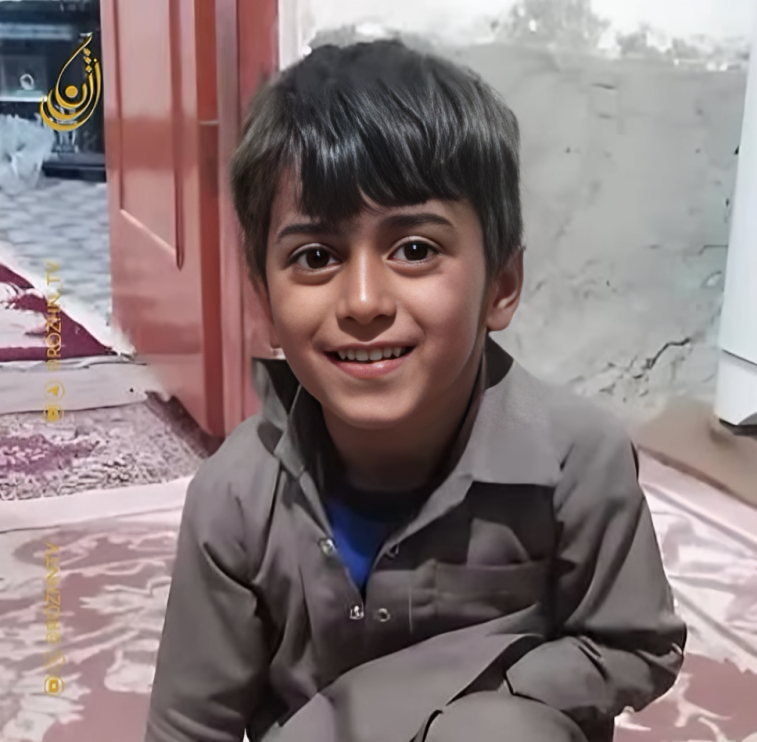
مرگ جانسوز یوسف شهلیبر، کودک پنجساله بلوچ، نه حادثهای ناگهانی بلکه فصلی دیگر از کتاب خونین سرکوب و تبعیض است. شامگاه ششم اسفند ۱۴۰۳، نیروهای یگان تکاوری جمهوری اسلامی در چاهجمال ایرانشهر، خودروی حامل خانواده شهلیبر را به رگبار بستند؛ کودک جان داد، مادر باردار مجروح شد و جنینش را از دست داد. ابتدا، مطابق معمول، جنایت به «افراد ناشناس» نسبت داده شد، اما با فشار افکار عمومی و گزارشهای مستقل، نقش نیروهای حکومتی آشکار شد. با اینحال، مثل همیشه، نه خبری از محاکمه بلکه آزادی بیسروصدای قاتلان و تهدید خانواده قربانی به سکوت بود
این رخداد، در کنار کشتار زاهدان و خاش در ۱۴۰۱، تجاوز در چابهار، و دهها فاجعه دیگر، تصویری روشن از نظمی ارائه میدهد که در آن جنایت برای بقا ضروری است. مأموران نظام نه حافظان امنیت بلکه ابزار هستی دیکتاتوریاند؛ رژیم از جنایت ارتزاق میکند و امنیت خود را نه در رضایت مردم بلکه در ارعاب میجوید. حتی کودکی با گلوله در سینه، در این نظم، نه خونخواه دارد و نه عدالت
در بلوچستان، که نظام حاکم، مردم را نه شهروند بلکه «دشمن امنیت» میپندارد، این منطق با شدت بیشتر اجرا میشود. ملت بلوچ از آغاز، با برچسبهایی مانند «وهابی» و «تجزیهطلب»، از حقوق اساسی محروم مانده است. در بزنگاههایی مانند قتل یوسف، این نگاه عریانتر میشود: خون کودک بلوچ حتی قابل انکار است
آگاهی و قدرت جمعی حاصل از آن، تنها راه پایاندادن به تصویریست که دیکتاتوری ساخته. زمانی که بلوچ خود را بهعنوان «ملت صاحب حق» بازشناسد، راه برای رهایی هموار میشود. در غیر این صورت، جنایت یوسف شهلیبر تنها یکی دیگر از فصلهای تکرار خواهد بود
ENThe Death of Yousef Shahlibar: A Question About the Impunity of Security Forces in IranRead in English
Rozhn TV | Iranshahr – Tuesday, April 22, 2025
Analytical note – Hodadat Baloch
The searing death of Yousef Shahlibar, a five-year-old Baloch child, was not a sudden accident but another chapter in the bloody book of repression and discrimination. On the evening of February 24, 2025, forces of the Islamic Republic’s Commando Unit in Chah-e Jamal, Iranshahr, riddled the vehicle carrying the Shahlibar family with gunfire; the child died, and the pregnant mother was wounded and lost her unborn child. At first, as usual, the crime was attributed to “unknown individuals,” but under public pressure and independent reports, the role of government forces became clear. Even so, as always, there was no trial, but rather the quiet release of the killers and the threatening of the victim’s family into silence.
This event, together with the killings in Zahedan and Khash in 1401 (2022-23), the rape in Chabahar, and dozens of other tragedies, paints a clear picture of an order in which crime is essential for survival. The regime’s agents are not guardians of security but instruments of the dictatorship’s existence; the regime feeds on crime and seeks its security not in the people’s consent but in intimidation. Even a child with a bullet in his chest has, in this order, neither anyone to avenge him nor justice.
In Balochistan, where the ruling system regards the people not as citizens but as an “enemy of security,” this logic is carried out with greater intensity. From the outset, the Baloch nation, with labels such as “Wahhabi” and “separatist,” has been deprived of fundamental rights. At junctures such as the killing of Yousef, this outlook becomes more naked: the blood of a Baloch child can even be denied.
Awareness, and the collective power that comes from it, is the only way to end the image the dictatorship has constructed. When the Baloch recognize themselves as a “nation with rights,” the path to liberation will be cleared. Otherwise, the crime against Yousef Shahlibar will be just one more chapter of repetition.
A post shared by Rozhn TV (@rozhn_tv)



