Pakistan’s Army Reports 31,000 Operations in Balochistan; Baloch Activists Call for Examination of Human Consequences
To maintain neutrality and support the rights of the Baloch people, it is better for this issue to be presented as the documented view of families and activists, and not as a definitive conclusion without …
Rozhn TV | Friday, July 31, 2026
To maintain neutrality and support the rights of the Baloch people, it is better for this issue to be presented as the documented view of families and activists, and not as a definitive conclusion without independent review.
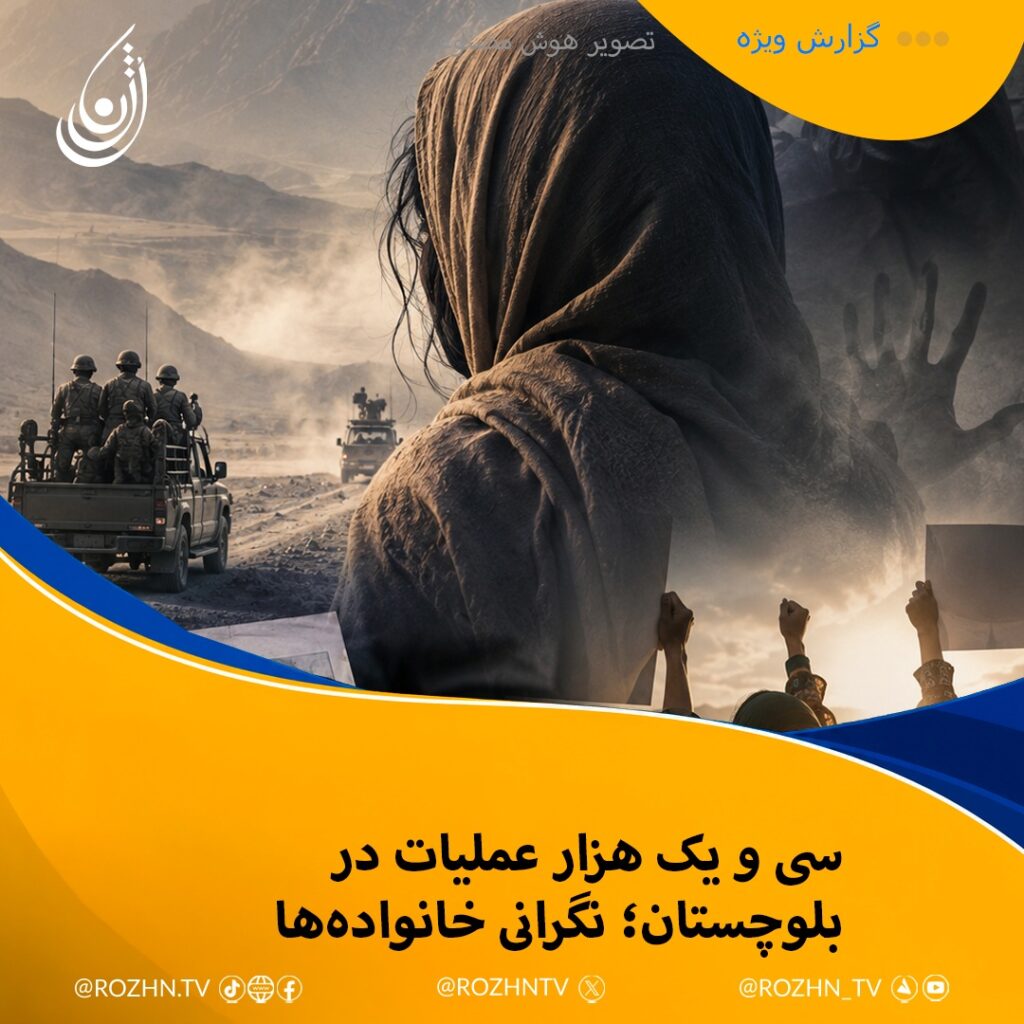
Pakistan’s army has announced that it has carried out more than 31,000 intelligence-based operations in Balochistan.
Lt. Gen. Ahmed Sharif Chaudhry, Director General of Public Relations of the Pakistan Army, said that over the past five years security forces have carried out more than 40,000 intelligence-based operations across the country, most of them in Balochistan.
He also claimed that more than two thousand people, whom the Pakistan Army describes as members of armed groups, were killed in these operations.
These figures were provided by the Pakistan Army, and details about the identities of those killed, how the operations were carried out and the number of detainees have not been published in a public and verifiable form.
In contrast, over the past years families, Baloch activists and human rights organizations have repeatedly published reports, images, testimonies and evidence about the detention and disappearance of Baloch citizens.
According to these reports, some of the detainees were people whose families describe them as civilians with no connection to armed groups.
A number of families have also claimed that after their detention, their relatives were denied access to a lawyer, contact with their families and a transparent judicial process, and that in some cases the bodies of the disappeared were later found in different parts of Balochistan.
Independent confirmation of all these cases is not possible, but the scale of the reports and the protests of families highlight the need for independent and transparent investigations into the detentions, the allegations of mistreatment and the deaths of citizens.
Baloch activists have called for the release of the identities of the detainees, their places of detention and the legal status of their cases, and for families to be given access to information and to the judicial process.
As of the publication of this report, Pakistani officials have not provided a comprehensive response to all the cases raised by families and Baloch activists.