استراتژی فشار حداکثری نتیجه داد؛ جمهوری اسلامی عقب نشست
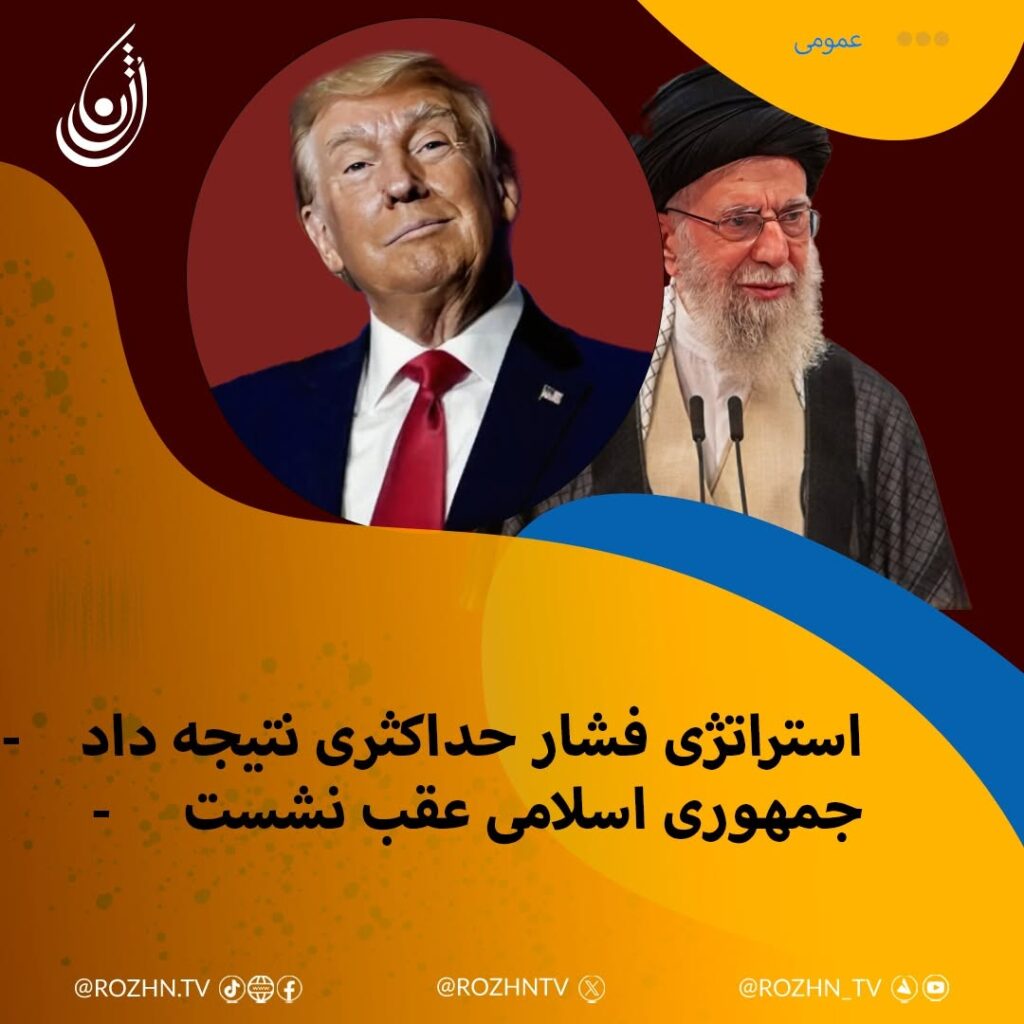
ENMaximum Pressure Strategy Worked; Islamic Republic Backs DownRead in English
Sunday, April 13, 2025
The New York Times: On the eve of indirect talks between Tehran and Washington in Oman, informed sources have told the newspaper that the leader of the Islamic Republic of Iran, Ayatollah Ali Khamenei, has agreed to the principle of talks with the United States after receiving warnings from the heads of the three branches of government.
According to the New York Times, these warnings were conveyed to Khamenei with an emphasis on the danger of a US and Israeli military attack on Iran’s nuclear facilities and the possibility of the regime’s collapse should war and internal crisis spread. Senior Iranian officials have asked Khamenei to revise the country’s official policy and not to rule out the possibility of direct talks with the United States if the American side proves its good faith.
These developments, which have emerged as a result of unprecedented economic pressure, internal discontent and the strategic position of the United States, indicate an inevitable change in the Islamic Republic’s confrontational policy toward the West. While this decision may be seen as a retreat, it clearly signals that international and domestic pressures on the Islamic Republic have reached a critical point and have made a change of approach necessary to protect the country’s interests and prevent further crises.
It appears that, after years of confrontation and isolationist policies, the Islamic Republic has now recognized the need for dialogue with the West and is reviewing its past policies. These changes may lead to the start of a new round of interactions between Iran, the United States and other countries, which could have significant effects on the political and security equations of the region and the world.