
بلوچستان · ویدیو
دفن پنهانی چهار زندانی سیاسی اهل سنت در مشهد؛ خشم خانوادهها و واکنش فعالان حقوق بشر
ENSecret Burial of Four Sunni Political Prisoners in Mashhad; Families’ Anger and Human Rights Activists’ ReactionRead in English
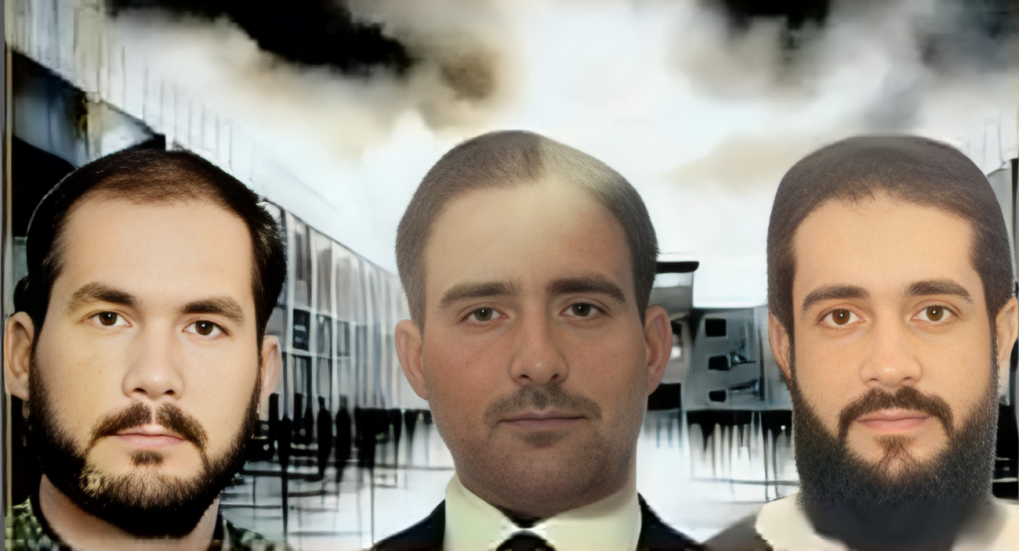
In a move that has met with widespread protest from families and human rights activists, four Sunni political and religious prisoners, three of whom were Baloch, were buried secretly after their execution in Vakilabad Prison in Mashhad, without the families being informed or the bodies being handed over.
The executions were carried out in the early hours of Saturday, April 12, 2025, and the identities of the deceased have been announced as follows:
Abdolrahman Gargij
Abdolhakim Azim Gargij
Taj Mohammad Khormali
Farhad Shakeri (a Turkmen citizen)
The families of these prisoners have said they had been promised that, after paying legal costs, they would receive their loved ones’ bodies and hold the funeral themselves. But before this could happen, they suddenly learned that the bodies had been buried without prior notice.
People close to the families told Rozhn TV that the graves they were shown bore no sign of being fresh, which has reinforced suspicions of concealment about the actual burial place of the bodies.
Violation of human and legal rights
This action, which violates the families’ right to say farewell, hold religious ceremonies and conduct a funeral procession, is contrary to the domestic laws of the Islamic Republic of Iran and its international human rights obligations. The families have demanded accountability from the responsible authorities and have asked international bodies to act to clarify the truth.
A recurring pattern in the suppression of minorities
This incident occurred as part of the growing suppression of religious and ethnic minorities, especially Sunni Baloch. Between April 8 and April 12, at least 14 Baloch prisoners were executed in various prisons in Iran; many of them were tried on vague charges or without adequate access to a lawyer.
The secret burial of these four political prisoners has not only caused deep grief among the families and the Sunni community but is also a worrying sign of intensifying pressure on religious and ethnic minorities in Iran.
A post shared by Rozhn TV (@rozhn_tv)



