A Human Look at Execution Figures in Iran
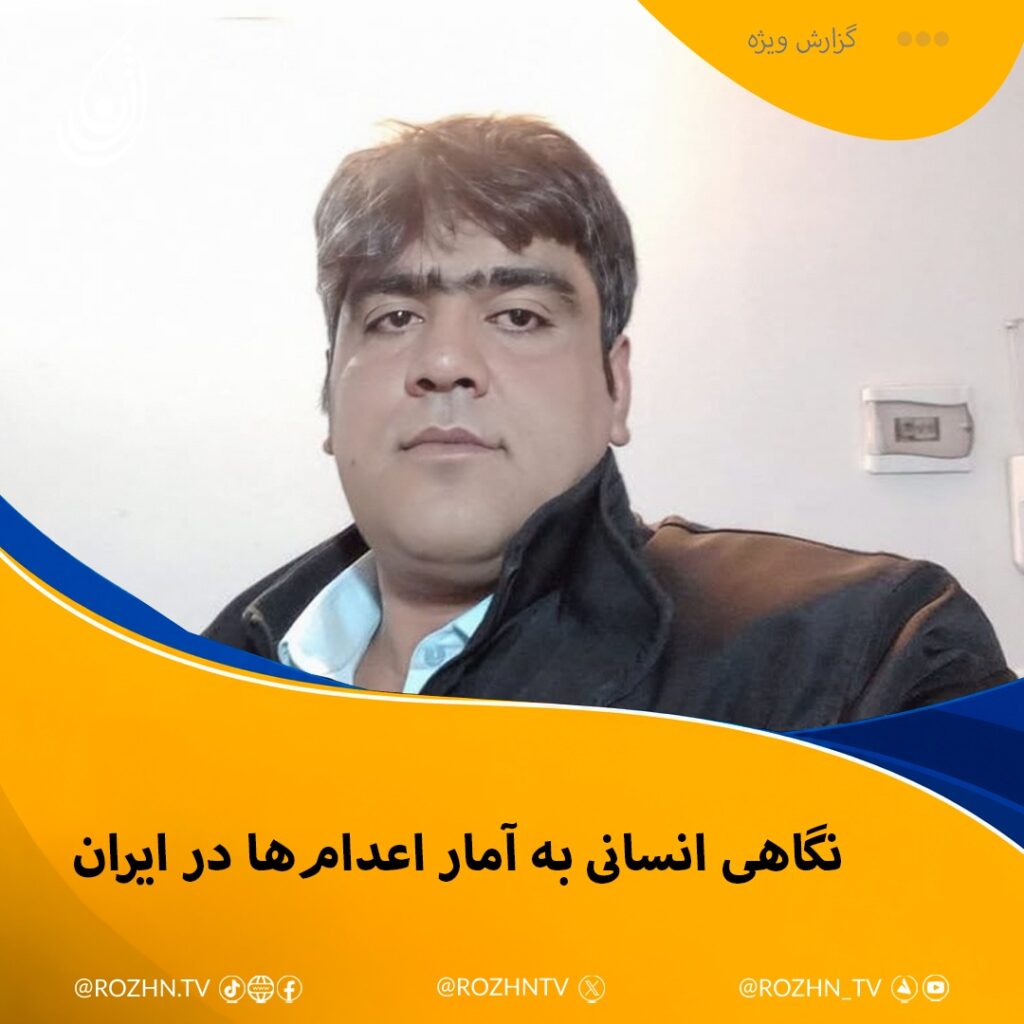
According to published reports, the death sentence of Habibollah Ghanbarzehi Farjad, a 38-year-old Baloch prisoner and the father of a family, was carried out at dawn today in Kerman prison.
Rozhn TV | Monday, October 12, 2026
According to published reports, the death sentence of Habibollah Ghanbarzehi Farjad, a 38-year-old Baloch prisoner and the father of a family, was carried out at dawn today in Kerman prison.
Habibollah had been sentenced to death in a drug-related case, but his family and sources close to him had previously said the drugs found did not belong to him, a matter Rozhn TV is unable to independently verify.
Just hours before the execution, his family had gone to the prison for a last visit, and his mother and sister had earlier appealed for help to save his life. Mai Sato, the UN Special Rapporteur on human rights in Iran, had also expressed concern about the possibility of his imminent execution.
According to a report by Iran Human Rights, at least 617 people have been executed in Iran from the start of 2026 to October 10, among them at least 54 Baloch citizens.
Last year, Amnesty International also recorded at least 2,159 executions in Iran and said that marginalized minorities, including the Baloch, are disproportionately affected by the death penalty.
Behind each of these numbers is a human being: a mother, a father, a spouse, a child, and a family whose life changes forever.
The debate over executions is not merely a debate about a judicial sentence; it is about the right to life, the right to a fair trial and human dignity.
Today the name of Habibollah Ghanbarzehi Farjad is once again a reminder of the families who live waiting for a phone call, a last visit, or news of their loved one.
No statistic should cause us to forget the human beings behind these numbers.