From Needlework to Painting: Baloch Women’s Story Carried Forward Through Art
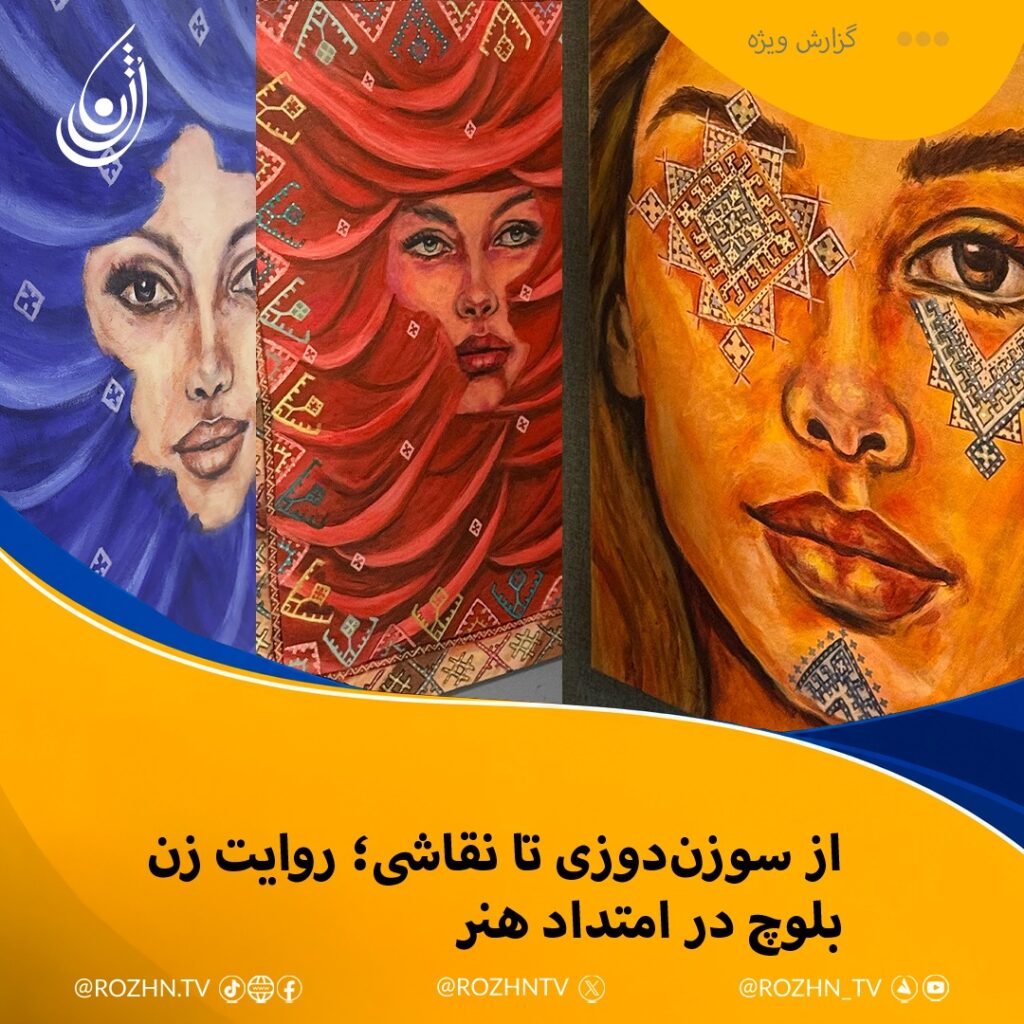
The exhibition of Mahsa Mobaraki’s work at the Uppsala House of Culture is more than a chance to see paintings and sculpture; it is a reminder of the role Baloch women have played in preserving …
Rozhn TV | Monday, October 19, 2026
The exhibition of Mahsa Mobaraki’s work at the Uppsala House of Culture is more than a chance to see paintings and sculpture; it is a reminder of the role Baloch women have played in preserving and shaping their community’s culture and identity.
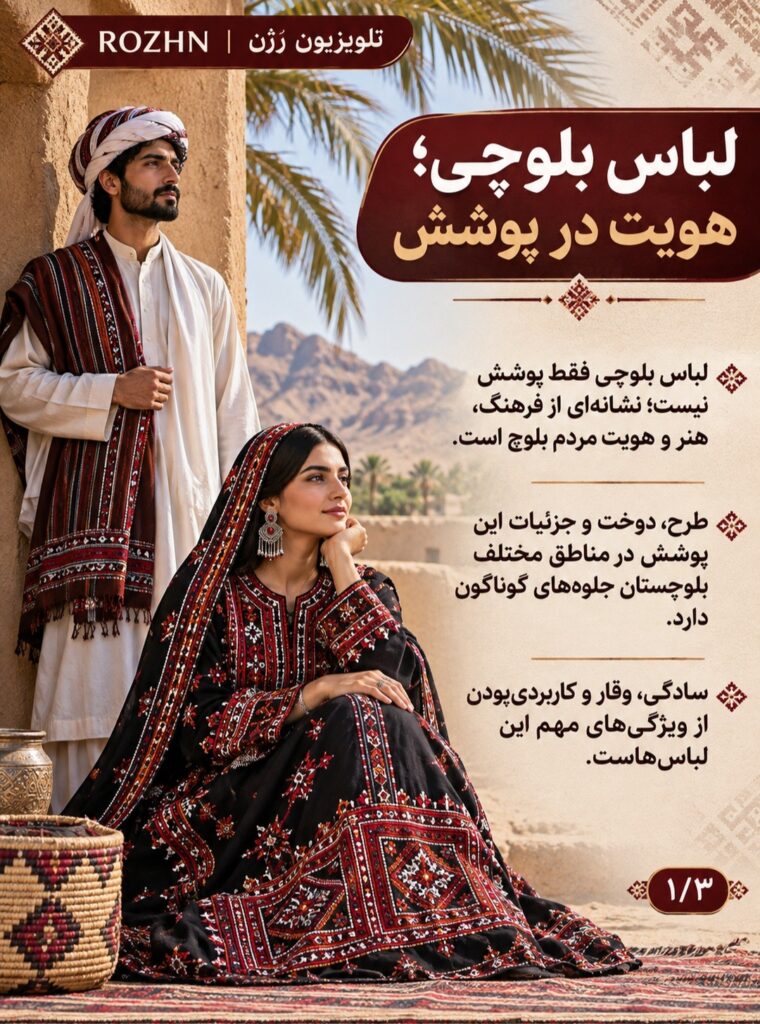
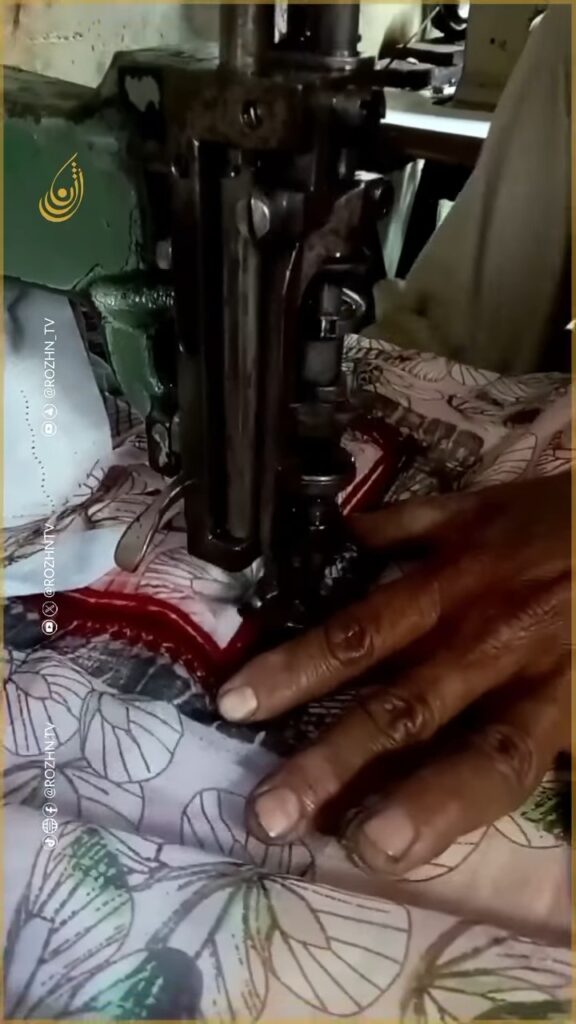
For generations, Baloch women have woven art into everyday life: from the needlework that has kept Balochistan’s patterns and colors alive on clothing, to stories, songs and handicrafts, and today painting and contemporary art.
For many Baloch women, art has never been only about beauty; it has been a way of preserving memory, identity and lived experience. These are women who, in the quiet of homes and villages, have passed part of Balochistan’s culture down from one generation to the next with their own hands.
Today the same spirit can be seen in the work of a new generation of women artists, women who connect the heritage of the past with the language of today and express their experience, feelings, pain, hope and view of the world on canvas and through art.
The work of this Baloch artist follows that same path, one that began with the art of earlier generations of women and can now be seen in galleries and cultural spaces beyond Balochistan as well.
Baloch women have not merely been custodians of part of Balochistan’s culture; they have helped shape it.
From the delicate patterns of needlework to today’s works of art, the mark of Baloch women can be seen in the color, form, patience, creativity and courage that have stayed with them through the generations.
Showing these works in Uppsala gives audiences a chance to discover another face of Balochistan: a Balochistan that, alongside its hardships, is rich in art, in creativity, and in women who have carried their culture with them and handed it down to the generations that followed.
Artist: Mahsa Mobaraki
Uppsala House of Culture, Sweden
From thread and needle to paint and canvas, the art of Baloch women goes on telling its story.