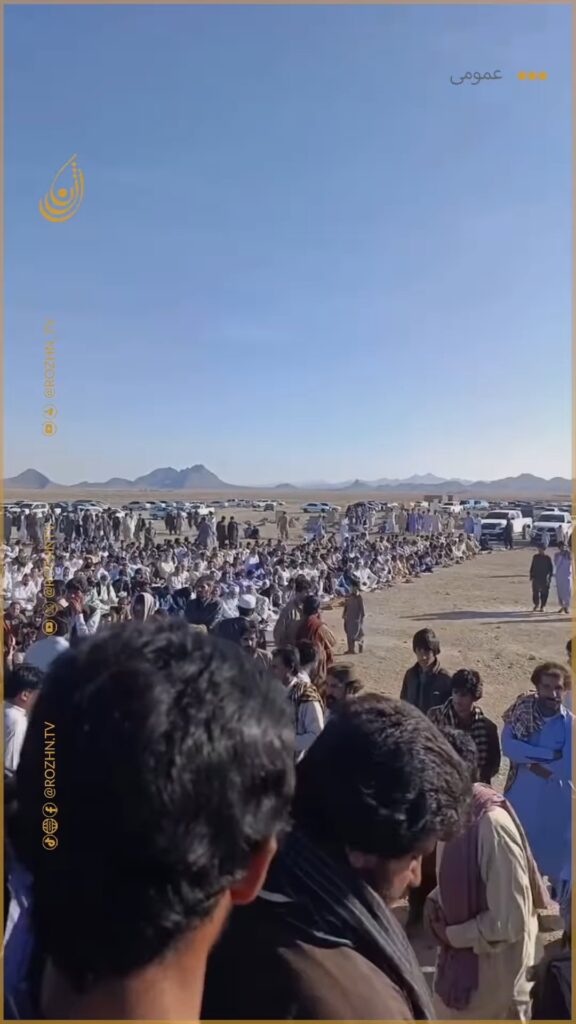
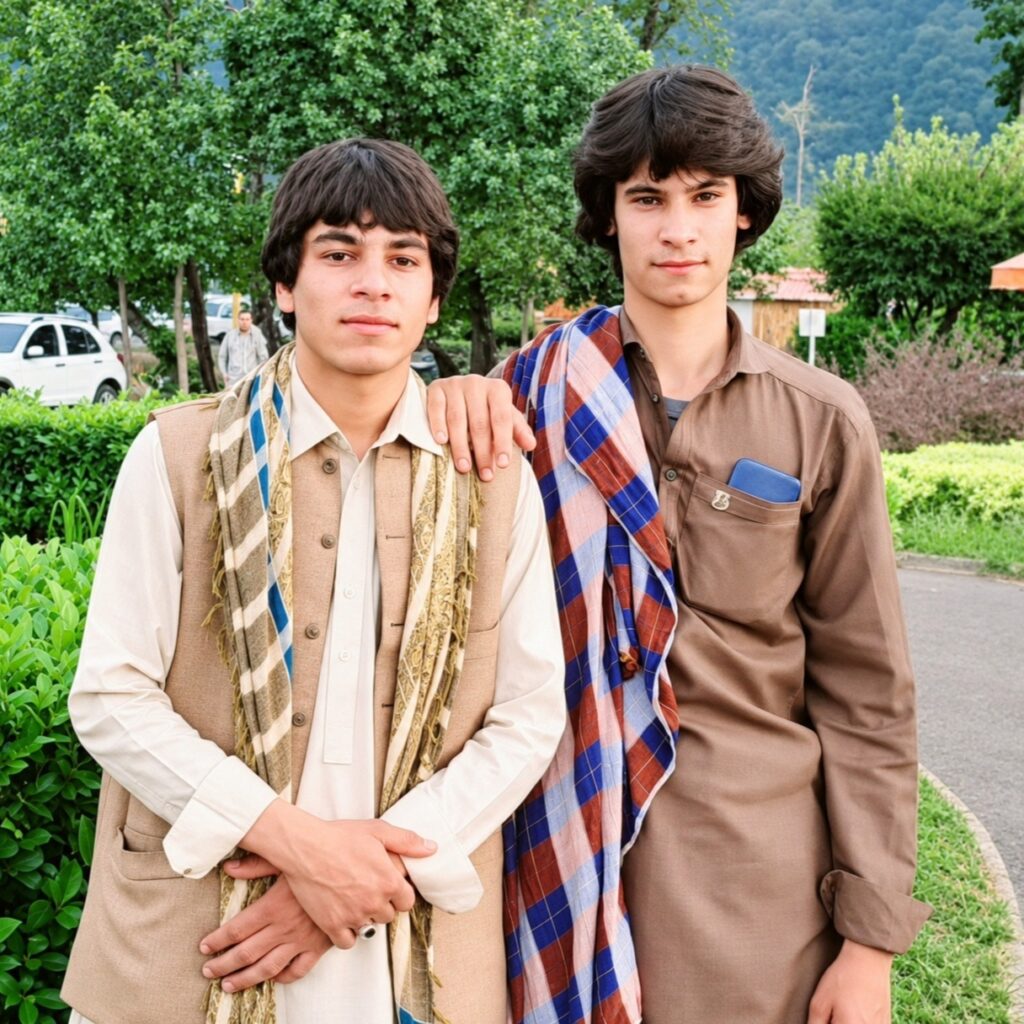
کشاورزان سراوان؛ از کمآبی تا کاهش سهمیه سوخت
تلویزیون رُژن | دوشنبه ۱۸ آبانماه ۱۴۰۵ | ۹ نوامبر ۲۰۲۶
مدیر جهاد کشاورزی سراوان از برنامه توسعه کشتهای گلخانهای و محصولات کمآببَر در این شهرستان خبر داده و گفته است کاهش منابع آب زیرزمینی و بحران کمآبی، ادامه کشت برخی محصولات پرمصرف مانند هندوانه را با محدودیت روبهرو کرده است
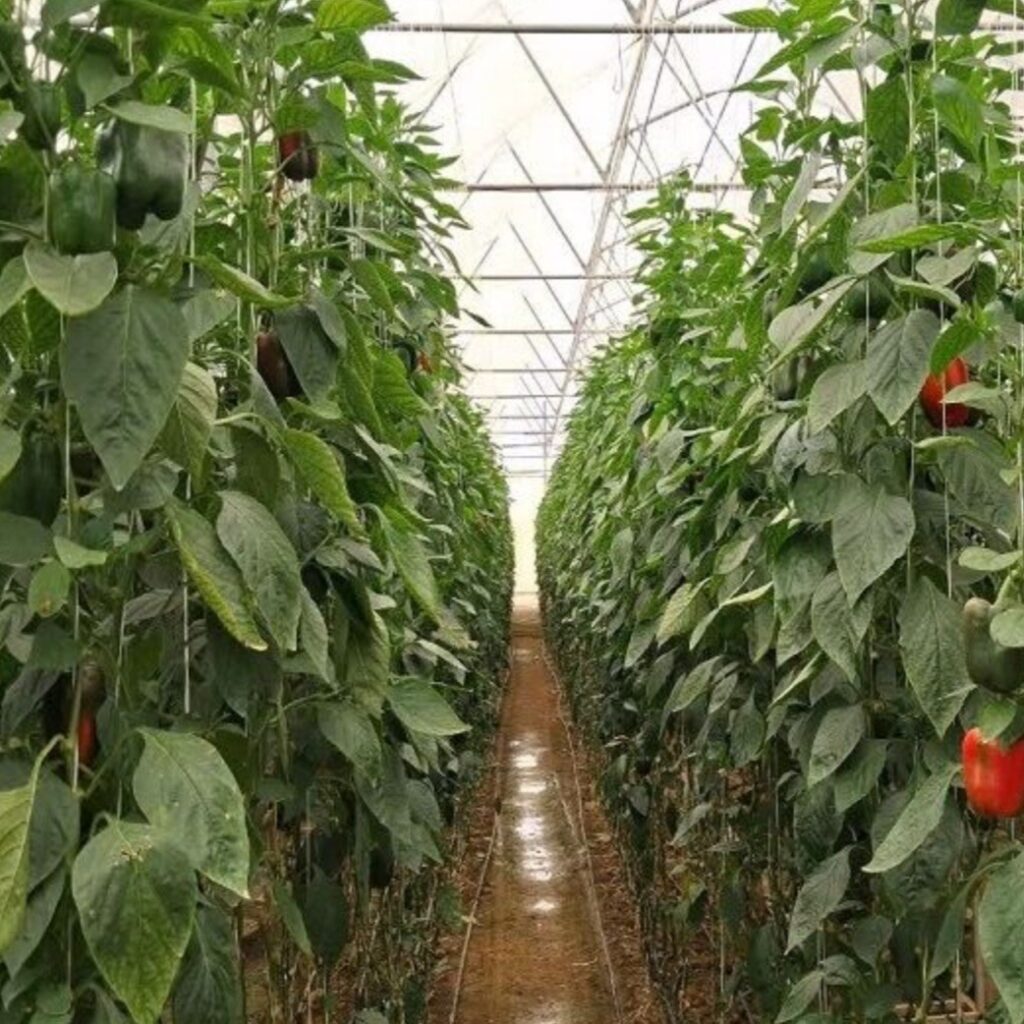
به گفته ایرج رستمزهی، توسعه کشت گلخانهای محصولاتی مانند خیار، گوجهفرنگی، بادمجان و فلفل و همچنین کشت گیاهانی مانند چای ترش و زیره با هدف کاهش مصرف آب دنبال میشود
سراوان بیش از هشت هزار هکتار اراضی باغی و زراعی دارد و حدود یکهزار و ۴۰۰ هکتار آن نخلستان است که به گفته این مقام، سالانه نزدیک به ۲۸ هزار تن خرما تولید میکند
با این حال، کشاورزان سراوان همچنان با مشکلاتی مانند تأمین انرژی و سهمیه سوخت چاههای کشاورزی، ماشینآلات و گلخانهها روبهرو هستند. مدیر جهاد کشاورزی سراوان نیز کاهش سهمیه سوخت را از مشکلات اصلی تولیدکنندگان عنوان کرده است
فعالان بخش کشاورزی همچنین برای توسعه سردخانهها و واحدهای فرآوری خرما درخواست ۳۰۰ تا ۴۰۰ میلیارد تومان تسهیلات کردهاند که به گفته مقامهای محلی، هنوز در حال پیگیری است
برای کشاورزان بلوچ، موفقیت چنین طرحهایی بیش از هر چیز به دسترسی واقعی به آب، انرژی، سوخت، بازار فروش و حمایت عملی از تولیدکنندگان محلی وابسته است
ENSaravan’s Farmers: From Water Shortages to Fuel Quota CutsRead in English
Rozhn TV | Monday, November 9, 2026
The head of Saravan’s Agricultural Jihad Department has announced a plan to expand greenhouse farming and low-water-use crops in the county, saying that declining groundwater resources and the water crisis have made it harder to keep growing water-intensive crops such as watermelon.
According to Iraj Rostamzehi, the expansion of greenhouse cultivation of crops such as cucumbers, tomatoes, eggplants, and peppers, along with the cultivation of plants like sour tea (hibiscus) and cumin, is being pursued to reduce water consumption.
Saravan has more than 8,000 hectares of orchard and farmland, about 1,400 hectares of which are date palm groves that, according to the official, produce nearly 28,000 tons of dates a year.
Even so, Saravan’s farmers still face problems such as securing energy and fuel quotas for agricultural wells, machinery, and greenhouses. The head of the Agricultural Jihad Department also named the cut in fuel quotas as one of producers’ main problems.
Agricultural-sector activists have also requested 300 to 400 billion tomans in credit to develop cold-storage facilities and date-processing units, which local officials say is still being pursued.
For Baloch farmers, the success of such plans depends above all on genuine access to water, energy, fuel, markets, and practical support for local producers.