بلوچستانگزارش بلند
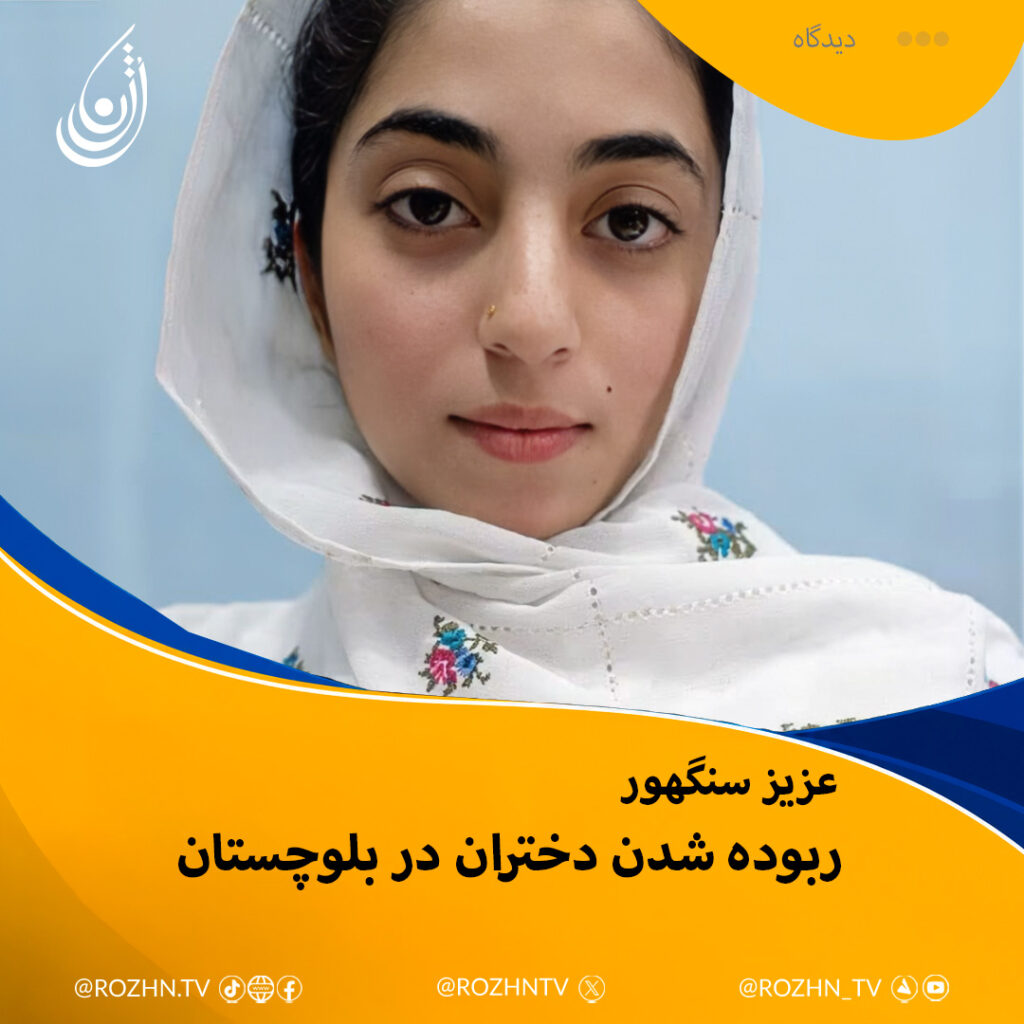
ربوده شدن دختران در بلوچستان
تلویزیون رُژن | جمعه ۲۴ مهرماه ۱۴۰۵ | ۱۶ اکتبر ۲۰۲۶
عزیز سنگھور
در بلوچستان، دیگر نهتنها بیرون رفتن دختران از خانه، بلکه ماندن در خانه نیز تضمینی برای امنیت آنان نیست. گاهی دانشجویان ربوده میشوند، گاهی فعالان سیاسی ناپدید میشوند و اکنون دانشآموزان مقطع افاسسی، دختران کمسنوسال، زنان خانهدار و زنانی که برای حقوق بشر صدا بلند میکنند نیز در معرض ناپدیدسازیهای قهریِ ادعایی قرار گرفتهاند. پرسش این است که قانون، قانون اساسی و ادعاهای مربوط به تأمین امنیت زنان و دختران در بلوچستان در کجا قرار دارند؟ آیا در این منطقه والدین دختری میتوانند اطمینان داشته باشند که دخترشان شب در خانه میخوابد و صبح نیز در کنار آنان خواهد بود؟
ناپدید شدن ادعایی لائبه ستار، دانشآموز ۱۹ ساله از قلات، بار دیگر این پرسش را با تمام شدت مطرح کرده است. به گفته کمیته همبستگی بلوچ (BYC)، لائبه ستار، دختر عبد الستار، دانشآموز مقطع افاسسی است که در شب ۲۹ مارس ۲۰۲۶، حدود ساعت ۹ شب، از قلات ناپدید شده است. این سازمان در ارتباط با ناپدید شدن او از گروههای موسوم به «دث اسکواڈ» نام برده است.
جدیترین جنبه پرونده ناپدید شدن لائبه این است که او یک دانشآموز است و هدف اصلی زندگیاش باید تحصیل و ساختن آیندهای برای خود باشد. اما اگر حتی امنیت یک دانشآموز جوان نیز تضمینشده نباشد، تمام ادعاهای مربوط به آموزش، توسعه و آیندهای روشن بیمعنا میشوند. اساسیترین پرسش والدین او این خواهد بود که دخترشان کجاست؟ در چه وضعیتی به سر میبرد؟ و اگر نهادی یا گروهی او را در اختیار گرفته است، چرا به دادگاه معرفی نمیشود؟
پرونده لائبه ستار یک رویداد منفرد نیست. از جمله این موارد میتوان به مهجبین بلوچ، نسرین پانزدهساله، عایشه بلوچ، شکیله بلوچ، گل بنوک، حسینه بلوچ، زبیده، زرناز بلوچ و حبیبه پیرجان، شاعر زبان بلوچی، اشاره کرد. علاوه بر این، ناپدید شدن یک زن ۶۵ ساله از ڈیرہ بگٹی نیز گزارش شده بود که هویت او بهعنوان همسر شاهل مامدازی بگٹی اعلام شده است.
در ماه اوت، خبر ناپدید شدن صفیه بلوچ منتشر شد. به همین ترتیب، کمیته همبستگی بلوچ در ماه ژوئن نیز موضوع ناپدید شدن ادعایی رضوانه، دانشآموز ۱۶ ساله از کویته، را مطرح کرد. این رویدادها نشان میدهند که مسئله امنیت زنان و دانشآموزان همچنان حلنشده باقی مانده است.
اصطلاح «دث اسکواڈ» در بلوچستان طی سالهای گذشته به بخش مهمی از بحثهای سیاسی و حقوق بشری تبدیل شده است. فعالان حقوق بشر و خانوادههای آسیبدیده بارها گروههای مسلحی را متهم کردهاند که شهروندان، فعالان سیاسی و افرادی را که وابسته به مقاومت تلقی میشوند، هدف قرار میدهند. این گروهها از حمایت دولتی برخوردارند.
در پرونده لائبه ستار نیز پرسش اساسی همین است که او کجاست و چه کسانی مسئول ناپدید شدن او هستند؟ اگر گروهی او را ربوده است، باید در برابر قانون پاسخگو شود. اگر نهادی دولتی درباره او اطلاعاتی دارد، باید این اطلاعات را در اختیار خانوادهاش قرار دهد. و اگر او به اتهامی بازداشت شده است، باید مطابق قانون به دادگاه معرفی شود. نگهداری یک شهروند در مکانی نامعلوم، بیخبر گذاشتن خانواده او و روشن نکردن وضعیت قانونیاش، رویکردی است که پرسشهای جدی درباره عدالت و حاکمیت قانون مطرح میکند.
ربودن غیرقانونی یک زن یا دختر بهدلیل اتهامی که متوجه پدر، برادر، شوهر یا یکی دیگر از بستگان اوست، به هیچوجه قابل قبول نیست. مفهوم مجازات جمعی با اصول بنیادین عدالت در تضاد است. اتهام علیه یکی از اعضای خانواده نمیتواند توجیهی برای مجازات تمام خانواده باشد.
زنانی که در بلوچستان علیه ناپدیدسازیهای قهری صدا بلند میکنند، پیش از این نیز با فشارهای شدید اجتماعی، اقتصادی و روانی روبهرو هستند. اگر اکنون دانشآموزان و دختران کمسنوسال نیز در معرض این ترس قرار گرفتهاند، پیامدهای آن تنها به خانوادههای آسیبدیده محدود نخواهد ماند. این ترس در مدارس، خانهها و سراسر جامعه گسترش خواهد یافت. والدین درباره تحصیل، رفتوآمد و آینده دخترانشان دچار نگرانی و عدم اطمینان خواهند شد.
والدین لائبه ستار نیز این حق را دارند که حقیقت را درباره دخترشان بدانند. اگر او مرتکب جرمی نشده است، باید فوراً آزاد و به خانوادهاش بازگردانده شود و اگر اتهامی علیه او وجود دارد، باید مطابق قانون با او برخورد شود. نگه داشتن خانوادهاش در بیخبری برای مدتی نامحدود، راهحل هیچ مشکلی نیست.
نام دختران بلوچستان اکنون به پرسشی تبدیل شده است: مهجبین، نسرین، عایشه، شکیله، گل بنوک، حسینه، زبیده، زرناز، حبیبه، صفیه، رضوانه و اکنون لائبه ستار. هر یک از این نامها نماینده خانوادهای جداگانه، رؤیایی متفاوت و آیندهای مستقل است. وضعیت کنونی هر یک از آنان باید تأیید و روشن شود و نتیجه شفاف هر پرونده در اختیار افکار عمومی قرار گیرد تا هیچیک از این نامها صرفاً یک خبر تلقی نشود و به فراموشی سپرده نشود.
در پایان، پرسش تنها این نیست که لائبه ستار کجاست. پرسش این است که چه کسی امنیت یک دختر را در بلوچستان تضمین خواهد کرد؟ اگر قانون نمیتواند از یک دانشآموز محافظت کند، اگر دسترسی به دادگاه تضمینشده نیست و اگر والدین حتی به اطلاعاتی درباره دخترشان دسترسی ندارند، پس ادعاهای مربوط به عدالت چه معنایی دارند؟ بازیابی لائبه ستار، پاسخگویی به خانوادهاش و محاکمه مسئولان، دیگر صرفاً یک مطالبه نیست، بلکه ضرورتی بنیادین برای تحقق عدالت است.
ENThe Abduction of Girls in BalochistanRead in English
Rozhn TV | Friday, October 16, 2026
By Aziz Sanghur
In Balochistan, it is no longer only leaving the house that offers girls no guarantee of safety; even staying at home does not. Sometimes students are abducted, sometimes political activists disappear, and now students at the FSc (higher-secondary) level, young girls, housewives and women who raise their voices for human rights have also become exposed to alleged enforced disappearances. The question is: where do the law, the constitution and the claims about ensuring the safety of women and girls in Balochistan stand? Can the parents of a girl in this region be confident that their daughter will sleep at home at night and still be with them in the morning?
The alleged disappearance of Laiba Sattar, a 19-year-old student from Kalat, has raised this question once again with full force. According to the Baloch Yakjehti Committee (BYC), Laiba Sattar, the daughter of Abdul Sattar, is an FSc student who disappeared from Kalat at around 9 p.m. on the night of March 29, 2026. The organization has pointed to groups known as “death squads” in connection with her disappearance.
The most serious aspect of Laiba’s disappearance is that she is a student, and the main purpose of her life should be to study and build a future for herself. But if the safety of even a young student cannot be guaranteed, all claims about education, development and a bright future become meaningless. The most basic question for her parents will be: where is their daughter? What condition is she in? And if an institution or group has taken her into its custody, why has she not been brought before a court?
Laiba Sattar’s case is not an isolated incident. Other such cases include Mahjabeen Baloch, 15-year-old Nasreen, Ayesha Baloch, Shakila Baloch, Gul Banuk, Haseena Baloch, Zubaida, Zarnaz Baloch and Habiba Pirjan, a Balochi-language poet. In addition, the disappearance of a 65-year-old woman from Dera Bugti was also reported; she was identified as the wife of Shahal Mamdazi Bugti.
In August, news emerged of the disappearance of Safia Baloch. Similarly, in June the Baloch Yakjehti Committee raised the alleged disappearance of Rizwana, a 16-year-old student from Quetta. These incidents show that the safety of women and students remains an unresolved issue.
Over the past years, the term “death squads” has become an important part of political and human rights discourse in Balochistan. Human rights activists and affected families have repeatedly accused armed groups of targeting citizens, political activists and people perceived to be linked to the resistance. These groups enjoy state backing.
In Laiba Sattar’s case, too, the fundamental question is the same: where is she, and who is responsible for her disappearance? If a group has abducted her, it must be held accountable before the law. If a state institution has information about her, it must share that information with her family. And if she has been detained on a charge, she must be brought before a court in accordance with the law. Holding a citizen in an unknown location, keeping her family in the dark and failing to clarify her legal status is an approach that raises serious questions about justice and the rule of law.
The unlawful abduction of a woman or girl because of an accusation against her father, brother, husband or another relative is in no way acceptable. The concept of collective punishment runs counter to the fundamental principles of justice. An accusation against one member of a family cannot justify punishing the entire family.
Women in Balochistan who raise their voices against enforced disappearances already face severe social, economic and psychological pressure. If students and young girls are now also exposed to this fear, the consequences will not be confined to the affected families. The fear will spread through schools, homes and society as a whole. Parents will become anxious and uncertain about their daughters’ education, movements and future.
Laiba Sattar’s parents, too, have the right to know the truth about their daughter. If she has committed no crime, she must be released immediately and returned to her family, and if there is a charge against her, she must be dealt with in accordance with the law. Keeping her family in the dark indefinitely is no solution to any problem.
The names of Balochistan’s daughters have now become a question: Mahjabeen, Nasreen, Ayesha, Shakila, Gul Banuk, Haseena, Zubaida, Zarnaz, Habiba, Safia, Rizwana and now Laiba Sattar. Each of these names represents a separate family, a different dream and a future of its own. The current status of each of them must be confirmed and clarified, and the outcome of every case must be made transparently public, so that none of these names is treated as just another news item and consigned to oblivion.
In the end, the question is not only where Laiba Sattar is. The question is: who will guarantee a girl’s safety in Balochistan? If the law cannot protect a student, if access to the courts is not guaranteed and if parents cannot even obtain information about their daughter, then what do claims of justice mean? The recovery of Laiba Sattar, answers for her family and the prosecution of those responsible are no longer merely a demand; they are a fundamental necessity for justice to be served.