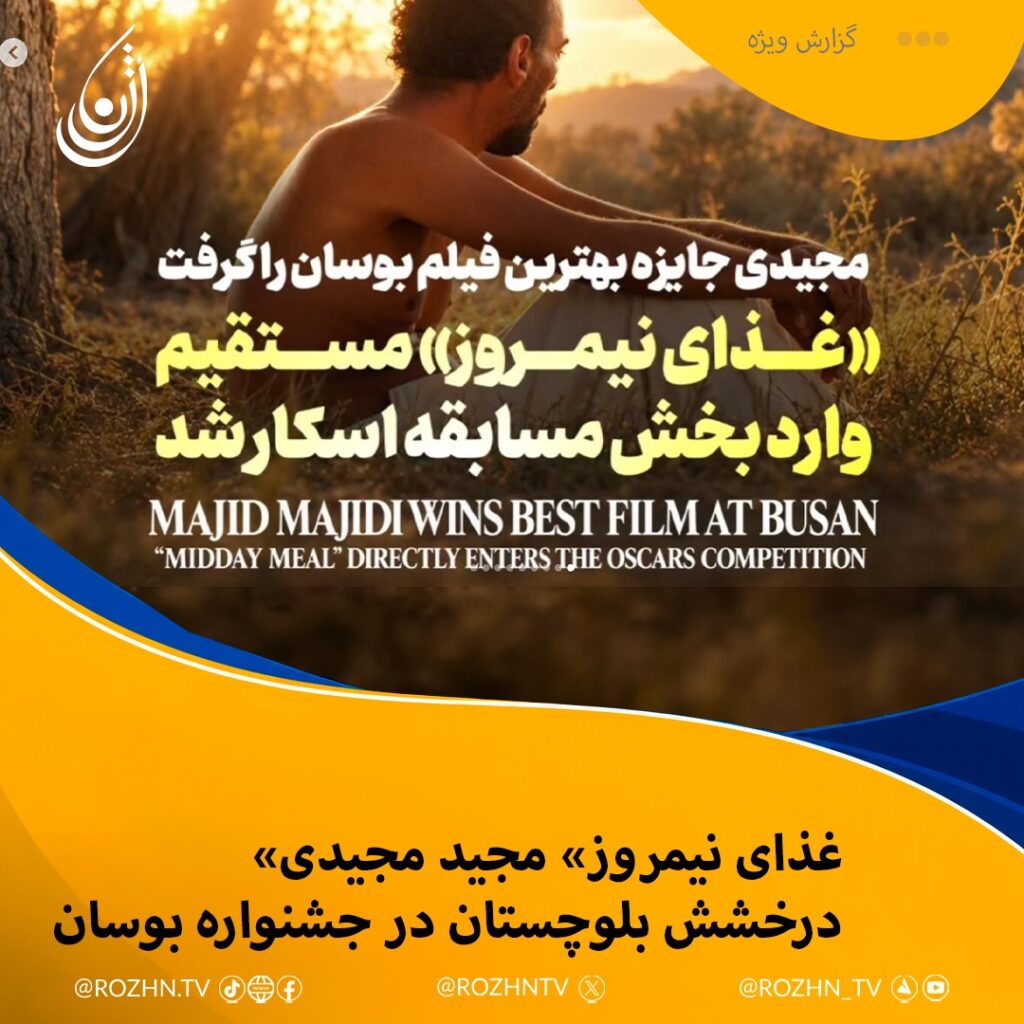
درخشش بلوچستان بر پرده سینمای جهان؛ «غذای نیمروز» مجید مجیدی برنده جایزه بهترین فیلم جشنواره بوسان شد
تلویزیون رُژن | پنجشنبه ۲۳ مهرماه ۱۴۰۵ | ۱۵ اکتبر ۲۰۲۶
فیلم سینمایی «غذای نیمروز» به کارگردانی مجید مجیدی، فیلمساز شناختهشده ایرانی، که داستان آن در منطقه بلوچستان روایت میشود و فیلمبرداری آن در چابهار انجام شده است، موفق شد جایزه بهترین فیلم سیویکمین جشنواره بینالمللی فیلم بوسان در کره جنوبی را به دست آورد.
به گزارش بخش فرهنگی، فیلم «غذای نیمروز» (Midday Meal)، تازهترین ساخته مجید مجیدی، روز پنجشنبه ۱۵ اکتبر ۲۰۲۶ در مراسم اختتامیه جشنواره بینالمللی فیلم بوسان موفق به دریافت مهمترین جایزه بخش رقابتی این رویداد شد.
هیئت داوران هفتنفره جشنواره به ریاست ژانگ ییمو، کارگردان سرشناس چینی، این فیلم را به اتفاق آرا بهعنوان بهترین فیلم انتخاب کرد. این موفقیت همچنین مسیر حضور اثر در مرحله بررسی برای رقابت در بخش بهترین فیلم بلند بینالمللی جوایز اسکار را فراهم کرده است.
روایتی از زندگی یک معلم در بلوچستان
«غذای نیمروز» داستان معلمی به نام سولان را روایت میکند که در روستایی محروم و دورافتاده در منطقه چابهار تدریس میکند. او با وجود درآمد اندک و دشواریهای زندگی، تلاش دارد شرایط تحصیل کودکان روستا را حفظ کند و در عین حال آیندهای بهتر برای خود و مادرش بسازد.
اما با درگذشت فرد خیری که هزینه غذای دانشآموزان را تأمین میکرد، وضعیت مدرسه بحرانی میشود. بسیاری از کودکان که غذای مدرسه بخش مهمی از نیاز روزانه آنان را تأمین میکند، در آستانه ترک تحصیل قرار میگیرند.
سولان برای جلوگیری از تعطیلی مدرسه، ناچار میشود تصمیمهایی دشوار بگیرد؛ تصمیمهایی که بهتدریج زندگی شخصی، موقعیت شغلی و باورهای اخلاقی او را تحت تأثیر قرار میدهد.
در این فیلم، محمد رحیمی نقش اصلی را ایفا میکند و روایت داستان در کنار مسائل آموزشی، به موضوعاتی همچون فقر، مسئولیت اجتماعی، کمبود امکانات و دشواری انتخابهای انسانی میپردازد.
بازگشت مجید مجیدی به بلوچستان پس از بیش از سه دهه
مجید مجیدی از چهرههای شناختهشده سینمای ایران در عرصه بینالمللی است. او با آثاری همچون «بچههای آسمان»، «رنگ خدا»، «باران» و «آواز گنجشکها» جایگاه ویژهای در سینمای اجتماعی و انسانگرایانه پیدا کرده است.
فیلم «بچههای آسمان» در سال ۱۹۹۹ نامزد دریافت جایزه اسکار بهترین فیلم خارجیزبان شد و نام مجیدی را بیش از پیش در سینمای جهان مطرح کرد.
با این حال، ارتباط سینمایی مجیدی با بلوچستان به سالها پیش بازمیگردد.
او در سال ۱۹۹۲ نخستین فیلم بلند خود با عنوان «بدوک» را با موضوع قاچاق و بهرهکشی از کودکان در منطقه سیستان و بلوچستان ساخت. این اثر در بخش دو هفته کارگردانان جشنواره کن نیز به نمایش درآمد.
اکنون پس از گذشت ۳۴ سال، مجیدی با «غذای نیمروز» بار دیگر به بلوچستان بازگشته است؛ منطقهای که زندگی کودکان، نابرابریهای اجتماعی و دشواریهای معیشتی آن پیشتر نیز الهامبخش یکی از آثار مهم آغاز دوران فیلمسازی او بوده است.
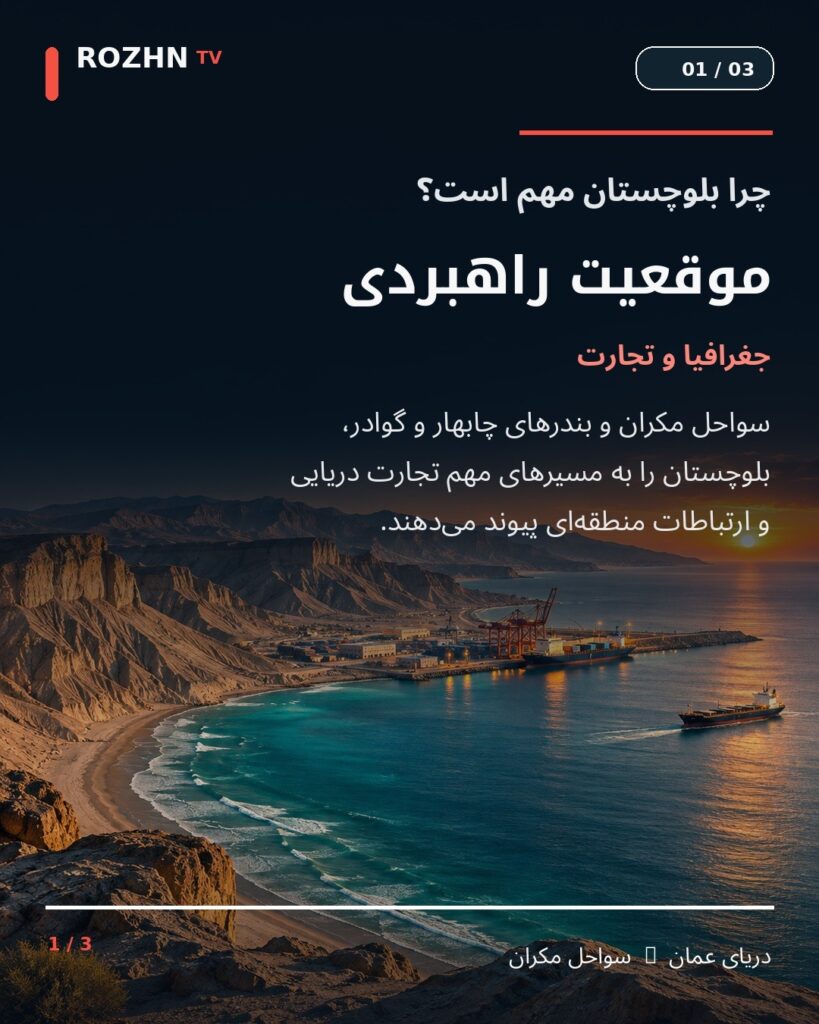
بلوچستان؛ فراتر از یک موقعیت جغرافیایی
انتخاب بلوچستان بهعنوان محل روایت «غذای نیمروز» از جنبه فرهنگی و اجتماعی اهمیت ویژهای دارد.
بلوچستان سرزمینی با پیشینه تاریخی، فرهنگ غنی، زبان، موسیقی و سنتهای دیرینه است؛ اما در بسیاری از روایتهای رسانهای، تصویر این منطقه عمدتاً با محرومیت اقتصادی، مسائل مرزی و مشکلات اجتماعی پیوند خورده است.
حضور فیلمی از یک کارگردان شناختهشده در جشنوارهای معتبر میتواند فرصتی برای جلب توجه مخاطبان جهانی به زندگی مردم این منطقه باشد.
با این وجود، نمایش دشواریهای اجتماعی تنها یکی از ابعاد شناخت بلوچستان است. پرداختن به فرهنگ، هویت، تجربههای روزمره، امیدها و تواناییهای مردم بلوچ نیز میتواند تصویری کاملتر و انسانیتر از این سرزمین ارائه دهد.
از همین منظر، موفقیت «غذای نیمروز» علاوه بر اهمیت سینمایی، پرسشی مهم را مطرح میکند: چگونه میتوان از زندگی مردم مناطق کمتر دیدهشده فیلم ساخت، بیآنکه هویت و تنوع فرهنگی آنان زیر سایه مشکلات اقتصادی قرار گیرد؟
استقبال منتقدان بینالمللی
نمایش «غذای نیمروز» در جشنواره بوسان با توجه منتقدان رسانههای سینمایی بینالمللی همراه شد.
نشریات معتبر سینمایی از جمله Variety، Screen International و The Film Verdict در نقدهای خود به بازی محمد رحیمی، شیوه روایت مجیدی و نمایش کشمکشهای اخلاقی شخصیت اصلی پرداختهاند.
فیلمبرداری اثر توسط هومن بهمنش نیز از جنبههای مورد توجه منتقدان بوده است؛ بهویژه در نمایش چشماندازهای خشک و گسترده منطقه چابهار و پیوند آنها با شرایط زندگی شخصیتهای داستان.
«غذای نیمروز» محصول سال ۲۰۲۶ و با مدتزمان ۱۳۳ دقیقه ساخته شده و از تولیدات کانون پرورش فکری کودکان و نوجوانان به شمار میرود.
فرصتی برای دیدهشدن داستانهای بلوچستان
موفقیت «غذای نیمروز» در جشنواره بوسان نشان میدهد که روایتهای محلی و داستانهای برگرفته از زندگی مردم مناطق دور از مراکز اصلی تولید سینما نیز میتوانند توجه مخاطبان و داوران بینالمللی را جلب کنند.
در عین حال، این موفقیت میتواند زمینهساز گفتوگوهای تازهای درباره ضرورت حضور بیشتر فیلمسازان بومی بلوچ در عرصه سینما باشد؛ هنرمندانی که با شناخت مستقیم از زبان، فرهنگ و واقعیتهای اجتماعی منطقه، امکان روایت داستانهای بلوچستان از زاویه دید خود مردم را دارند.
«غذای نیمروز» بار دیگر نام بلوچستان را با یکی از مهمترین رویدادهای سینمایی آسیا پیوند زده است؛ سرزمینی که داستانهای ناگفته فراوانی دارد و ظرفیت آن برای حضور در سینمای جهان بسیار فراتر از یک فیلم یا یک جشنواره است.
ENBalochistan Shines on the World Cinema Screen: Majid Majidi’s “Midday Meal” Wins Best Film at Busan FestivalRead in English
Rozhn TV | Thursday, October 15, 2026
The feature film “Midday Meal,” directed by the well-known Iranian filmmaker Majid Majidi, whose story is set in the Balochistan region and was filmed in Chabahar, has won the award for best film at the 31st Busan International Film Festival in South Korea.
According to the culture desk, “Midday Meal,” Majid Majidi’s latest work, won the most important award in the festival’s competition section at the closing ceremony of the Busan International Film Festival on Thursday, October 15, 2026.
The festival’s seven-member jury, headed by the renowned Chinese director Zhang Yimou, unanimously chose the film as best film. This success has also paved the way for the film to be considered for competition in the Best International Feature Film category at the Academy Awards.
The Story of a Teacher in Balochistan
“Midday Meal” tells the story of a teacher named Solan who teaches in a deprived and remote village in the Chabahar region. Despite his meager income and the hardships of his life, he strives to keep the village children’s education going while also building a better future for himself and his mother.
But with the death of a benefactor who paid for the students’ meals, the school falls into crisis. Many of the children, for whom the school meal covers an important part of their daily needs, are on the verge of dropping out.
To keep the school from closing, Solan is forced to make difficult decisions, decisions that gradually affect his personal life, his professional standing and his moral beliefs.
In the film, Mohammad Rahimi plays the lead role, and alongside educational issues the story deals with themes such as poverty, social responsibility, lack of facilities and the difficulty of human choices.
Majid Majidi’s Return to Balochistan After More Than Three Decades
Majid Majidi is one of the best-known figures of Iranian cinema on the international stage. With works such as “Children of Heaven,” “The Color of Paradise,” “Baran” and “The Song of Sparrows,” he has earned a special place in socially engaged and humanist cinema.
In 1999, “Children of Heaven” was nominated for the Academy Award for Best Foreign Language Film, bringing Majidi’s name even more prominently to world cinema.
However, Majidi’s cinematic connection with Balochistan goes back many years.
In 1992 he made his first feature film, “Baduk,” about the smuggling and exploitation of children in the Sistan and Baluchestan region. The work was also screened in the Directors’ Fortnight section of the Cannes Film Festival.
Now, 34 years later, Majidi has returned to Balochistan with “Midday Meal”; a region whose children’s lives, social inequalities and livelihood hardships had earlier inspired one of the important works of the beginning of his filmmaking career.
Balochistan: More Than a Geographical Location
The choice of Balochistan as the setting of “Midday Meal” carries particular cultural and social significance.
Balochistan is a land with a historical past, a rich culture, language, music and ancient traditions; yet in many media narratives, the image of the region has been largely tied to economic deprivation, border issues and social problems.
The presence of a film by a well-known director at a prestigious festival can be an opportunity to draw the attention of a global audience to the lives of the people of this region.
Nevertheless, showing social hardship is only one dimension of understanding Balochistan. Addressing the culture, identity, everyday experiences, hopes and capabilities of the Baloch people can also offer a fuller and more humane picture of this land.
From this perspective, the success of “Midday Meal,” beyond its cinematic importance, raises an important question: how can films be made about the lives of people in less-seen regions without their identity and cultural diversity being overshadowed by economic problems?
International Critics’ Reception
The screening of “Midday Meal” at the Busan festival drew the attention of critics at international film media.
Reputable film publications including Variety, Screen International and The Film Verdict, in their reviews, have addressed Mohammad Rahimi’s performance, Majidi’s narrative approach and the portrayal of the lead character’s moral struggles.
The cinematography by Houman Behmanesh has also been among the aspects noted by critics, particularly in depicting the dry, vast landscapes of the Chabahar region and linking them to the characters’ living conditions.
“Midday Meal” is a 2026 production with a running time of 133 minutes and is considered a production of the Institute for the Intellectual Development of Children and Young Adults (Kanoon).
An Opportunity for Balochistan’s Stories to Be Seen
The success of “Midday Meal” at the Busan festival shows that local narratives and stories drawn from the lives of people in regions far from the main centers of film production can also attract the attention of international audiences and juries.
At the same time, this success could lay the ground for fresh conversations about the need for a greater presence of native Baloch filmmakers in cinema; artists who, with direct knowledge of the region’s language, culture and social realities, are able to tell Balochistan’s stories from the perspective of its own people.
“Midday Meal” has once again linked the name of Balochistan with one of the most important cinema events in Asia; a land with many untold stories, whose capacity to be present in world cinema goes far beyond a single film or a single festival.