پایان هفت سال درگیری؛ صلح و سازش میان تیره لوارزهی و طایفه نارویی در زاهدان
بر اساس اطلاعات منتشرشده، روز پنجشنبه ۱۶ مهرماه، شماری از اعضای تیره لوارزهی از طایفه براهویی و طایفه نارویی در شهرستان زاهدان پس از حدود هفت سال اختلاف و…
تلویزیون رُژن | جمعه ۱۷ مهرماه ۱۴۰۵ | ۹ اکتبر ۲۰۲۶
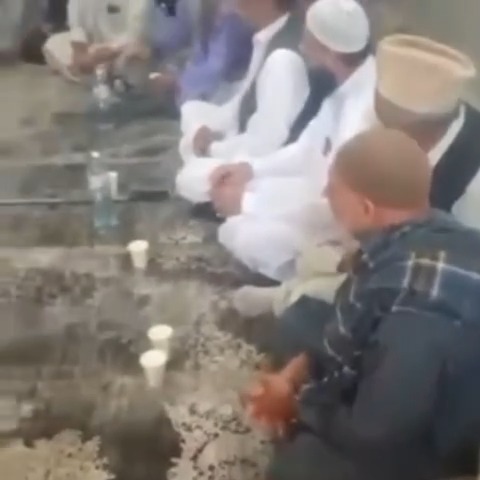
بر اساس اطلاعات منتشرشده، روز پنجشنبه ۱۶ مهرماه، شماری از اعضای تیره لوارزهی از طایفه براهویی و طایفه نارویی در شهرستان زاهدان پس از حدود هفت سال اختلاف و درگیری، با میانجیگری ریشسفیدان و بزرگان دو طرف به صلح و سازش رسیدند
این توافق در مراسمی با حضور بزرگان، معتمدان و اعضای دو طایفه در زاهدان صورت گرفت و طرفین بر پایان اختلافات و جلوگیری از ادامه خشونتها تأکید کردند
درگیریهای چندساله میان دو طرف به جانباختن افرادی از هر دو سو انجامیده بود و سالها بر خانوادهها و جامعه محلی سایه انداخته بود
تصمیم خانوادهها و بزرگان دو طرف برای پایاندادن به این چرخه خشونت، اقدامی مسئولانه و شایسته احترام است؛ تصمیمی که میتواند مانع از جانباختن افراد بیشتری شود و زمینه بازگشت آرامش، امنیت و اعتماد میان خانوادهها را فراهم کند
در شرایطی که اختلافات طولانی میتواند نسلهای بعدی را نیز درگیر کند، انتخاب گفتوگو، گذشت و صلح از سوی خانوادهها و بزرگان دو طایفه، پیامی مهم برای جامعه دارد؛ اینکه حفظ جان انسانها و آینده فرزندان، میتواند بر ادامه دشمنی و انتقام ترجیح داده شود
میانجیگری ریشسفیدان و معتمدان محلی از شیوههای سنتی حل اختلافات در بلوچستان به شمار میرود و در این مورد نیز نقش آنان در نزدیککردن دو طرف و رسیدن به توافق، برجسته بوده است
امید میرود این صلح پایدار بماند و الگویی برای حل مسالمتآمیز دیگر اختلافات و جلوگیری از تکرار خشونت در منطقه باشد
ENEnd of Seven Years of Conflict: Peace and Reconciliation Between the Lavarzehi Clan and the Narui Tribe in ZahedanRead in English
Rozhn TV | Friday, October 9, 2026
According to published information, on Thursday, 16 Mehr (October 8), a number of members of the Lavarzehi clan of the Brahui tribe and the Narui tribe in Zahedan County reached peace and reconciliation after about seven years of dispute and conflict, through the mediation of elders and leaders of both sides.
The agreement was made at a ceremony in Zahedan attended by elders, respected local figures and members of the two tribes, and the parties stressed the end of the disputes and the prevention of further violence.
The years-long clashes between the two sides had led to the deaths of people from both sides and had cast a shadow over the families and the local community for years.
The decision of the families and elders of both sides to end this cycle of violence is a responsible step that deserves respect; a decision that can prevent more people from losing their lives and lay the ground for the return of calm, security and trust between the families.
At a time when prolonged disputes can drag in later generations as well, the choice of dialogue, forgiveness and peace by the families and elders of the two tribes carries an important message for society: that protecting human lives and children’s futures can take precedence over continued enmity and revenge.
Mediation by elders and respected local figures is regarded as one of the traditional methods of resolving disputes in Balochistan, and in this case too their role in bringing the two sides together and reaching an agreement was prominent.
It is hoped this peace will last and become a model for the peaceful resolution of other disputes and for preventing the recurrence of violence in the region.