
بلوچستان · ویدیو
جنگ، چه واژهای تلخ و دردناک است
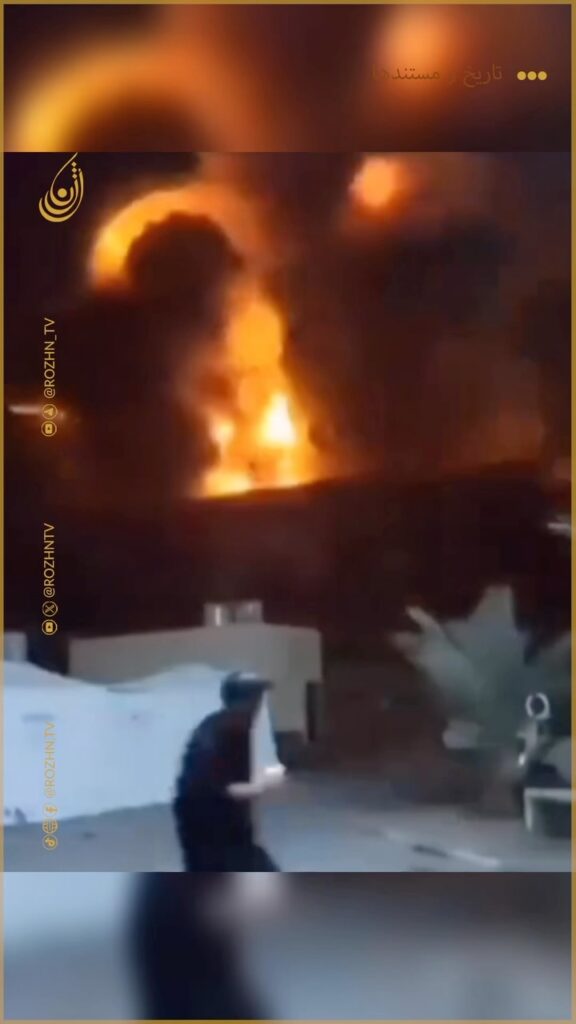
تلویزیون رُژن | امروز یکشنبه ۸ تیر ۱۴۰۴ خورشیدی، برابر با ۲۹ ژوئن ۲۰۲۵ میلادی است
حتی تصور آن میتواند نفس را در سینه حبس کند. باور آن دشوار است که انسان، با تمام ادعای عقلانیت، همچنان قادر است چنین بیرحمانه بر همنوع خود ظلم کند.
تصاویری که از مناطق درگیر منتشر میشود — کودکانی که زیر آوار ماندهاند، مادرانی که عزیزان خود را در آغوش میفشارند، و محلههایی که به تلی از خاکستر بدل شدهاند — سؤالی اساسی را پیش میکشد: آیا قدرتطلبی برخی دولتها آنچنان وجدانها را خاموش کرده که حتی اشک کودکان را نمیبینند؟
ما در قرنی زندگی میکنیم که آن را «مدرن» مینامیم. اما بمباران، ویرانی و اقتدارگرایی همچنان بخشی از واقعیت روزمره بسیاری از مناطق جهان است.
نهادهای بینالمللی بارها هشدار دادهاند که نقض حقوق بشر و اصول بشردوستانه، بهویژه در قبال غیرنظامیان، به بحرانی اخلاقی در سطح جهانی منجر شده است.
در میان بحرانهای اخیر، خبرهایی از آتشبس منتشر شده است؛ اخباری که برخی تحلیلگران آن را نه نشانهی صلح، بلکه بخشی از روندهای سیاسی موجود ارزیابی میکنند. در این میان، پرسشهایی دربارهی هزینههایی که مردم عادی در جریان تصمیمات سیاسی میپردازند، بار دیگر مطرح شده است. آیا ممکن است روزی صلح، نه در قالب شعار رسانهای، بلکه بهعنوان واقعیتی پایدار در زندگی جوامع انسانی تحقق یابد؟
گاهی این پرسش به ذهن میرسد که آیا ما واقعاً از تاریخ آموختهایم؟ نکند به دورانی بازگشتهایم که منطق زور و شمشیر بر گفتوگو و انسانیت چیره بود؟ شاید روح همان مستبدان گذشته، اکنون در قالبهای جدید و قدرتهای کوچکتر، همچنان در میان ما حضور دارد.
اما کاش اینگونه نبود. کاش میتوانستیم جهانی را ببینیم بدون جنگ، بدون موشک، و بدون صدای گریهی کودکان. دنیایی که در آن، به جای آوار، لبخند باشد؛ به جای اشک، امید؛ و به جای نفرت، گفتوگو.
در جهانی که به لطف تکنولوژی به هم پیوستهتر از همیشه شده، وجدان جمعی ما نباید از صدای انسانهایی که در آتش جنگ میسوزند، غافل بماند.
ENWar, What a Bitter and Painful WordRead in English
Rozhn TV | Sunday, June 29, 2025
Even imagining it can take the breath away. It is hard to believe that human beings, for all their claims to rationality, are still capable of oppressing their fellow human beings so ruthlessly.
The images published from conflict zones — children trapped under rubble, mothers clutching their loved ones, and neighborhoods turned into heaps of ash — raise a fundamental question: has some governments’ lust for power silenced consciences so thoroughly that they cannot even see children’s tears?
We live in a century that we call “modern.” Yet bombing, destruction and authoritarianism remain part of the daily reality of many regions of the world.
International bodies have repeatedly warned that violations of human rights and humanitarian principles, particularly against civilians, have led to a moral crisis at the global level.
Amid the recent crises, news of a ceasefire has emerged; news that some analysts assess not as a sign of peace but as part of existing political processes. Meanwhile, questions have again been raised about the costs ordinary people pay as a result of political decisions. Is it possible that one day peace will be realized, not as a media slogan, but as a lasting reality in the life of human societies?
Sometimes the question comes to mind: have we really learned from history? Have we not returned to an era in which the logic of force and the sword prevailed over dialogue and humanity? Perhaps the spirit of those despots of the past is still among us, now in new forms and smaller powers.
But if only it were not so. If only we could see a world without war, without missiles, and without the sound of children crying. A world in which there is a smile instead of rubble; hope instead of tears; and dialogue instead of hatred.
In a world that, thanks to technology, is more interconnected than ever, our collective conscience must not turn away from the voices of people burning in the fire of war.



