ایران · ویدیو
درخواست حذف واتساپ؛ نگرانی امنیتی یا کنترل ارتباطات؟
تلویزیون رُژن | پنجشنبه ۲۹ خرداد ۱۴۰۴ خورشیدی / ۱۹ ژوئن ۲۰۲۵ میلادی
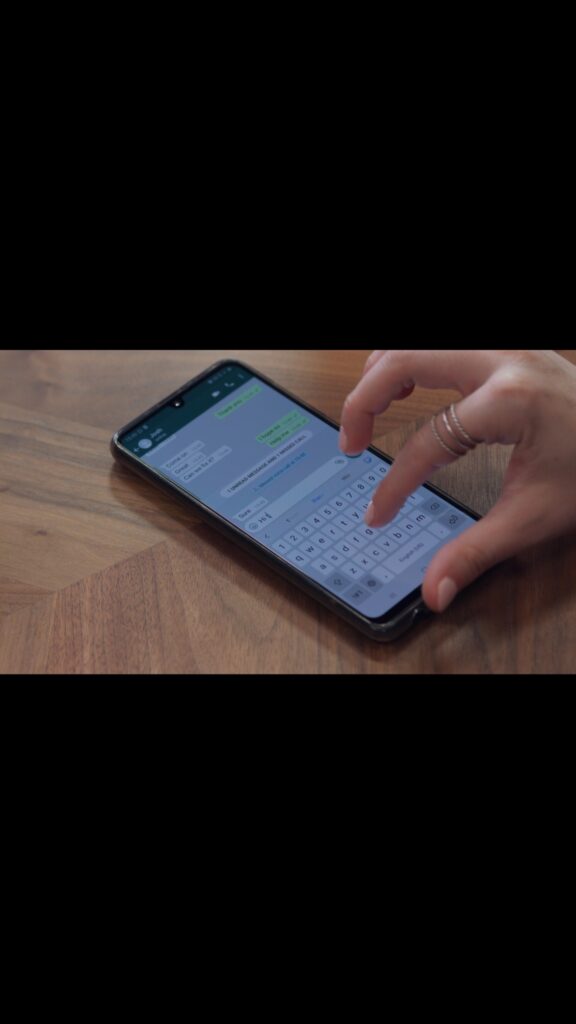
مقامات ایران از کاربران خواستهاند اپلیکیشن واتساپ را از تلفنهای همراه خود حذف کنند. این درخواست با استناد به نگرانیهای امنیتی و احتمال دسترسی طرفهای خارجی از جمله اسرائیل به دادههای کاربران مطرح شده است. اما منتقدان میگویند این اقدام میتواند دسترسی آزاد شهروندان به ارتباطات، اطلاعات و منابع مستقل را محدود کند. شرکت متا، مالک واتساپ، ضمن رد این اتهامات تأکید کرده که پیامها با رمزگذاری سرتاسری محافظت میشوند. برخی کارشناسان نیز هشدار دادهاند که حتی در صورت رمزگذاری، فرادادهها میتوانند برای ردیابی کاربران استفاده شوند.
آیا واتساپ امن است؟
پاسخ ساده نیست: هم بله، هم خیر — بستگی دارد به اینکه چطور استفاده میکنید و چه سطحی از امنیت انتظار دارید.
واتساپ برای استفاده روزمره نسبتاً امن است، چون:
* پیامها و تماسها بهصورت سرتاسری رمزگذاری میشوند، یعنی فقط شما و گیرنده میتوانید محتوای پیام را ببینید.
* این رمزگذاری بر پایه پروتکل معتبر Signal انجام شده و مورد تأیید بسیاری از متخصصان امنیت سایبری است.
اما این همه ماجرا نیست. نگرانیهای واقعی هم وجود دارد:
* * فرادادهها (metadata) رمزگذاری نمیشوند. یعنی واتساپ میداند با چه کسی، چه زمانی، و چقدر صحبت کردهاید. این اطلاعات میتواند در شرایطی به نهادهای دیگر منتقل شود.
* * * اگر پشتیبانگیری ابری (روی Google Drive یا iCloud) را فعال کردهاید، ممکن است نسخههای پشتیبان شما رمزگذاری نشده باشند.
* واتساپ متعلق به شرکت متا (فیسبوک) است و بخشی از دادههای شما ممکن است برای اهداف تبلیغاتی و تجاری استفاده شود.
اگر امنیت بیشتر برایتان مهم است:
* پشتیبانگیری ابری را غیرفعال کنید.
* تأیید دو مرحلهای را فعال کنید.
* * * * * اگر نگران حریم خصوصی هستید، از پیامرسانهایی مانند سیگنال (Signal) یا سشن (Session) استفاده کنید.
امنیت مطلق وجود ندارد — اما آگاهی، گام اول حفاظت است.
ENCall to Delete WhatsApp: Security Concern or Control of Communications?Read in English
Rozhn TV | Thursday, June 19, 2025
Iranian officials have asked users to delete the WhatsApp app from their mobile phones. The request has been made citing security concerns and the possibility that foreign parties, including Israel, could access user data. Critics, however, say the move could restrict citizens’ free access to communications, information and independent sources. Meta, WhatsApp’s owner, has rejected the allegations and stressed that messages are protected by end-to-end encryption. Some experts have also warned that even with encryption, metadata can be used to track users.
Is WhatsApp safe? The answer is not simple: both yes and no, depending on how you use it and what level of security you expect.
WhatsApp is relatively safe for everyday use, because:
* Messages and calls are end-to-end encrypted, meaning only you and the recipient can see the content of the message.
* This encryption is based on the well-established Signal protocol and is endorsed by many cybersecurity experts.
But that is not the whole story. There are real concerns too:
* * Metadata is not encrypted. That means WhatsApp knows whom you have talked to, when, and for how long. In some circumstances this information can be passed on to other bodies.
* * * If you have enabled cloud backup (on Google Drive or iCloud), your backups may not be encrypted.
* WhatsApp belongs to Meta (Facebook), and some of your data may be used for advertising and commercial purposes.
If greater security matters to you:
* Disable cloud backup.
* Enable two-step verification.
* * * * * If you are worried about privacy, use messengers such as Signal or Session.
Absolute security does not exist, but awareness is the first step of protection.