
بلوچستان · ویدیو
نگاهی به مرگومیر مادران و کودکان در بلوچستان و عوامل آن
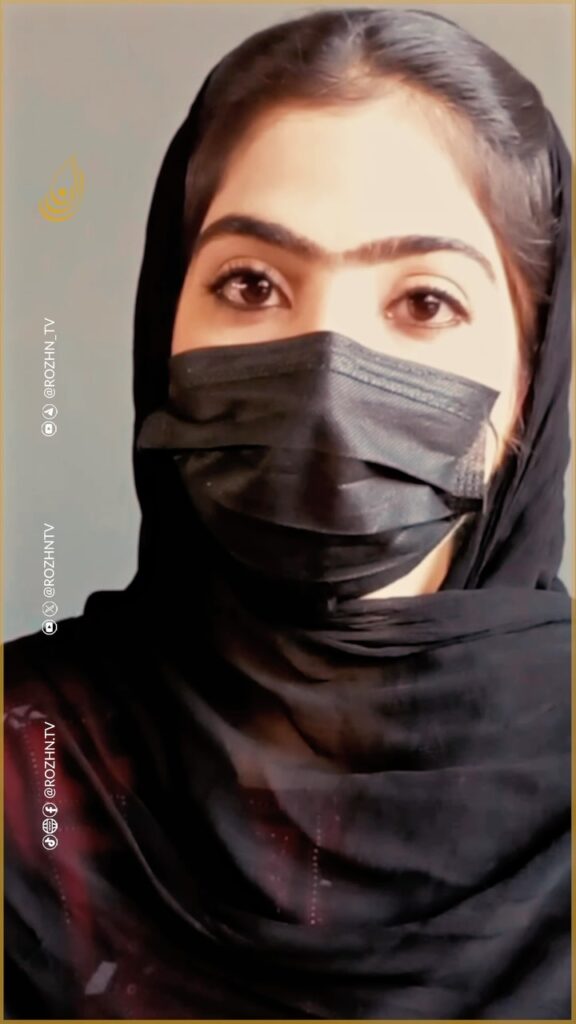
بلوچستان با نرخهای نگرانکنندهای از مرگ و میر مادران و کودکان روبهروست. کمبود تسهیلات بهداشتی و درمانی و عدم دسترسی به خدمات پزشکی در حین زایمان از عوامل اصلی این مشکل است. همچنین، کمبود ماماهای سنتی و آموزشدیده و عدم آگاهی کافی در این زمینه وضعیت را تشدید میکند.
تحلیل پزشکی: مرگ و میر مادران و کودکان در بلوچستان به عنوان یک بحران بهداشت عمومی شناخته میشود و تحت تأثیر عوامل اجتماعی، اقتصادی و فرهنگی است.
1. کمبود تسهیلات بهداشتی: نبود مراکز درمانی و دسترسی محدود به خدمات پزشکی، بهویژه در مناطق روستایی، سلامت مادران و نوزادان را تهدید میکند.
2. نقص در آموزش و آگاهی: کمبود ماماهای سنتی و عدم آموزشهای لازم، آگاهی از مراقبتهای زایمانی را محدود کرده و خطر عوارض جدی را افزایش میدهد.
3. کمبود ماماهای آموزشدیده: عدم وجود ماماهای متخصص در جامعه به افزایش مرگ و میر مادران و کودکان منجر میشود. ماماها نقش حیاتی در مراقبت از مادران و نوزادان دارند و نبود آنها خطرات جدی ایجاد میکند.
برای بهبود این وضعیت، ایجاد زیرساختهای بهداشتی، آموزش ماماها و افزایش آگاهی عمومی ضروری است. همکاری بین نهادهای دولتی و غیردولتی نیز میتواند به کاهش مرگ و میر کمک کند.
ENA Look at Maternal and Child Mortality in Balochistan and Its CausesRead in English
Balochistan faces worrying rates of maternal and child mortality. The lack of health and medical facilities and the lack of access to medical services during childbirth are among the main causes of this problem. The shortage of traditional and trained midwives and insufficient awareness in this area also aggravate the situation.
Medical analysis: Maternal and child mortality in Balochistan is recognized as a public health crisis and is influenced by social, economic and cultural factors.
1. Lack of health facilities: The absence of medical centers and limited access to medical services, especially in rural areas, threaten the health of mothers and newborns.
2. Deficiencies in education and awareness: The shortage of traditional midwives and the lack of necessary training have limited awareness of childbirth care and increased the risk of serious complications.
3. Shortage of trained midwives: The absence of specialist midwives in the community leads to an increase in maternal and child mortality. Midwives play a vital role in caring for mothers and newborns, and their absence creates serious risks.
To improve this situation, building health infrastructure, training midwives and raising public awareness are essential. Cooperation between governmental and non-governmental bodies can also help reduce mortality.



