
بلوچستان · ویدیو
وقتی کرامت انسانی قربانی رفتارهای اداری میشود
تلویزیون رُژن | پنجشنبه ۸ خرداد ۱۴۰۴ خورشیدی / ۲۹ مه ۲۰۲۵ میلادی
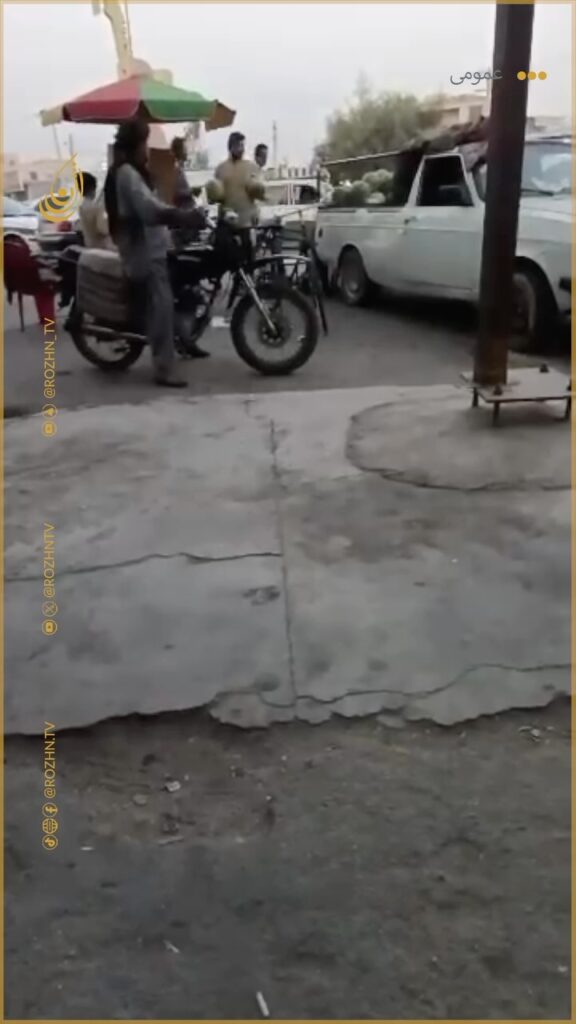
گزارشهای میدانی از ایرانشهر نشان میدهد که برخی مأموران راهنمایی و رانندگی، بهجای اجرای قانون در چارچوب عدالت، به تهدید، اخاذی و مصادره اموال دستفروشان روی آوردهاند. این در حالی است که بسیاری از این فروشندگان، تنها راه امرار معاش خود و خانوادهشان را در همین کار روزمره یافتهاند.
در شرایطی که بیکاری، نبود فرصتهای شغلی پایدار، و عدم حمایتهای اجتماعی در سراسر بلوچستان وجود دارد، برخورد قهری با دستفروشان نهتنها راهحل نیست، بلکه شکاف میان مردم و نهادهای اجرایی را عمیقتر میکند.
دستفروشی در بلوچستان، برخلاف آنچه برخی وانمود میکنند، جرم نیست بلکه واکنشی است انسانی و شرافتمندانه به فقر سیستماتیکی که طی سالها بر مردم این خطه تحمیل شده است.
ادامه چنین رفتارهایی — از جمله توقیف خودروهای دستفروشان، تهدیدات کلامی و درخواستهای مالی بدون رسید قانونی — موجب سلب اعتماد عمومی و گسترش نارضایتی اجتماعی میشود.
آنچه مردم بلوچ انتظار دارند نه فشار مضاعف، بلکه احترام، شفافیت و اجرای بیطرفانه قانون از سوی مأمورانی است که وظیفهشان خدمت به مردم است، نه کسب درآمد از رنج آنان.
دولت و نهادهای نظارتی موظفاند هرگونه سوءاستفاده از قدرت و رفتارهای خارج از چهارچوب اداری را بررسی کرده و با مسئولان متخلف برخورد قانونی و شفاف انجام دهند.
بلوچستان سرزمین فرهنگ، شرافت و کار است — نه صحنهای برای تکرار رفتارهایی که بیشتر به فیلمهای غیرواقعی شبیهاند تا اداره یک جامعه واقعی.
ENWhen Human Dignity Becomes a Victim of Bureaucratic ConductRead in English
Rozhn TV | Thursday, May 29, 2025
Field reports from Iranshahr indicate that some traffic police officers, instead of enforcing the law within a framework of justice, have resorted to threats, extortion and the confiscation of street vendors’ goods. Yet many of these vendors have found in this daily work the only means of earning a living for themselves and their families.
At a time when unemployment, the lack of stable job opportunities and the absence of social support prevail across Balochistan, a coercive approach toward street vendors is not a solution; it only deepens the gap between the people and the executive institutions.
Street vending in Balochistan, contrary to what some pretend, is not a crime but a humane and honorable response to the systemic poverty imposed on the people of this region over the years.
Continuing such conduct, including the impounding of vendors’ vehicles, verbal threats and demands for money without a legal receipt, erodes public trust and spreads social discontent.
What the Baloch people expect is not added pressure but respect, transparency and impartial enforcement of the law by officials whose duty is to serve the people, not to profit from their suffering.
The government and oversight bodies are obliged to investigate any abuse of power and conduct outside the administrative framework, and to deal with offending officials in a legal and transparent manner.
Balochistan is a land of culture, honor and work, not a stage for repeating behavior that resembles scenes from unrealistic films more than the running of a real society.



