فقر ۶۴ درصدی در بلوچستان؛ ثروت معادن و توسعه مکران نصیب مردم نشد
بر اساس آمارهای دولتی، ۶۴ درصد از مردم بلوچستان زیر خط فقر زندگی میکنند، در حالی که این رقم در تهران تنها ۱۳ درصد است. این اختلاف ناشی از تمرکزگرایی، توزیع ناعادلانه منابع و بیتوجهی به مناطق مرزی است.
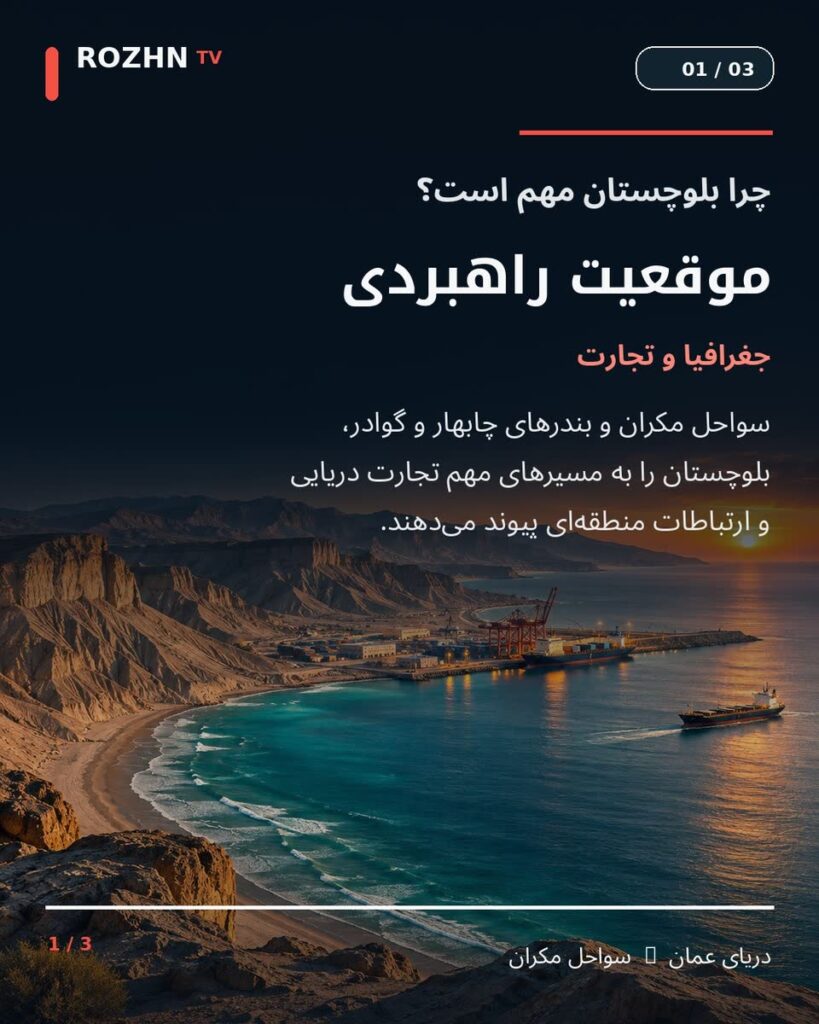
بلوچستان با وجود داشتن معادن غنی طلا، مس و کرومیت، همچنان از توسعه محروم مانده و درآمد این منابع به جای بهبود زندگی مردم، به خارج از استان منتقل میشود. همچنین، طرح توسعه سواحل مکران که قرار بود رفاه اقتصادی ایجاد کند، بیشتر در خدمت سرمایهگذاران غیربومی و اهداف نظامی بوده و تأثیری در کاهش فقر مردم منطقه نداشته است.
این نابرابریها نشان میدهد که سیاستهای اقتصادی باید تغییر کرده و تمرکززدایی جدی صورت گیرد. بلوچستان باید به دست فرزندان خود اداره شود تا منابع و ظرفیتهای اقتصادی آن در خدمت مردم منطقه قرار گیرد، نه آنکه سود آن نصیب دیگران شود.
EN64 Percent Poverty in Balochistan; Mining Wealth and Makran Development Did Not Reach the PeopleRead in English
According to government statistics, 64 percent of the people of Balochistan live below the poverty line, while the figure in Tehran is only 13 percent. This gap stems from centralization, unfair distribution of resources and neglect of border regions.
Despite having rich deposits of gold, copper and chromite, Balochistan remains deprived of development, and the revenue from these resources is transferred out of the province instead of improving people’s lives. Likewise, the Makran coastal development plan, which was supposed to create economic prosperity, has mostly served non-native investors and military purposes and has had no effect on reducing poverty among the people of the region.
These inequalities show that economic policies must change and serious decentralization must take place. Balochistan must be run by its own sons so that its resources and economic capacities serve the people of the region, rather than the profits going to others.