زنان بلوچ و روایت نادیدهها
تلویزیون رُژن | جمعه ۲۰ تیر ۱۴۰۴ خورشیدی / ۱۱ ژوئیه ۲۰۲۵ میلادی
هر بار که تنشهای منطقهای شعلهور میشود مانند حملات اخیر اسرائیل و آمریکا به مواضع نظامی ایران که منجر به کشته شدن بیش از ۳۰ فرمانده ارشد شد پاسخ نظام، نه به سوی صاحبان قدرت، بلکه به سوی مردم بیدفاع داخل کشور است.
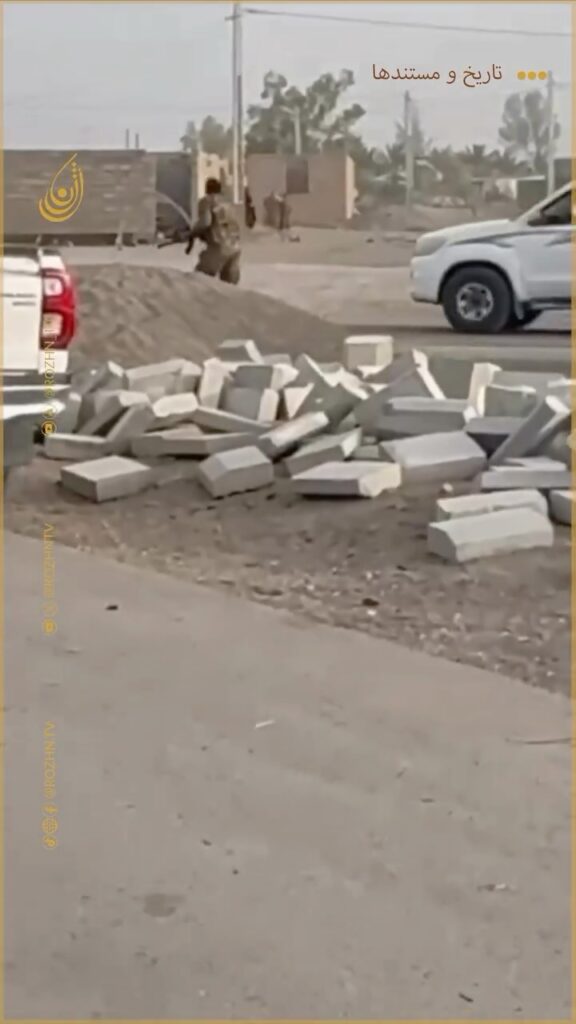
حمله مرگبار به روستای گونیچ و هدف قرار دادن زنان غیرمسلح بلوچ، هرگز یک حادثه تصادفی نیست؛ بلکه بخشی از چرخهای تکرارشونده است؛ گویی هر بار که حاکمیت در جبهه خارجی بازنده و ناکام میشود، کینه خود را از مردمی میگیرد که هیچ نقشی در جنگ ندارند.
این الگو نشان میدهد وقتی نظام از بیرون ضربه میخورد، خشم و انتقام خود را در داخل کشور بهویژه بر سر ملت های تحت ستم بلوچ و کرد خالی میکند و زنان، به عنوان گروهی آسیبپذیر، بیش از دیگران قربانی این خشونتها و جنایت ها میشوند.
با این حال، روح مردم بلوچ هرگز درهم نشکسته است. با وجود محرومیتهای ساختاری، تبعیضهای طولانیمدت و سکوت رسانهای، صدای آنان خاموش نشده است. صدایی که در خون خانبیبی بامری، ریحانه بامری و زنان زخمی گونیچ پژواک مییابد.
این زنان را نباید تنها قربانی دید؛ آنها نماد عزت، شجاعت و ایستادگی در برابر فراموشی و ظلم هستند.
اکنون باید نامشان را بارها تکرار کنیم و زخمهایشان را روایت کنیم، تا روزی که عدالت در این سرزمین برقرار شود. زیرا آنها شایسته دیدهشدن، شنیدهشدن و حمایت هستند.
ENBaloch Women and the Narrative of the UnseenRead in English
Rozhn TV | Friday, July 11, 2025
Every time regional tensions flare up, as with the recent Israeli and American attacks on Iranian military positions that led to the deaths of more than 30 senior commanders, the regime’s response is directed not at those in power but at the defenseless people inside the country.
The deadly attack on the village of Gonich and the targeting of unarmed Baloch women is never an accidental incident; it is part of a recurring cycle, as if every time the ruling system is defeated and thwarted on the foreign front, it takes out its resentment on people who play no part in the war.
This pattern shows that when the regime is struck from outside, it vents its anger and revenge inside the country, particularly on the oppressed Baloch and Kurdish nations, and women, as a vulnerable group, are victims of this violence and these crimes more than others.
Nevertheless, the spirit of the Baloch people has never been broken. Despite structural deprivation, long-standing discrimination and media silence, their voice has not been silenced. A voice that echoes in the blood of Khanbibi Bameri, Reyhaneh Bameri and the wounded women of Gonich.
These women should not be seen merely as victims; they are a symbol of dignity, courage and resistance in the face of oblivion and oppression.
Now we must repeat their names again and again and tell the story of their wounds, until the day justice is established in this land. For they deserve to be seen, heard and supported.