
بلوچستان · ویدیو
تابستان با خاموشی ۳ برابری؛ دولت میخواهد مردم را قربانی ناتوانی خود کند
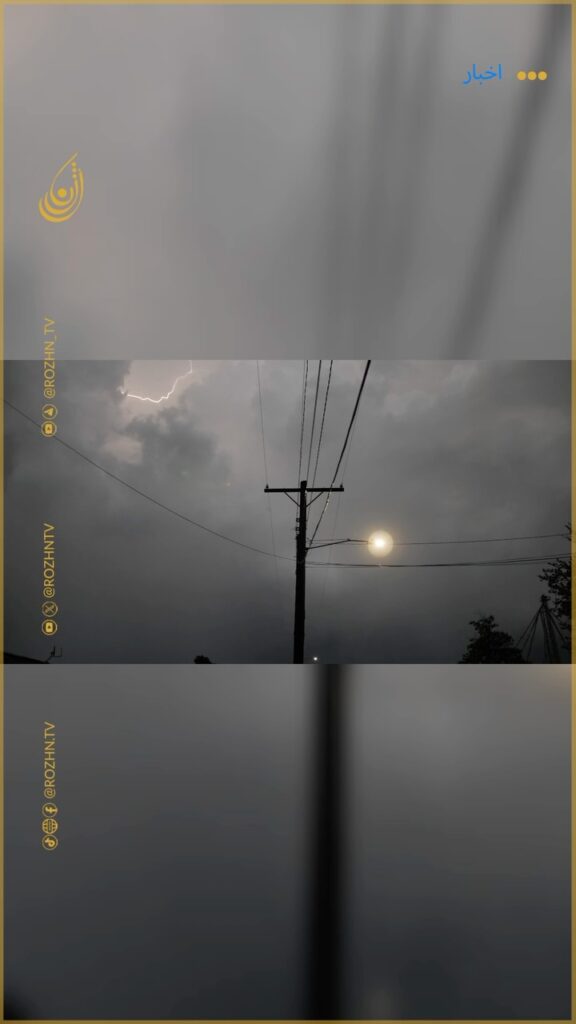
محمدعلی خادم سهی کارشناس اقتصادی و از طراحان طرح رفع ناترازی انرژی اعلام کرد که خاموشیهای خانگی در ایران از ۲ ساعت به ۶ ساعت در روز افزایش مییابد. او گفت که مصرف بالای برق بهویژه در بخش خانگی و وسایل سرمایشی عامل اصلی این بحران است.
بر اساس برآوردها بیش از نیمی از ظرفیت تولید برق کشور تنها در این بخش مصرف میشود. به گفته این کارشناس تلفات بالای توزیع برق و کمبود تولید در ساعات مختلف قطع برق را اجتنابناپذیر کرده است. ناترازی انرژی به نقطه بحرانی رسیده و وضعیت شبکه برق کشور بسیار ناپایدار است.
این وضعیت نتیجه سالها فساد ساختاری، سوءمدیریت در سرمایهگذاری زیرساختی، و ناکارآمدی دولت در توسعه انرژیهای پاک است. در حالی که میلیاردها دلار صرف نهادهای نظامی میشود، شبکه فرسوده برق کشور در آستانه فروپاشی است.
ENSummer With Triple the Blackouts; the Government Wants to Make the People Victims of Its Own IncompetenceRead in English
Mohammadali Khadem Sohi, an economic expert and one of the designers of the plan to resolve Iran’s energy imbalance, announced that household blackouts in Iran will increase from 2 hours to 6 hours a day. He said that high electricity consumption, particularly in the household sector and by cooling appliances, is the main cause of the crisis.
According to estimates, more than half of the country’s electricity generation capacity is consumed in this sector alone. According to this expert, high losses in power distribution and a shortage of generation at various hours have made power cuts unavoidable. The energy imbalance has reached a critical point, and the state of the country’s power grid is highly unstable.
This situation is the result of years of structural corruption, mismanagement of infrastructure investment, and the government’s inefficiency in developing clean energy. While billions of dollars are spent on military institutions, the country’s worn-out power grid is on the verge of collapse.



