اعتراض زنان بلوچ در سکوت رسانهای
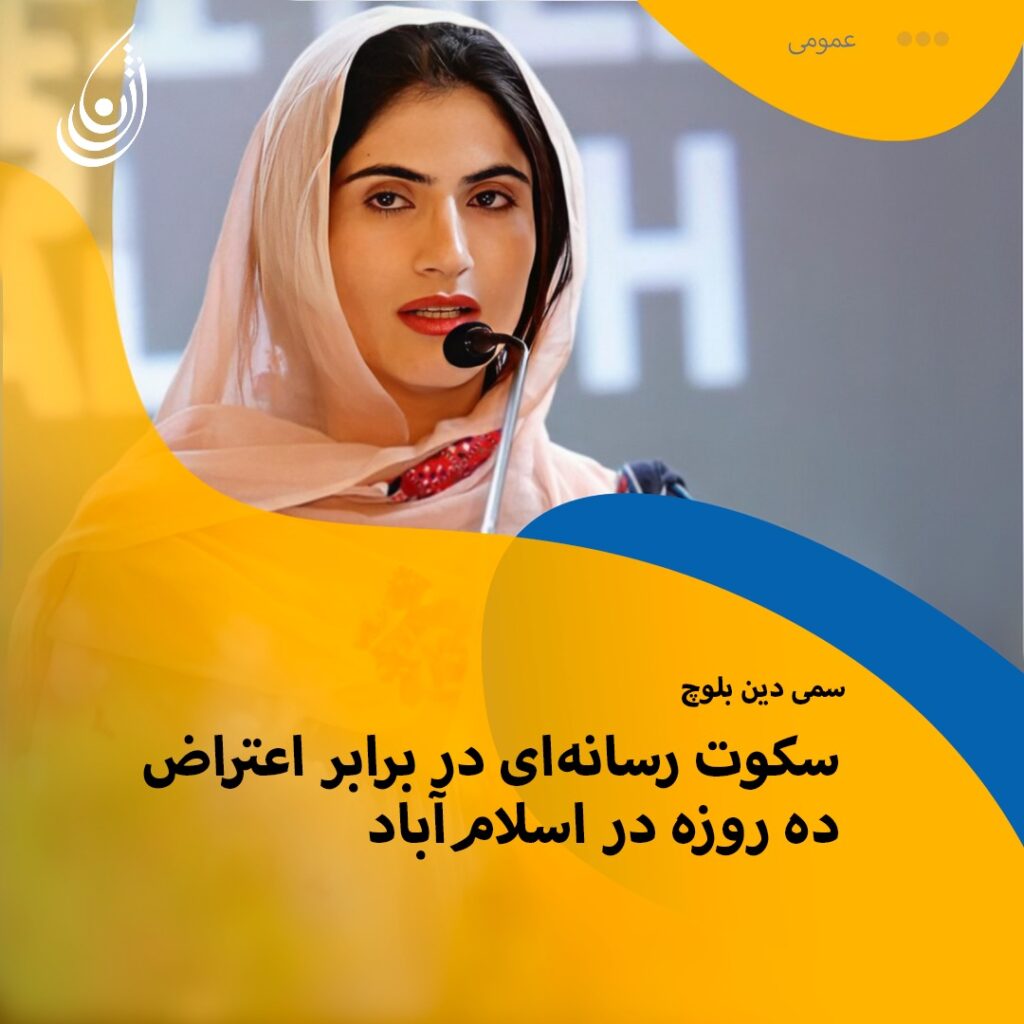
تلویزیون رُژن – یکشنبه ۵ مرداد ۱۴۰۴، برابر با ۲۷ ژوئیه ۲۰۲۵
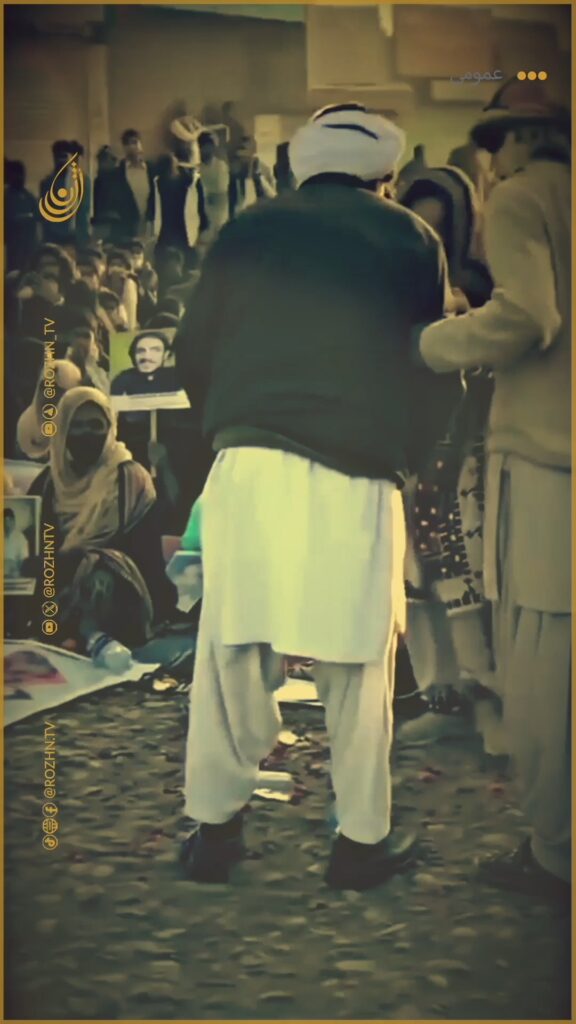
سمی دین بلوچ، عضو مرکزی کمیته همبستگی بلوچ، اعلام کرد که مادران و خواهران بلوچستانی طی ده روز گذشته در خیابانهای اسلامآباد بهصورت مسالمتآمیز تجمع کردهاند اما رسانههای اصلی و خبرنگاران حرفهای در قبال این اعتراض سکوت اختیار کردهاند.
او گفت که در این فضای خلأ رسانهای، برخی افراد تأثیرگذار در شبکههای اجتماعی که نه با اخلاق رسانهای آشنا هستند و نه با اصول پایهای روزنامهنگاری، تنها بهدلیل جذب دنبالکننده و بازدید، اقدام به فیلمبرداری اجباری از معترضان کرده و با این کار آنها را تهدید و آزار میدهند.
سمی دین بلوچ افزود که این رفتار نهتنها غیراخلاقی است بلکه نوعی نظارت، پروندهسازی، تهدید، و شکلی خطرناک از تبلیغات جهتدار حکومتی است که افراد را در معرض افشاگری قرار میدهد و در نهایت، خود این افراد را بیاعتبار میسازد.
او تأکید کرد که تهیه فیلم از معترضان، دانشجویان و زنان بلوچ بدون رضایت آنها، نقض آشکار حریم خصوصی و امنیت روانیشان است. او افزود: اصول اولیه روزنامهنگاری ایجاب میکند که با آسیبدیدگان و معترضان با احترام، همدلی و حفظ رازداری برخورد شود نه اینکه آنها را مقابل دوربین مجبور به واکنش و نمایش کنند.
وی گفت: کسانی که تحت عنوان اینفلوئنسر، رسانه دیجیتال، تیکتاکر یا یوتیوبر در این نوع تبلیغات شرکت دارند و هدف آنها مادران و کودکان بیپناهیست که برای دادخواهی به اسلامآباد آمدهاند، نهتنها اخلاق انسانی را زیر پا گذاشتهاند بلکه دردی تازه بر زخم این خانوادهها افزودهاند.
در پایان گفت که منشأ این رسانههای بیاعتبار بر هیچکس پوشیده نیست و جامعه آگاه فریب چنین حرکات هدایتشدهای را نخواهد خورد.
ENBaloch Women’s Protest Amid Media SilenceRead in English
Rozhn TV | Sunday, July 27, 2025
Sammi Deen Baloch, a central member of the Baloch Yakjehti Committee, said that mothers and sisters from Balochistan have been gathering peacefully on the streets of Islamabad for the past ten days, but mainstream media and professional reporters have remained silent about this protest.
She said that in this media vacuum, some social media influencers who are familiar neither with media ethics nor with the basic principles of journalism, solely to gain followers and views, have been forcibly filming the protesters, and in doing so are threatening and harassing them.
Sammi Deen Baloch added that this behavior is not only unethical but is a form of surveillance, case-building, threat, and a dangerous form of biased state propaganda that exposes individuals and ultimately discredits those very people.
She stressed that filming protesters, students and Baloch women without their consent is a clear violation of their privacy and psychological security. She added that the basic principles of journalism require that victims and protesters be treated with respect, empathy and confidentiality, not forced to react and perform in front of a camera.
She said that those who take part in this kind of propaganda under the title of influencer, digital media, TikToker or YouTuber, and whose targets are helpless mothers and children who have come to Islamabad to seek justice, have not only trampled human ethics but have added a fresh pain to the wounds of these families.
In conclusion, she said that the origin of these discredited media outlets is hidden from no one and that an informed society will not be deceived by such directed moves.