شهرام وطنخواه
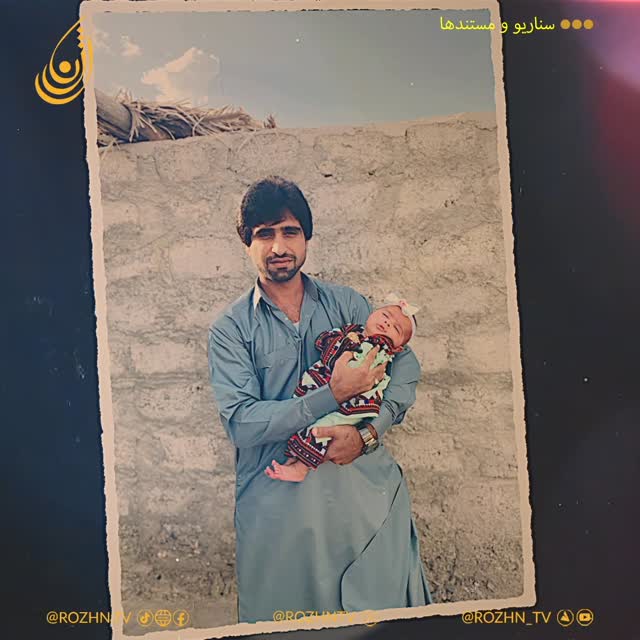
حق زندگی، حق عدالت: صدای تازهای برای بلوچستان در پی کشتهشدن شهرام وطنخواه
تلویزیون رُژن | چهارشنبه ۸ مرداد ۱۴۰۴ خورشیدی / ۳۰ ژوئیه ۲۰۲۵ میلادی
در قلب بلوچستان، در سایه کوههای خاموش و جادههای خاکگرفته سرباز، یک نام این روزها تکرار میشود: شهرام وطنخواه. جوانی ۲۶ ساله، اهل نصیرآباد، که روز ۲۸ تیرماه در ایستوبازرسی دو راهی پارود، بدون هشدار، بدون سلاح، و بدون هیچگونه مقاومتی، هدف گلوله قرار گرفت و جان باخت.
در واکنشی کمسابقه، جامعه محلی و فعالان مدنی بلوچ با زبانی روشن و لحنی بیتعارف خواهان روشنشدن حقیقت شدند. آنها این حادثه را نه یک خطای فردی، بلکه نشانهای از ساختاری میدانند که سالهاست کرامت انسانی و امنیت شهروندان بلوچ را به چالش کشیده است.
این واکنش، فراتر از یک اعتراض لحظهایست. پژواکیست از دههها درد فروخورده و خواستههایی که دیگر نمیتوان نادیده گرفت. در متنهای منتشرشده از سوی فعالان و چهرههای اجتماعی آمده است: «عدالت فقط زمانی برقرار میشود که مطالبه شود. امروز مطالبه ما روشن است: حق زندگی، حق شنیدهشدن، و حق پاسخ گرفتن.»
این واژگان ساده اما صریح، نقطه اتصال میان حقوق بشر و شأن قومی در بلوچستاناند. در سرزمینی که برای سالها در حاشیه تصمیمگیریهای ملی مانده، چنین صدایی نه فقط ابزاری برای دادخواهی، بلکه نشانهای از بلوغ اجتماعی و خواست گفتگوی برابر با حاکمیت است.
فعالان مدنی تأکید میکنند: تنها در صورتی میتوان از تکرار چنین فجایعی جلوگیری کرد که نهادهای مسئول با صداقت، شفافیت و مسئولیتپذیری وارد میدان شوند. بدون حقیقت، هیچ سازش پایداری ممکن نخواهد بود.
شهرام وطنخواه دیگر زنده نیست، اما نام او اکنون پرسشی جدی در فضای عمومی بهوجود آورده است: «چرا ما؟ چرا باز هم ما؟»
اگر این پرسش نیز بیپاسخ بماند، شکاف میان مردم و حاکمیت عمیقتر خواهد شد – و فرصت اعتمادسازی، بار دیگر از دست خواهد رفت.
ENShahram VatankhahRead in English
The right to life, the right to justice: a new voice for Balochistan after the killing of Shahram Vatankhah
Rozhn TV | Wednesday, July 30, 2025
In the heart of Balochistan, in the shadow of silent mountains and the dusty roads of Sarbaz, one name is being repeated these days: Shahram Vatankhah. A 26-year-old man from Naseerabad, on July 19 at the Parud fork checkpoint, without warning, unarmed, and without any resistance, he was shot and killed.
In a rare reaction, the local community and Baloch civil activists, in clear language and a frank tone, demanded that the truth be established. They regard this incident not as an individual error but as a sign of a structure that has for years challenged the human dignity and security of Baloch citizens.
This reaction goes beyond a momentary protest. It is an echo of decades of suppressed pain and demands that can no longer be ignored. In texts published by activists and public figures, it was stated: “Justice is established only when it is demanded. Today our demand is clear: the right to life, the right to be heard, and the right to get answers.”
These simple but forthright words are the point of connection between human rights and ethnic dignity in Balochistan. In a land that has been left on the margins of national decision-making for years, such a voice is not only a tool for seeking redress but a sign of social maturity and a desire for equal dialogue with the state.
Civil activists stress: such tragedies can be prevented from recurring only if the responsible institutions step in with honesty, transparency and accountability. Without truth, no lasting reconciliation will be possible.
Shahram Vatankhah is no longer alive, but his name has now raised a serious question in the public sphere: “Why us? Why us again?”
If this question too goes unanswered, the gap between the people and the state will deepen – and the opportunity to build trust will be lost once again.