بیپاسخترین سؤال بلوچها زنده است یا نه؟
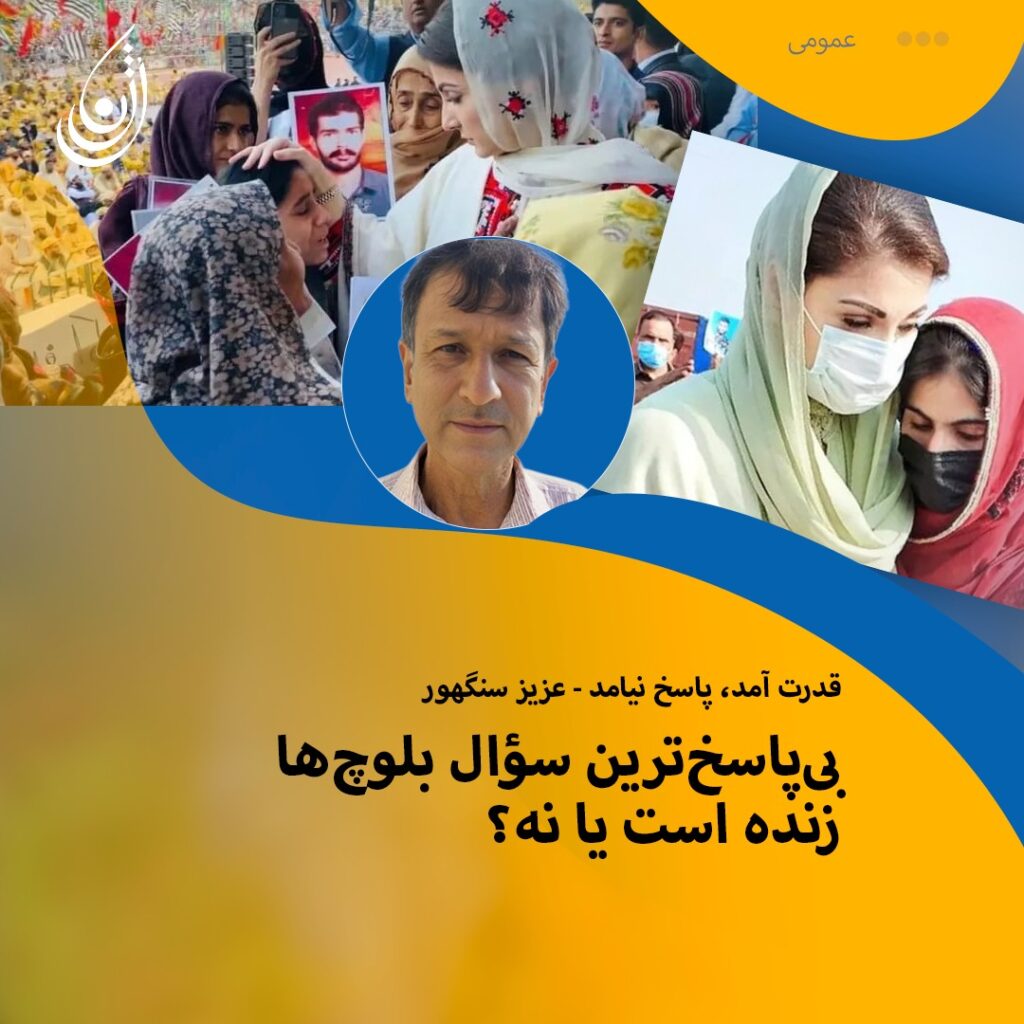
سکوت در قدرت پس از وعده در اپوزیسیون مادران بلوچ در انتظار پاسخی دوباره سیاست بیحافظه یا بیوجدان وعدههایی که بر اشک استوار شدند اما اجرایی نشدند
– عزیز سنگھور
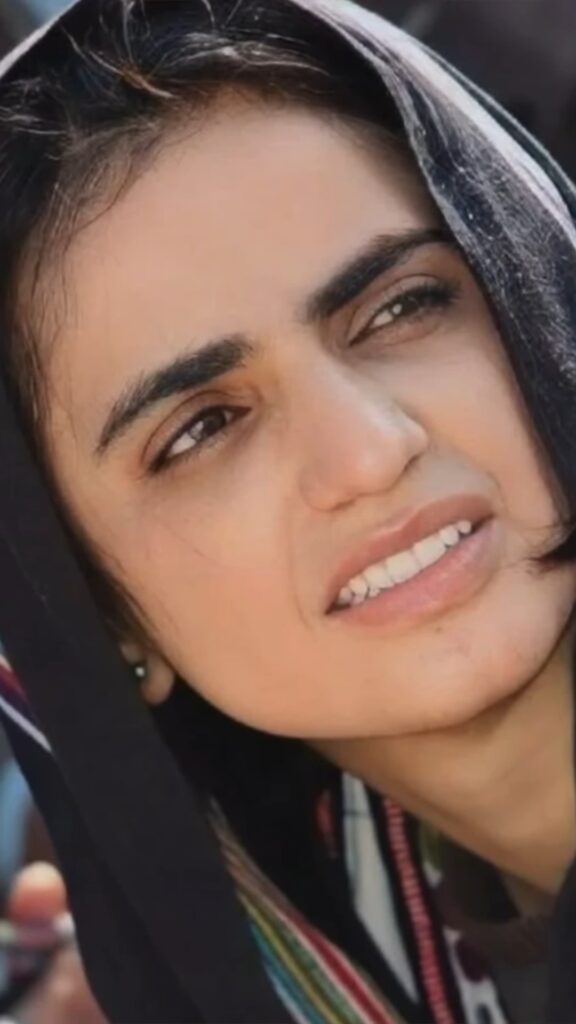
در یکی از شبهای سرد زمستان ۲۰۲۱، دختری جوان از بلوچستان در میدان مرکزی پایتخت با چشمانی اشکبار و تصویری از برادر ناپدیدشدهاش، از یک چهره سیاسی سرشناس پرسید: «فقط بگویید زنده است یا نه؟»
در همان صحنه، آن سیاستمدار وعده داد که صدای ناپدیدشدگان بلوچ خواهد شد؛ از عدالت گفت، از مسئولیتپذیری و از اینکه “در قدرت، حق را بازخواهد گرداند”
امروز، در سال ۲۰۲۵، همان چهره نهتنها در قدرت است، بلکه یکی از عالیترین مناصب اجرایی را در اختیار دارد. اما آن مادران، آن خواهران، همچنان در همان خیابانها، همان چادرها، به انتظارند؛ بدون پاسخ، بدون دیدار دوباره، بدون حتی یک طرح قانونی
هیچ بازگشتی اتفاق نیفتاده. هیچ تحقیق مستقلی انجام نشده. هیچ صدای جدیدی بلند نشده
مادران بلوچ اکنون میپرسند: آیا اشکهای ما فقط در دوران اپوزیسیون ارزش داشت؟ آیا صدای ما فقط ابزار رقابتهای سیاسی بود؟ آیا وعدهها برای همان روزها بودند و نه برای روزهایی که وعدهدهنده در قدرت است؟
این سکوت، فقط یک بیعملی سیاسی نیست؛ نوعی استمرار فشار است. نوعی انکار. و برای نسل جدید بلوچ، که پیشتر از نهادهای امنیتی دلسرد شده بود، حالا این بیتفاوتی سیاسی نیز زخم تازهایست
وعدههایی که بر درد مردم ساخته شدند، اگر بیپاسخ بمانند، نهفقط بیاعتماد میکنند، بلکه اعتماد اجتماعی را دفن میکنند
این فقط مسئلهی افراد ناپدیدشده نیست. این مسئلهی هویت است، بقاست، کرامت انسانیست. اگر سیاستمداری که گریه کرد و وعده داد، امروز در قدرت نیز سکوت کند، این سکوت خود شکل تازهای از بیعدالتیست
ENThe Baloch’s Most Unanswered Question: Is He Alive or Not?Read in English
Silence in power after promises in opposition. Baloch mothers wait again for an answer. A politics without memory or conscience. Promises built on tears but never implemented
– Aziz Sanghur
On one cold winter night in 2021, a young woman from Balochistan, her eyes full of tears and holding a photo of her disappeared brother, asked a prominent political figure in the central square of the capital: “Just tell us whether he is alive or not?”
On that very scene, that politician promised to become the voice of the Baloch disappeared; he spoke of justice, of accountability, and of how “once in power, he would restore rights”
Today, in 2025, that same figure is not only in power but holds one of the highest executive offices. Yet those mothers, those sisters, are still waiting in the same streets, the same tents; without an answer, without a second meeting, without even a single draft law
No return has happened. No independent investigation has been carried out. No new voice has been raised
Baloch mothers are now asking: Were our tears valuable only in the days of opposition? Was our voice only a tool of political rivalry? Were the promises meant for those days and not for the days when the promise-maker is in power?
This silence is not merely political inaction; it is a form of continued pressure. A form of denial. And for the new Baloch generation, already disillusioned with the security institutions, this political indifference is now a fresh wound
Promises built on people’s pain, if left unanswered, do not merely breed distrust; they bury social trust
This is not only a matter of the disappeared. It is a matter of identity, of survival, of human dignity. If a politician who wept and made promises stays silent today too, now that he is in power, that silence is itself a new form of injustice