افزایش قیمت دارو در راسک؛ شهروندان زیر فشار بیسابقه اقتصادی
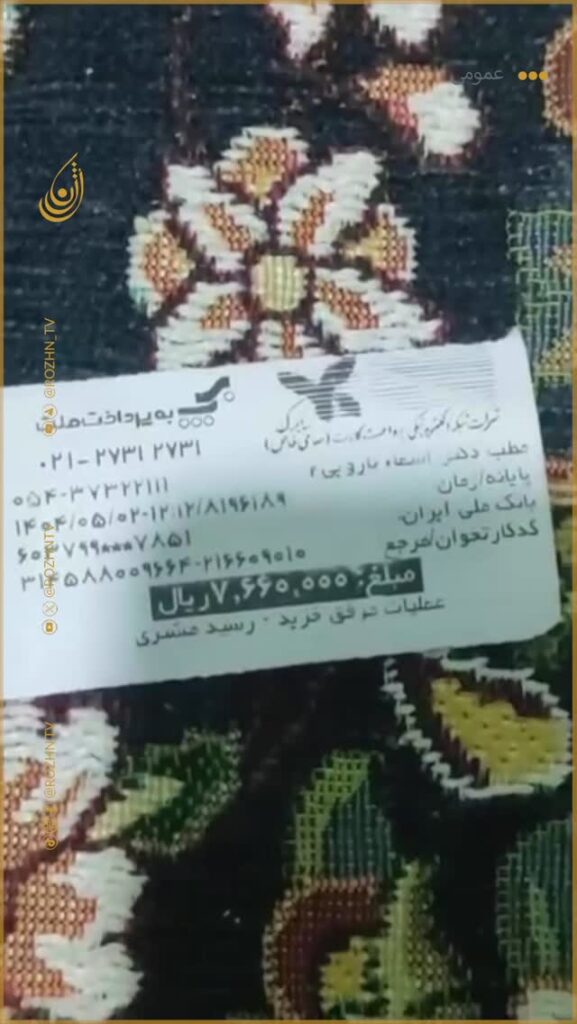
در شهر راسک، واقع در استان سیستان و بلوچستان، بسیاری از ساکنان در شرایطی دشوار زندگی میکنند: بیآب، بیبرق، بیکار و بیامنیت. در چنین شرایطی، دسترسی به دارو و خدمات درمانی نیز به یکی از نگرانیهای جدی شهروندان تبدیل شده است.
بر اساس گزارشهایی که به تلویزیون رُژن رسیده، در برخی داروخانههای محلی، قیمت داروها بهطور غیرمعمول بالا گزارش شده است. شهروندان میگویند برخی داروهایی که قیمت مصوب آنها حدود ۲۰ هزار تومان است، عملاً با قیمتی تا ۸۰ هزار تومان به فروش میرسند. این در حالی است که بسیاری از خانوادهها حتی برای تهیه نان شب نیز با مشکل مواجهاند.
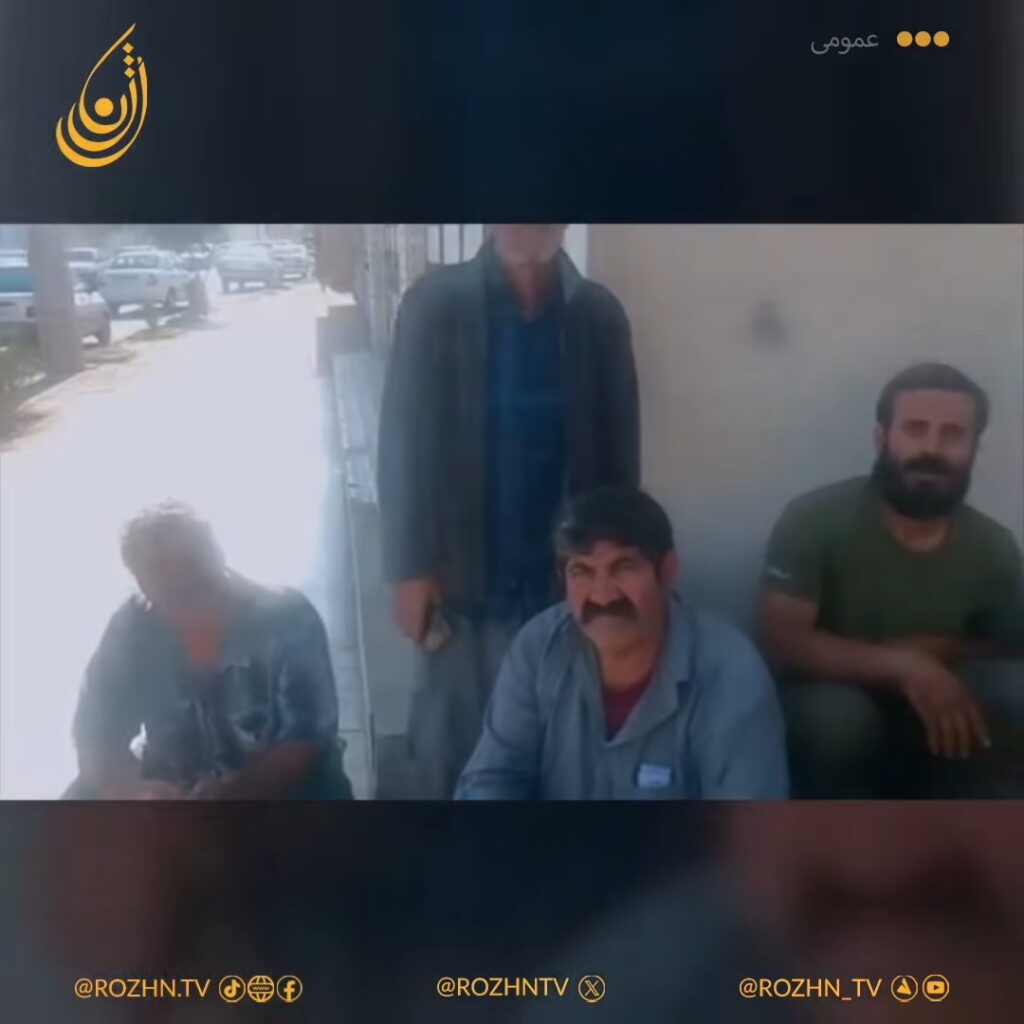
یکی از شهروندان با صدای تغییریافته به تلویزیون رُژن گفت: «به خدا مردم پول نان شب ندارند. این داروها شدهاند عذاب. دارویی که باید بیست هزار تومان باشد، اینجا به هشتاد فروخته میشود. مردم باید دارو را به قیمت جان بخرند.»
با وجود اینکه برخی از شهروندان مستقیماً از مشکلات خرید دارو شکایت کردهاند، این گزارش به جای سرزنش واحدهای عرضهکننده، تمرکز خود را بر ضعفهای ساختاری و نظارتی معطوف کرده است. نبود حمایت هدفمند از مناطق محروم، فقدان سیاستهای پایدار کنترلی و غیبت نظارت مؤثر، موجب شده تا دارو از یک نیاز درمانی اساسی به کالایی لوکس و دستنیافتنی برای برخی اقشار جامعه بدل شود.
در چنین وضعیتی، این مسئولیت مستقیم دولت و وزارت بهداشت است که با تدوین سیاستهای عادلانه، تقویت زیرساختهای بهداشتی و ساماندهی نظام توزیع دارو، مانع از تعمیق شکاف درمانی بین مرکز و مناطق محروم شود. بیعملی در این زمینه، سلامت عمومی مناطق محروم را تهدید میکند.
ENMedicine Prices Rise in Rask; Citizens Under Unprecedented Economic PressureRead in English
In the city of Rask, in Sistan and Baluchestan province, many residents live in difficult conditions: without water, without electricity, without jobs and without security. In such conditions, access to medicine and health services has also become one of the serious concerns of citizens.
According to reports received by Rozhn TV, medicine prices at some local pharmacies are reported to be unusually high. Citizens say some medicines with an approved price of about 20,000 tomans are in practice being sold for up to 80,000 tomans. This comes as many families struggle even to put dinner bread on the table.
One citizen, speaking to Rozhn TV with a disguised voice, said: “By God, people don’t have money for dinner bread. These medicines have become torment. A medicine that should be twenty thousand tomans is sold here for eighty. People have to buy medicine at the price of their lives.”
Although some citizens have complained directly about difficulties buying medicine, this report, rather than blaming the supplying outlets, focuses on structural and regulatory weaknesses. The lack of targeted support for deprived regions, the absence of sustainable control policies and the lack of effective oversight have turned medicine from a basic medical need into a luxury, unattainable commodity for some segments of society.
In such a situation, it is the direct responsibility of the government and the Ministry of Health to prevent the deepening of the health gap between the center and deprived regions by drafting fair policies, strengthening health infrastructure and organizing the medicine distribution system. Inaction in this area threatens the public health of deprived regions.