یازدهم اوت؛ روز استقلال بلوچستان و آغاز مقاومت مداوم ملت بلوچ علیه پاکستان
تلویزیون رُژن | دوشنبه ۲۰ مرداد ۱۴۰۴ خورشیدی / ۱۱ اوت ۲۰۲۵ میلادی
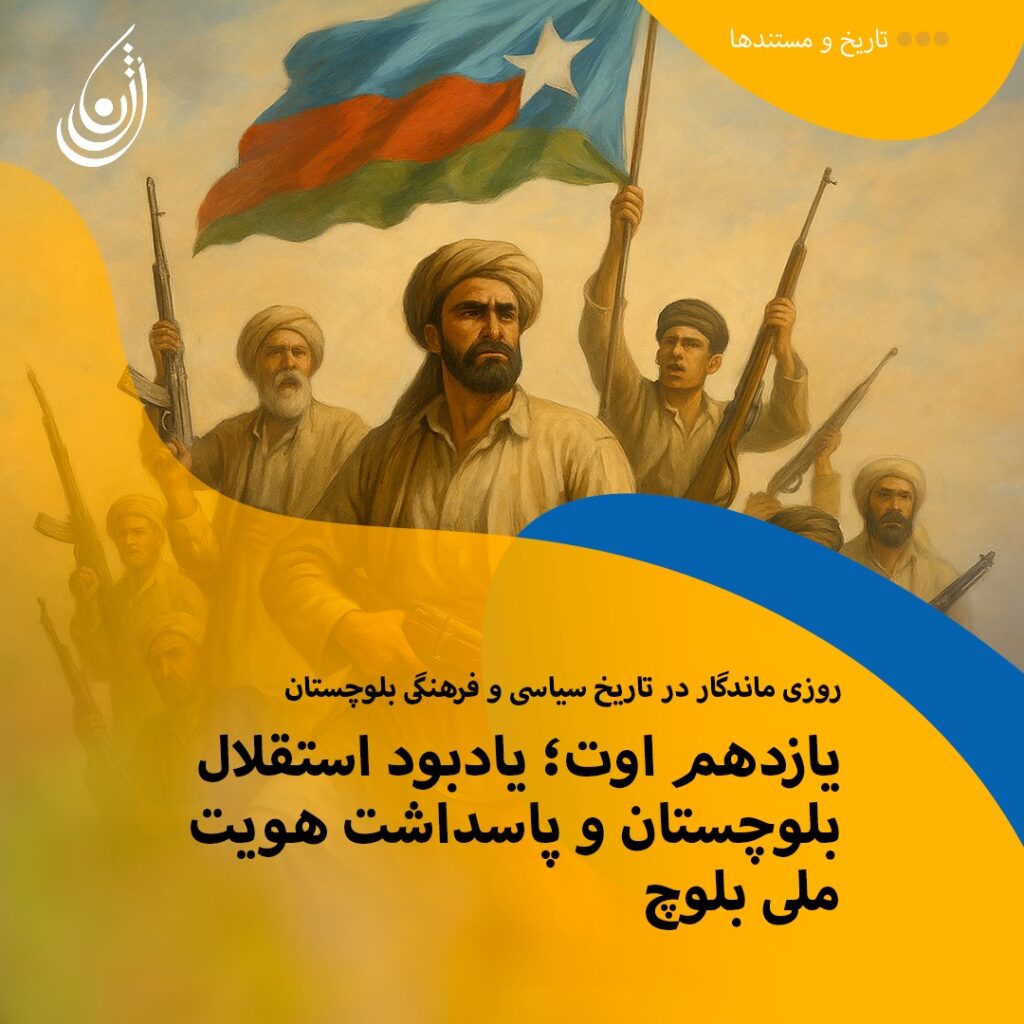
یازدهم اوت به عنوان «روز استقلال بلوچستان» در تاریخ معاصر این سرزمین جایگاهی ویژه دارد. در این روز در سال ۱۹۴۷ میلادی، همزمان با فروپاشی استعمار بریتانیا در شبهقاره هند، کلات – به عنوان بخش اصلی بلوچستان – استقلال خود را از بریتانیا و هند اعلام کرد. این استقلال بر پایه مذاکرات و توافقنامهای میان دولت کلات و مقامات بریتانیایی به رسمیت شناخته شد و کلات به عنوان یک کشور مستقل و دارای حاکمیت کامل معرفی گردید.
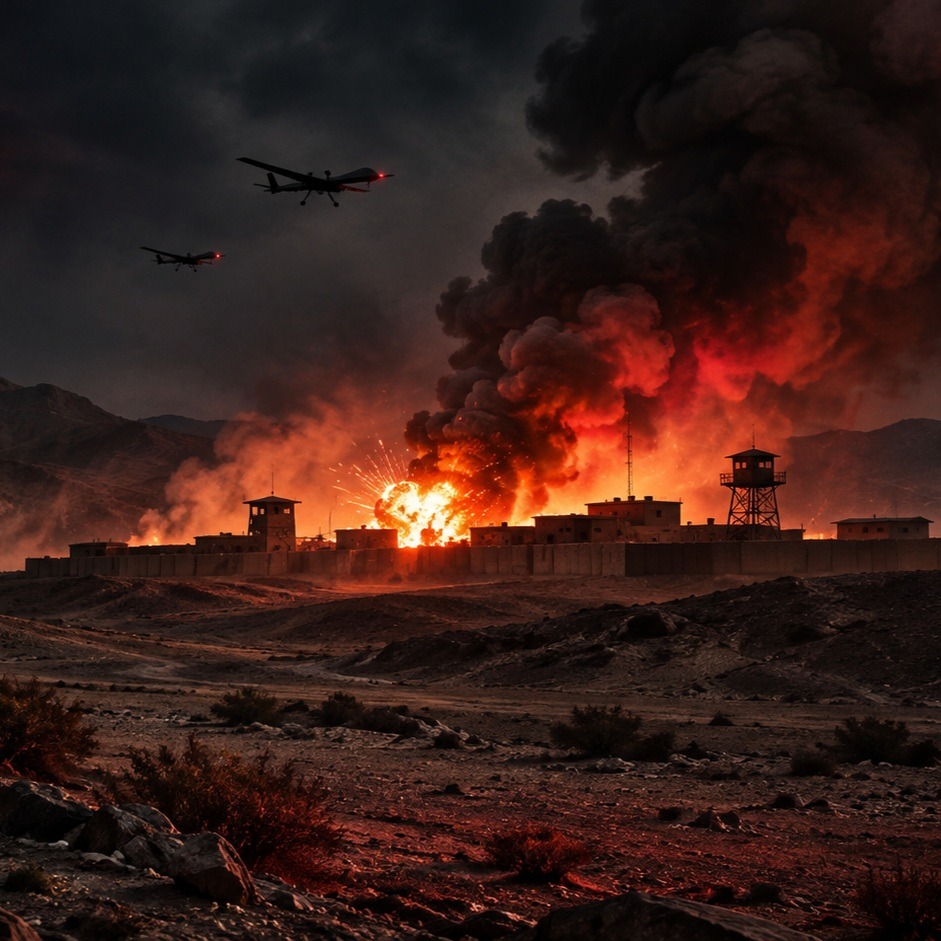
با این حال، کمتر از یک سال بعد، در مارس ۱۹۴۸، پاکستان با استفاده از نیروی نظامی و پشتیبانی لجستیکی و تسلیحاتی از سوی بریتانیا – که بخشی از تجهیزات و زیرساختهای نظامی خود را در منطقه باقی گذاشته بود – به بلوچستان حمله کرد. نیروهای زمینی پاکستان با پشتیبانی نیروی دریایی و بقایای امکانات هوایی بریتانیا وارد کلات شدند، ساختمانهای دولتی را تصرف کردند و خان کلات را تحت فشار شدید وادار به امضای سند الحاق کردند. این عمل بدون برگزاری همهپرسی آزاد و بدون رضایت عمومی ملت بلوچستان انجام شد.
هرچند پاکستان در آن زمان کنترل بخشهایی از بلوچستان را به دست گرفت، اما هرگز نتوانست بر تمام سرزمین بلوچستان سلطه کامل پیدا کند. از سال ۱۹۴۸ تا امروز، درگیری و جنگ میان ملت بلوچ و دولت مرکزی در اسلامآباد به اشکال مختلف ادامه داشته و همچنان بخشی از واقعیت سیاسی و امنیتی منطقه است.
ENAugust 11: Balochistan’s Independence Day and the Start of the Baloch Nation’s Continuing Resistance Against PakistanRead in English
Rozhn TV | Monday, August 11, 2025
August 11 holds a special place in the contemporary history of this land as “Balochistan’s Independence Day.” On this day in 1947, as British colonial rule collapsed in the Indian subcontinent, Kalat, as the core part of Balochistan, declared its independence from Britain and India. This independence was recognized on the basis of negotiations and an agreement between the Kalat government and British authorities, and Kalat was presented as an independent country with full sovereignty.
However, less than a year later, in March 1948, Pakistan attacked Balochistan using military force and with logistical and arms support from Britain, which had left part of its military equipment and infrastructure in the region. Pakistani ground forces, backed by the navy and the remnants of British air facilities, entered Kalat, seized government buildings and, under severe pressure, forced the Khan of Kalat to sign an instrument of accession. This was done without a free referendum and without the general consent of the people of Balochistan.
Although Pakistan took control of parts of Balochistan at that time, it never managed to establish complete dominance over the entire territory of Balochistan. From 1948 to the present, conflict and war between the Baloch nation and the central government in Islamabad have continued in various forms and remain part of the region’s political and security reality.