فریادهای خاموش بلوچستان
تلویزیون رُژن | پنجشنبه ۲۰ شهریور ۱۴۰۴ خورشیدی / ۱۱ سپتامبر ۲۰۲۵ میلادی
نویسنده: عزیز سنگھور
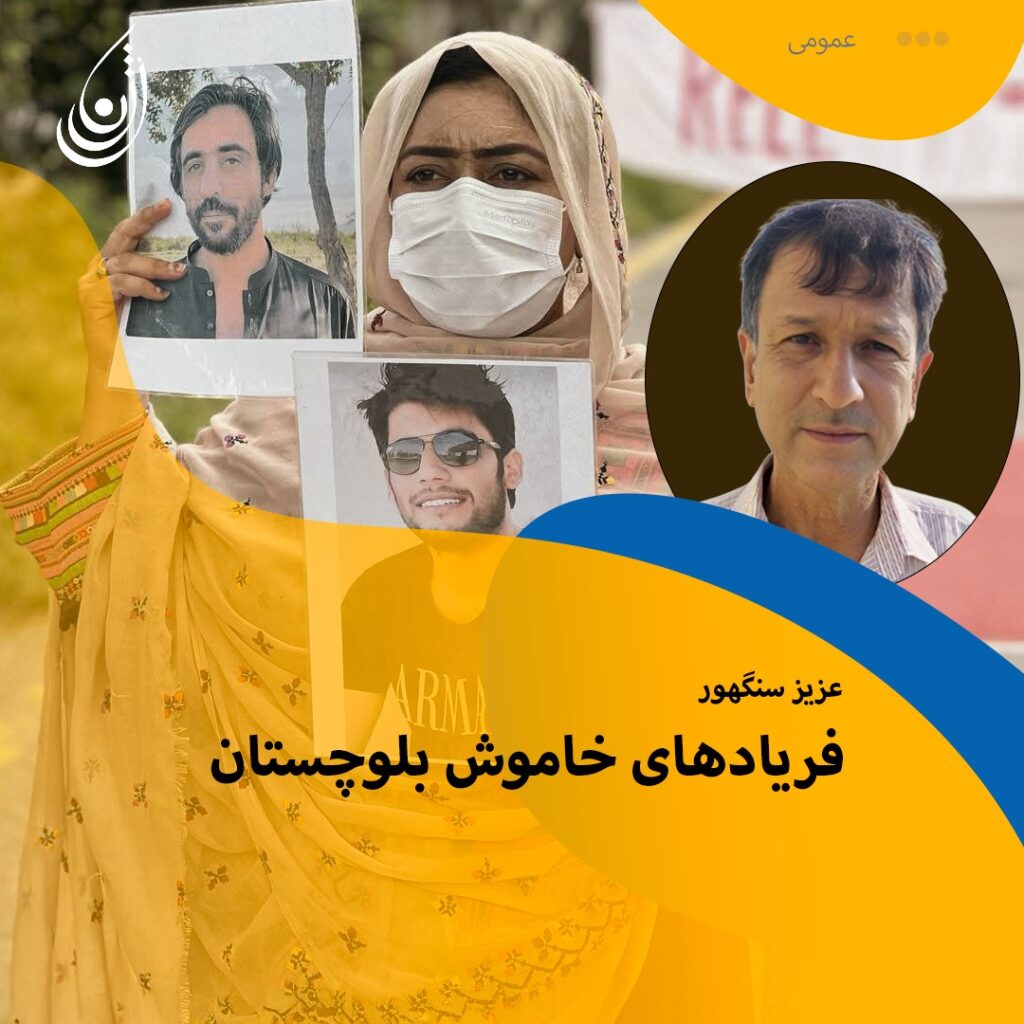
ششم سپتامبر ۲۰۲۵ روز دیگری در تاریخ سیاسی و حقوق بشری پاکستان بهعنوان فصلی سیاه ثبت شد. در همین روز، طلال چودهری، وزیر مشاور در امور داخله، در مجلس ملی ادعا کرد که خانوادههای مفقودشدگان بلوچ به منظور اهداف سیاسی در اسلامآباد تحصن کردهاند. این سخنان زمانی مطرح شد که خانوادههای مظلوم از بلوچستان ۵۴ روز است در برابر باشگاه مطبوعات اسلامآباد در اعتراض مسالمتآمیز نشستهاند.
از سوی دیگر، همان روز در کویته، دکتر ماہرنگ بلوچ، رئیس کمیته همبستگی بلوچ، بهطور پنهانی در دادگاه مبارزه با تروریسم حاضر شد، بدون آنکه وکلای او و یا خانوادهاش مطلع شوند. همزمان اینترنت در سراسر شهر قطع بود. در همان روز سازمان عفو بینالملل نیز قطع اینترنت در بلوچستان را حملهای آشکار به حقوق شهروندی دانست.
این سه رویداد در واقع بخشی از یک روایت واحد حکومتی هستند؛ روایتی که برای خاموش کردن صدای مردم بلوچ، گاه با اتهامات دروغین، گاه با روندهای پنهانی قضایی و گاه با حربه قطع اینترنت عمل میکند.
وزیر امور داخله در مجلس مدعی شد که معترضان بلوچ به دنبال مقاصد سیاسی هستند. این اتهامات نه تنها بیاساس، بلکه نشاندهنده بیتفاوتی نهادهای حکومتی نسبت به حقوق بشر و نیرنگ سیاسی است.
خانوادههای مفقودشدگان در واکنش گفتند:
“اگر دادگاهها مستقل بودند، ما علیه طلال چودهری اقدام قانونی میکردیم و از او میپرسیدیم: چه کسی پشت سر ماست؟ ما کی و کجا قانون را نقض کردهایم؟”
حق با آنهاست. اعتراض علیه ناپدیدسازی اجباری، بازی سیاسی نیست بلکه یک حق بنیادین انسانی است. اما حکومت به جای شنیدن صدای مظلوم، آنها را “خائن” یا “ابزار سیاسی” معرفی میکند.
پیشی پنهانی دکتر ماہرنگ بلوچ در دادگاه مبارزه با تروریسم نهتنها خلاف قانون اساسی، بلکه در تضاد با ابتداییترین اصول عدالت است. قانون اساسی پاکستان به هر شهروند حق دادرسی شفاف، دسترسی به وکیل و محاکمه علنی را میدهد. اما تمدید بازداشت او در یک جلسه محرمانه نشان میدهد که حکومت بهطور برنامهریزیشده در پی ارعاب رهبری بلوچ است.
این اقدام تنها علیه یک فرد نبود؛ بلکه پیامی روشن به تمام مردم بلوچستان بود: اگر صدای حقطلبی بلند کنید، سرنوشت شما نیز چنین خواهد شد.
قطع اینترنت که بیش از یک ماه در بلوچستان ادامه دارد، زندگی روزمره مردم را فلج کرده است. دانشجویان قادر به شرکت در کلاسهای آنلاین یا ارسال درخواستهای بورسیه و دانشگاهی نیستند. بیماران، تاجران و شهروندان عادی هم دچار مشکلات جدی شدهاند.
عفو بینالملل به درستی گفت که این اقدام تلاشی است برای جدا کردن بلوچستان از جهان و پنهان کردن واقعیتها. اگر حکومت مدعی آرامش و اعتماد به سیاستهای خود است، چرا از دسترسی آزاد به اینترنت و رسانهها هراس دارد؟
دولت یک روز میگوید حاضر به مذاکره با خانوادههای مفقودشدگان است، و روز دیگر همان خانوادهها را به “اهداف سیاسی” متهم میکند. یک سو دادگاهها حکم به بازگشت اینترنت میدهند، و سوی دیگر دولت همان حکم را نادیده میگیرد. یک سو قانون اساسی محاکمه علنی را تضمین میکند، و سوی دیگر دکتر ماہرنگ بلوچ را در تاریکی به دادگاه میبرد.
این تناقضها نشان میدهد که نهادهای حکومتی بهصورت سازمانیافته میخواهند مردم بلوچ را به دیوار برسانند. اما تاریخ ثابت کرده است که با سرکوب، ناپدیدسازی و سانسور، نمیتوان هویت و مبارزه یک ملت را خاموش کرد.
تحصن اسلامآباد، دادگاه محرمانه کویته و قطع اینترنت در بلوچستان سه رویداد جداگانه نیستند، بلکه حلقههای یک زنجیرند؛ زنجیری که نشان میدهد حکومت برای پوشاندن ناکامیهای خود در سرکوب صدای مردم مشغول است.
اعتراض مردم بلوچ مسالمتآمیز و خواستهشان مشروع است: بازگرداندن عزیزان ناپدیدشدهشان. دادگاه محرمانه دکتر ماہرنگ بلوچ توهینی آشکار به قانون اساسی و عدالت است. و همانطور که عفو بینالملل گفت، قطع اینترنت حربهای برای خاموش کردن بلوچستان است.
هرچه حکومت بیشتر به سرکوب متوسل شود، بیشتر مشروعیت اخلاقی خود را از دست خواهد داد. فریادهای خاموش بلوچستان دیگر محدود به این سرزمین نیست، بلکه به گوش جامعه جهانی رسیده است. اکنون زمان آن است که دولت پاکستان به قانون و عدالت پایبند شود، مفقودشدگان را بازگرداند و با مردم بلوچ نه چون بردگان، بلکه چون شهروندان برابر رفتار کند. تنها این راه بقای دولت و دموکراسی است.
ENBalochistan’s Silent CriesRead in English
Rozhn TV | Thursday, September 11, 2025
Author: Aziz Sanghur
September 6, 2025, was recorded as another black chapter in the political and human rights history of Pakistan. On that day, Talal Chaudhry, Minister of State for Interior, claimed in the National Assembly that the families of missing Baloch persons were staging a sit-in in Islamabad for political purposes. These remarks came as the oppressed families from Balochistan had been sitting in peaceful protest in front of the Islamabad Press Club for 54 days.
Meanwhile, the same day in Quetta, Dr. Mahrang Baloch, head of the Baloch Solidarity Committee, was secretly brought before the Anti-Terrorism Court without her lawyers or family being informed. At the same time, the internet was cut across the city. On the same day, Amnesty International also described the internet shutdown in Balochistan as a blatant attack on citizens’ rights.
These three events are in fact parts of a single state narrative, one that works to silence the voice of the Baloch people, at times through false accusations, at times through secret judicial proceedings and at times through the weapon of internet shutdowns.
The interior minister claimed in parliament that Baloch protesters were pursuing political aims. These accusations are not only baseless but also show the indifference of state institutions toward human rights, and political deceit.
The families of the missing responded:
“If the courts were independent, we would take legal action against Talal Chaudhry and ask him: who is behind us? When and where have we broken the law?”
They are right. Protest against enforced disappearance is not a political game but a fundamental human right. Yet instead of hearing the voice of the oppressed, the state portrays them as “traitors” or “political tools.”
Dr. Mahrang Baloch’s secret appearance before the Anti-Terrorism Court is not only against the constitution but contrary to the most basic principles of justice. Pakistan’s constitution grants every citizen the right to a transparent hearing, access to a lawyer and a public trial. But the extension of her detention in a closed-door session shows that the state is systematically seeking to intimidate the Baloch leadership.
This action was not only against one individual; it was a clear message to all the people of Balochistan: if you raise your voice for your rights, the same fate awaits you.
The internet shutdown, which has continued in Balochistan for more than a month, has paralyzed people’s daily lives. Students are unable to attend online classes or submit scholarship and university applications. Patients, traders and ordinary citizens have also faced serious difficulties.
Amnesty International rightly said that this measure is an attempt to cut Balochistan off from the world and hide the facts. If the state claims calm and confidence in its policies, why is it afraid of free access to the internet and the media?
One day the government says it is ready to negotiate with the families of the missing, and the next day it accuses the same families of “political aims.” On one side the courts order the internet restored, and on the other the government ignores that very order. On one side the constitution guarantees a public trial, and on the other Dr. Mahrang Baloch is taken to court in the dark.
These contradictions show that state institutions are deliberately trying to push the Baloch people to the wall. But history has proven that a nation’s identity and struggle cannot be silenced by repression, disappearances and censorship.
The Islamabad sit-in, the secret court in Quetta and the internet shutdown in Balochistan are not three separate events but links in one chain, a chain that shows the state is busy covering up its failures by suppressing people’s voices.
The protest of the Baloch people is peaceful and their demand is legitimate: the return of their disappeared loved ones. The secret court proceeding against Dr. Mahrang Baloch is a blatant insult to the constitution and to justice. And as Amnesty International said, the internet shutdown is a weapon to silence Balochistan.
The more the state resorts to repression, the more it will lose its moral legitimacy. The silent cries of Balochistan are no longer confined to this land; they have reached the ears of the international community. Now is the time for the Pakistani state to abide by law and justice, return the missing, and treat the Baloch people not as slaves but as equal citizens. Only this path ensures the survival of the state and of democracy.