میرچاکر رند و اتحاد قبایل بلوچ
تلویزیون رُژن | جمعه ۲۱ شهریور ۱۴۰۴ خورشیدی / ۱۲ سپتامبر ۲۰۲۵ میلادی
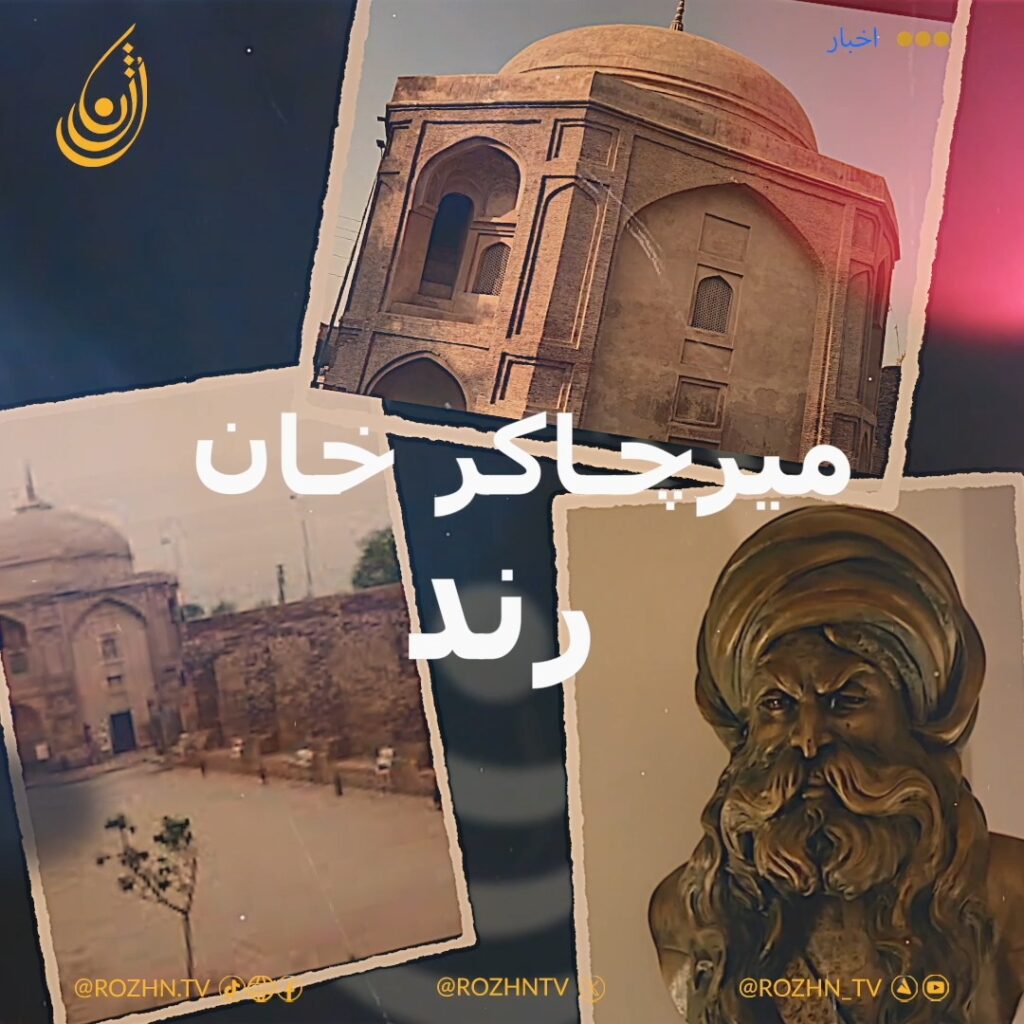
میرچاکر خان رند، یکی از برجستهترین شخصیتهای تاریخ بلوچ، در سال ۱۴۶۸ میلادی در منطقه مَند بلوچستان متولد شد. او پس از درگذشت پدرش در ۱۸ سالگی به رهبری قبیله رند رسید و به سرعت به یکی از رهبران تأثیرگذار در تاریخ بلوچستان و مناطق اطراف بدل شد. میرچاکر در دوران جوانی وارد جنگهای طولانی میان قبایل رند و لاشاری شد؛ نبردهایی که به مدت سی سال ادامه داشت و بهعنوان بخشی مهم از تاریخ شفاهی بلوچها باقی مانده است.
با بنیانگذاری کنفدراسیون دوم بلوچ در سال ۱۴۸۷، میرچاکر توانست نفوذ سیاسی و نظامی خود را گسترش دهد. او قلمرو خود را از بلوچستان تا پنجاب و مولتان توسعه داد و در این مسیر با پادشاه مولتان و سپس امپراتور همایون همکاری داشت. پس از بازپسگیری دهلی توسط همایون، میرچاکر به پاس خدماتش زمینها و امتیازات گستردهای دریافت کرد.
میرچاکر رند نه تنها در میدان نبرد بلکه در شکلدهی به هویت سیاسی و فرهنگی بلوچها نقشی ماندگار ایفا کرد. او تا سال ۱۵۶۵ میلادی در منطقه ستگهره در پنجاب زیست و پس از درگذشت، آرامگاهی برای او ساخته شد که امروز بهعنوان یکی از نمادهای تاریخی و فرهنگی بلوچها شناخته میشود. میرچاکر رند در حافظه جمعی بلوچها بهعنوان نماد شجاعت، اتحاد و مقاومت باقی مانده است.
ENMir Chakar Rind and the Unity of the Baloch TribesRead in English
Rozhn TV | Friday, September 12, 2025
Mir Chakar Khan Rind, one of the most prominent figures in Baloch history, was born in 1468 in the Mand region of Balochistan. After the death of his father when he was 18, he became leader of the Rind tribe and quickly emerged as one of the most influential leaders in the history of Balochistan and the surrounding regions. In his youth, Mir Chakar entered the protracted wars between the Rind and Lashari tribes, battles that lasted thirty years and remain an important part of Baloch oral history.
With the founding of the Second Baloch Confederacy in 1487, Mir Chakar was able to expand his political and military influence. He extended his domain from Balochistan to Punjab and Multan, and along the way cooperated with the king of Multan and later with Emperor Humayun. After Humayun recaptured Delhi, Mir Chakar received extensive lands and privileges in recognition of his services.
Mir Chakar Rind played an enduring role not only on the battlefield but also in shaping the political and cultural identity of the Baloch. He lived in the Satgarha region of Punjab until 1565, and after his death a tomb was built for him, which today is regarded as one of the historical and cultural symbols of the Baloch. In the collective memory of the Baloch, Mir Chakar Rind remains a symbol of courage, unity and resistance.