عدالت یا ابزار دولت؟
تلویزیون رُژن | شنبه ۲۲ شهریور ۱۴۰۴ خورشیدی / ۱۳ سپتامبر ۲۰۲۵ میلادی
عزیز سنگھور
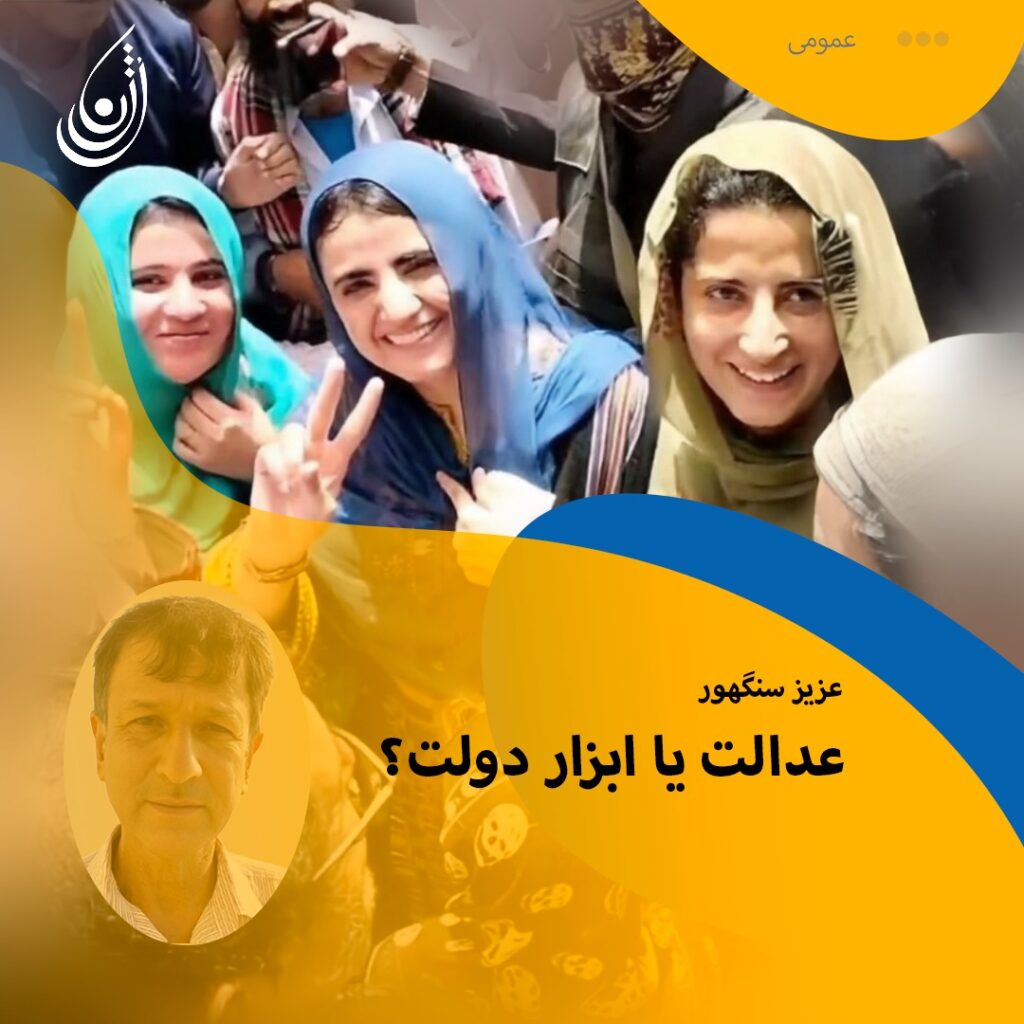
در یازدهم سپتامبر ۲۰۲۵ دادگاه ضد تروریسم کویته برای ششمین بار قرار بازداشت رهبران «کمیته همبستگی بلوچ» را تمدید کرد و دکتر ماه رنگ بلوچ، بیبو بلوچ، گلزادی بلوچ، صبغتالله شاهجی و بیبرگ بلوچ را برای پانزده روز دیگر به پولیس تحویل داد. در ظاهر این یک روند عادی قضایی است، اما در واقع پرسشهای جدی در مورد آینده سیاسی بلوچستان و حیثیت دستگاه قضایی پاکستان برمیانگیزد.
هدف از بازداشت موقت باید پیشبرد تحقیقات باشد. اما وقتی در یک پرونده شش بار بازداشت تمدید شود و هیچ سند محکمهپسندی ارائه نگردد، هدف آشکار میشود: شکستن روانی و جسمی فعالان سیاسی. این نه عدالت، بلکه تمسخر عدالت است.
دکتر ماهرنگ بلوچ پس از جلسه دادگاه گفت: «تصمیمها از پیش نوشته میشوند.» سخن او تنها گلایه نیست، بلکه حقیقت تلخی را آشکار میکند. دادگاهی که تنها اوراقی را امضا میکند که جای دیگر نوشته شده، دادگاه مستقل نیست؛ صحنهای است که قاضی در آن نقش قاری سناریوی نهادهای امنیتی را بازی میکند.
جرم واقعی دکتر ماهرنگ و یارانش نه فعالیت غیرقانونی، بلکه صدای رسا و پرصلابت آنان است. او در سطح جهانی نقض حقوق بشر و ناپدیدسازیهای اجباری در بلوچستان را فاش کرده است. بازداشت او پیام روشنی دارد: «هیچ جایی برای مخالفت نیست.»
این پروندهها تنها افراد را هدف نمیگیرند، بلکه تلاشی برای خاموشکردن یک جنبشاند. اما تاریخ بارها نشان داده است که هرگاه دولتها صداها را خاموش کنند، آن صداها بلندتر میشوند.
وکلای بیوایسی بهدرستی تأکید کردند که تمدیدهای پیدرپی نه قانونی است و نه مطابق با حقوق بشر. اگر واقعاً شواهدی وجود دارد باید به دادگاه ارائه شود. در غیر این صورت، این تصور تقویت میشود که دادگاهها نه برای تحقق عدالت بلکه برای اجرای خواست نهادهای امنیتی عمل میکنند. دستگاهی که تابع قدرت باشد، عدالت نیست بلکه ابزار سرکوب است.
همین دادگاهها وقتی در پنجاب به یک شهروند امتیاز میدهند، از «عدالت» سخن گفته میشود. اما در بلوچستان همان دادگاهها زیر فشار دولت تسلیم میشوند. برای پنجاب، این نظام عدالت است؛ برای بلوچستان، ابزار دولت.
این دوگانگی، جوانان بلوچ را از دادگاهها ناامید ساخته و آنان را به سوی کوهها یا خیمههای اعتراضی رانده است. وقتی یک قوم احساس کند که قانون برای دیگران «پناه» و برای آنان «زندان» است، طبیعی است که اعتمادش از بین برود.
مردم بلوچ بارها دیدهاند که دادگاهها بهجای اجرای عدالت، روایت دولت را تقویت میکنند. این بیعدالتی حس ناامنی اجتماعی را افزایش میدهد. چگونه میتوان از شهروندان انتظار داشت به قانونی اعتماد کنند که تنها علیه آنان بهکار میرود؟
سخن ماهرنگ بلوچ که «تصمیمها از پیش نوشته میشوند» وزنی تاریخی دارد. اگر این درست باشد، آزادی قضایی فریبی بیش نیست و عدالت تنها خوابی دستنیافتنی است.
دولت باید درک کند که سرکوب مبارزه مدنی مسأله را حل نمیکند، بلکه پیچیدهتر میسازد. تحقیر فعالان سیاسی در دادگاهها و گرفتارکردن آنان در پروندههای جعلی نه درد بلوچستان را درمان میکند و نه صدای مردم را خاموش.
تاریخ نشان داده است که وقتی دادگاهها عدالت را نادیده بگیرند، مردم دادگاههای خود را میسازند. اگر دادگستری رسمی عدالت را ندهد، دادگاه تاریخ حکم خواهد کرد-و تاریخ هرگز تصمیمهای تحمیلی را نپذیرفته، بلکه همواره شهادت مظلوم را ثبت کرده است.
رفتاری که امروز با فعالان بلوچ میشود، ضربهای مهلک بر ارزشهای دموکراتیک است. این رفتار تنها افراد را هدف قرار نمیدهد، بلکه پیامی است به یک ملت که «راه عدالت بر شما بسته است.»
اگر دولت واقعاً ثبات میخواهد، باید به مردم بلوچ عدالت دهد، دستگاه قضایی را مستقل سازد و مبارزه سیاسی مسالمتآمیز را به رسمیت بشناسد.
وگرنه، باید بداند که وقتی دادگاهها عدالت نمیدهند، تاریخ قضاوت میکند-و تاریخ همیشه حکم قدرت را رد کرده و صدای مظلوم را به رسمیت شناخته است.
ENJustice or an Instrument of the State?Read in English
Rozhn TV | Saturday, September 13, 2025
Aziz Sanghur
On September 11, 2025, the Quetta anti-terrorism court extended the detention of the leaders of the “Baloch Yakjehti Committee” for the sixth time, handing Dr. Mahrang Baloch, Bibo Baloch, Gulzadi Baloch, Sibghatullah Shahji and Bibarg Baloch over to the police for another fifteen days. On the surface this is an ordinary judicial process, but in reality it raises serious questions about Balochistan’s political future and the integrity of Pakistan’s judiciary.
The purpose of temporary detention should be to advance an investigation. But when detention is extended six times in a single case and no credible evidence is presented, the real purpose becomes clear: to break political activists psychologically and physically. This is not justice but a mockery of justice.
After the court session, Dr. Mahrang Baloch said: “The decisions are written in advance.” Her words are not merely a complaint; they expose a bitter truth. A court that merely signs papers written elsewhere is not an independent court; it is a stage on which the judge plays the role of reader of the security institutions’ script.
The real crime of Dr. Mahrang and her comrades is not any illegal activity but their loud and resolute voice. She has exposed human rights violations and enforced disappearances in Balochistan at the global level. Her detention carries a clear message: “There is no place for dissent.”
These cases do not target only individuals; they are an attempt to silence a movement. But history has shown time and again that whenever governments silence voices, those voices grow louder.
The BYC lawyers rightly stressed that the successive extensions are neither lawful nor in line with human rights. If there is truly evidence, it must be presented to the court. Otherwise, the impression is strengthened that the courts act not to deliver justice but to carry out the will of the security institutions. A system that is subordinate to power is not justice but an instrument of repression.
When these same courts grant relief to a citizen in Punjab, people speak of “justice.” But in Balochistan, the same courts yield under pressure from the state. For Punjab, this is a system of justice; for Balochistan, an instrument of the state.
This duality has disillusioned young Baloch with the courts and driven them toward the mountains or the protest tents. When a people feels that the law is “shelter” for others and “prison” for them, it is natural that their trust vanishes.
The Baloch people have seen again and again that, instead of delivering justice, the courts reinforce the state’s narrative. This injustice increases the sense of social insecurity. How can citizens be expected to trust a law that is used only against them?
Mahrang Baloch’s statement that “the decisions are written in advance” carries historic weight. If this is true, judicial independence is nothing but a deception and justice is merely an unattainable dream.
The state must understand that suppressing civil struggle does not solve the problem; it makes it more complicated. Humiliating political activists in the courts and entangling them in fabricated cases neither cures Balochistan’s pain nor silences the people’s voice.
History has shown that when courts ignore justice, people build their own courts. If the official judiciary does not deliver justice, the court of history will rule – and history has never accepted imposed decisions, but has always recorded the testimony of the oppressed.
The treatment of Baloch activists today is a deadly blow to democratic values. It targets not only individuals; it is a message to a nation that “the path of justice is closed to you.”
If the state truly wants stability, it must give justice to the Baloch people, make the judiciary independent and recognize peaceful political struggle.
Otherwise, it should know that when the courts do not deliver justice, history will judge – and history has always rejected the verdict of power and recognized the voice of the oppressed.