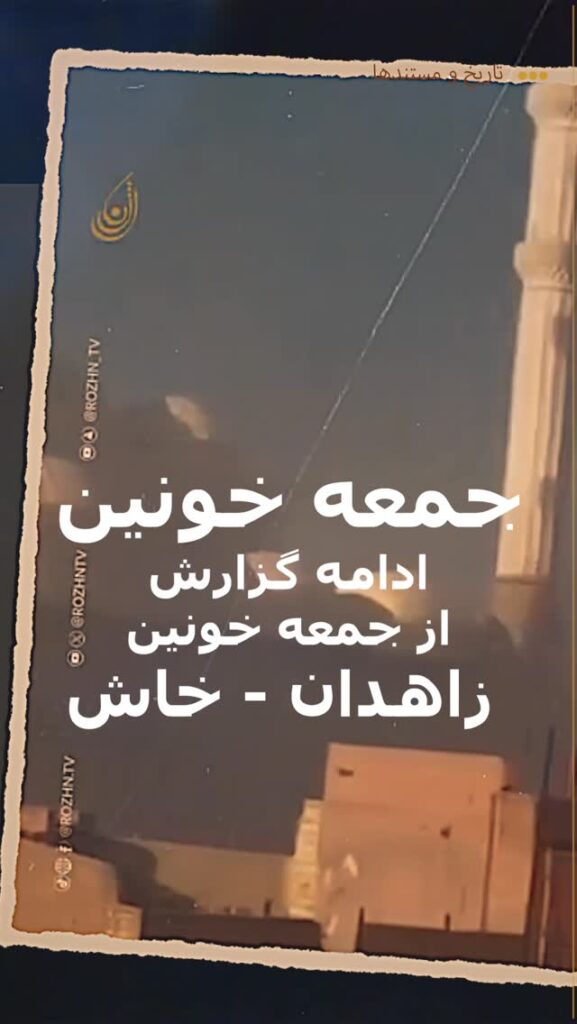
ادامه گزارش از جمعه خونین زاهدان
تلویزیون روژن | پنجشنبه ۲۷ شهریور ۱۴۰۴ خورشیدی / ۱۸ سپتامبر ۲۰۲۵ میلادی
لکه ننگ ابدی بر پیشانی تاریخ جمهوری اسلامی ایران با پر پر کردن لاله های جاوید نام جمعه خونین زاهدان
در آن روز از آسمان و زمین آتش و گلوله میبارید و بیش از صد انسان جان باختند و بیش از سیصد نفر دیگر زخمی شدند. تنها جرم آنها این بود که خواهان حقوق ابتدایی و انسانی خود بودند.
لالههای سرخ آن روز، نامهایی هستند که هرگز از یادها نخواهند رفت. از خدانور لجهای، جوانی که دستهایش به زنجیر ظلم بسته شد و با لبهای تشنه و قلبی پر از آرزو به خاک افتاد، تا داستانی از تشنگی و مظلومیت را بازگو کند؛ که حکومت سالهاست مردم را با آن فریفته است. محمد اقبال نایبزهی، کارگری ساده با دستان پینهبسته که نه سلاحی در دست داشت و نه خشمی در دل، جز امید به روزی بهتر برای خود و همقطارانش. جواد پوشه، یازده ساله و هستی نارویی، کودکی هفت ساله که حتی معنای عدالت را نمیدانستند، امید نارویی جوانی هفده ساله که امیدش به زیر خروار ها خاک رفت. سامر هاشمزهی و صلاحالدین گمشادزهی که در کنار درد تالاسمی، قربانی بیرحمی دژخیمان نظام شدند. و یاسر شهبخش، قهرمان شجاع آن روز، که نامش در تاریخ بلوچستان به نماد ایثار و مقاومت جاودانه خواهد ماند. همچنین بانوی میانسالی که در گمنامی چهره در نقاب خاک کشید.
آیا تاریخ فراموش خواهد کرد که دو هفته پس از آن جمعه خونین، جمهوری اسلامی بار دیگر در شهرستان خاش جنایتی مشابه را مرتکب شد؟
ENContinued Report on Zahedan’s Bloody FridayRead in English
Rozhn TV | Thursday, September 18, 2025
An eternal stain of shame on the brow of the Islamic Republic of Iran’s history, for plucking the immortal tulips, named Zahedan’s Bloody Friday
On that day fire and bullets rained from sky and ground, and more than a hundred people lost their lives and more than three hundred others were wounded. Their only crime was demanding their basic human rights.
The red tulips of that day are names that will never be erased from memory. From Khodanur Lajaei, a young man whose hands were bound in the chains of oppression and who fell to the ground with thirsty lips and a heart full of hopes, to tell a story of thirst and oppression, one with which the government has for years deceived the people. Mohammad Eqbal Nayebzehi, a simple laborer with calloused hands who had neither a weapon in his hand nor rage in his heart, only hope for a better day for himself and his fellow workers. Eleven-year-old Javad Pousheh and Hasti Naroui, a seven-year-old child who did not even know the meaning of justice, Omid Naroui, a 17-year-old youth whose hopes went beneath heaps of earth. Samer Hashemzehi and Salahuddin Gomshadzehi, who, despite suffering from thalassemia, became victims of the cruelty of the regime’s executioners. And Yaser Shahbakhsh, the brave hero of that day, whose name will remain in the history of Balochistan as a symbol of sacrifice and eternal resistance. Also a middle-aged woman who, in anonymity, drew her face into the veil of earth.
Will history forget that two weeks after that Bloody Friday, the Islamic Republic committed a similar crime again in Khash county?