بلوچستانگزارش بلند
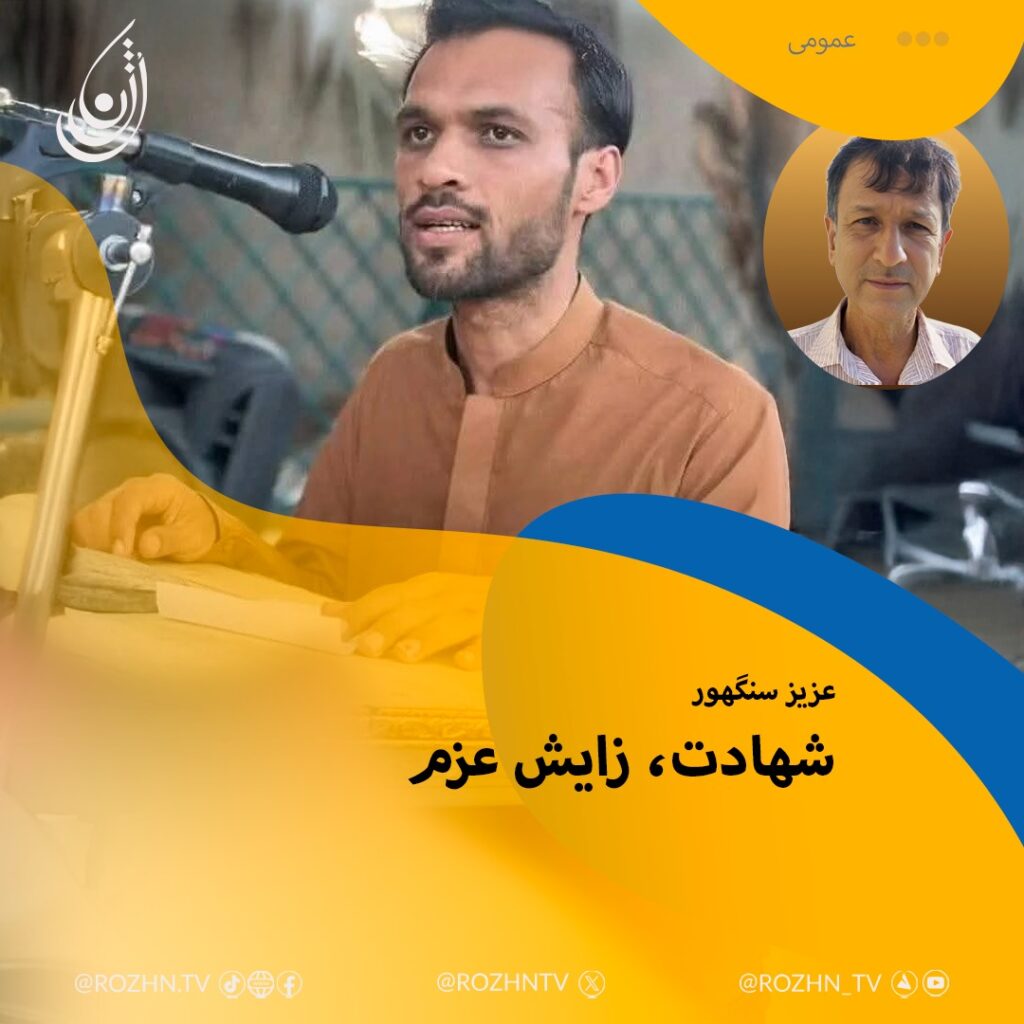
شهادت، زایش عزم
تلویزیون روژن | پنجشنبه ۳ مهر ۱۴۰۴ خورشیدی / ۲۵ سپتامبر ۲۰۲۵ میلادی
عزیز سنگھور
بلوچستان بار دیگر خونین شد. صبح ۲۴ سپتامبر در ولسوالی چاغی، منطقهٔ دالبندین، نیروهای پاکستانی بر یک خانه یورش بردند که در جریان تیراندازی، زبیر دهوار بلوچ، رئیس پیشین سازمان دانشجویان بلوچ (پجار) و به حرفه وکیل دادگستری، همراه با همرزمانش نثار بلوچ به شهادت رسیدند. اما فاجعه در همینجا پایان نیافت. نهادهای دولتی حتی از تحویل دادن پیکرهای شهیدان به خانوادههایشان خودداری کردند؛ گویی همانگونه که بدن زندهٔ بلوچ را به اسارت میگیرند، جسد بیجان او نیز باید تحقیر و زندانی گردد.
زبیر بلوچ نه تنها یک فعال سیاسی، بلکه حقوقدانی آگاه بود که وکالت را به ابزاری برای دفاع از حقوق مردم بلوچ بدل ساخت. او مدافع سرسخت حاکمیت بلوچ بر سواحل و منابع طبیعی بلوچستان بود. موضع او روشن بود: پروژههایی همچون سیپک چیزی جز طرحهای اشغالگرایانه برای بیرون راندن بلوچها و تسلط بر منابعشان نیستند. شیوهٔ مبارزهاش مسالمتآمیز و در چهارچوب قانون بود. او در دادگاهها، همایشها و نشستهای سیاسی پروندهٔ ملت خود را پیوسته مطرح میساخت. درست همین صدای استوار بود که برای دولت تحملناپذیر شد.
شورای وکلای بلوچستان این حادثه را به شدت محکوم کرد و گفت زبیر بلوچ شهروندی صلحجو و وکیلی بود که همواره برای برتری قانون و عدالت کوشید. قتل او نه تنها برای مردم بلوچ بلکه برای کل جامعهٔ وکلا ضربهای بزرگ است. شورا برای ۲۵ سپتامبر اعتصاب و بایکوت کامل فعالیتهای قضایی را اعلام کرد. این اعتراض نشان میدهد که گلولههای دولت تنها بر سینهٔ فعالان سیاسی نمینشیند، بلکه مدافعان قانون نیز در امان نیستند.
حزب ملی اعلام کرد قتل زبیر بلوچ تلاشی آشکار برای خاموش کردن یک صدای سیاسی و دموکراتیک است. او سیاست دانشجویی را به افق تازهای کشاند، مسئلهٔ ناپدیدشدگان را آشکار ساخت و جوانان را بر اساس قانون به مبارزه برای حقوقشان فراخواند. شهادت او بار دیگر این پرسش را زنده میکند: آیا در پاکستان برای مخالفت مسالمتآمیز جایی باقی مانده است؟
جنبش ملی بلوچ (بیانام) این رویداد را «تروریسم دولتی» نامید و تأکید کرد که زبیر بلوچ مدافع حقوق بشر بود که آگاهانه هدف قرار گرفت. به باور بیانام، پاکستان برای فریب جهانیان جنبش بلوچ را «فتنهٔ هندوستان» مینامد، حال آنکه حقیقت چیز دیگری است: این جنبش محلی، ریشهدار و برای مالکیت بر منابع و حفظ هویت ملی شکل گرفته است.
سازمان دانشجویان بلوچ (بیاساو) گفت قتل زبیر بلوچ در واقع توطئهای برای سرکوب جنبش دانشجویی بلوچ است. همواره تشکلهای دانشجویی را بنیان آگاهی ملی و سیاست مقاومت دانستهاند. بیاساو اعلام کرد که رهبرانی همچون زبیر بلوچ را میتوان از میان برداشت، اما اندیشهها و فداکاریهایشان هرگز از یاد نخواهد رفت. این سازمان سه روز عزای عمومی اعلام کرد تا عمق تأثیر این فاجعه را نشان دهد.
تاریخ بلوچستان سرشار از سرکوب دولتی و مبارزهٔ مقاومتآمیز است. شهادت زبیر بلوچ حلقهٔ تازهای در همین زنجیر است. سیاست دولت روشن است: هر صدایی که علیه غارت منابع و ناپدیدسازیهای اجباری برخیزد، باید خاموش شود. اما پرسش اینجاست: آیا گلوله میتواند اندیشهها را نابود کند؟ تاریخ نشان داده است که چنین فداکاریهایی جنبشها را از میان نمیبرد، بلکه نیرومندتر میسازد.
بیانام خواستار شد که سازمان ملل متحد در نشست جاری این موضوع را مطرح کند. این مطالبه بیاساس نیست. پاکستان از یکسو مدعی دفاع از حقوق بشر است و از سوی دیگر خانهها را هدف قرار میدهد و شهروندان بیگناه، زنان و کودکان را به قتل میرساند. این دوگانگی باید بر جهانیان آشکار گردد. شهادت زبیر بلوچ سندی انکارناپذیر است که دولت بهطور سیستماتیک در پی خاموش کردن هر صدایی است که از حقوق بلوچ دفاع کند.
این حمله در عین حال نیروی تازهای به مقاومت میبخشد. زبیر بلوچ زندگی خود را وقف آموزش، عدالت و حقوق ملی کرد. مبارزات او برای نسل جوان چراغ راه است. خون او برای دانشجویان و مردم بلوچ عهدی نوین خواهد بود.
حادثهٔ دالبندین گواهی است روشن که در بلوچستان درهای سیاست دموکراتیک و مخالفت مسالمتآمیز بسته شده است. دولت با زور نظامی میکوشد صداهای صلحجو را خاموش کند. اما تاریخ شهادت میدهد که سرکوب پایدار نیست. شهادت زبیر بلوچ و نثار بلوچ به مقاومت جان تازهای خواهد بخشید.
دولت باید دریابد که ملتها زیر سایهٔ تفنگ پایدار نمیمانند. سرکوب حقوق، مبارزه را شدیدتر میسازد. اگر پاکستان حقیقتاً خواهان صلح و ثبات است باید صدای واقعی مردم بلوچ را بپذیرد، در غیر این صورت شهیدانی چون زبیر بلوچ در صفحات تاریخ جاودانه خواهند شد و نسلهای آینده را به ایستادگی در برابر ستم فرا خواهند خواند.
ENMartyrdom, the Birth of ResolveRead in English
Rozhn TV | Thursday, September 25, 2025
Aziz Sanghur
Balochistan has once again been bloodied. On the morning of September 24, in the Chagai district, Dalbandin area, Pakistani forces raided a house, and in the ensuing gunfire Zubair Dehwar Baloch, former chairman of the Baloch Students Organization (Pajjar) and a lawyer by profession, was martyred together with his comrade Nisar Baloch. But the tragedy did not end there. State institutions even refused to hand the bodies of the martyrs over to their families; as though, just as they take the living body of a Baloch captive, his lifeless corpse too must be humiliated and imprisoned.
Zubair Baloch was not only a political activist but also a knowledgeable jurist who turned the practice of law into a tool for defending the rights of the Baloch people. He was a staunch defender of Baloch sovereignty over Balochistan’s coasts and natural resources. His position was clear: projects such as CPEC are nothing but occupation schemes to drive the Baloch out and seize control of their resources. His method of struggle was peaceful and within the framework of the law. In courts, conferences and political gatherings he continually raised the case of his nation. It was precisely this steadfast voice that became intolerable to the state.
The Balochistan Bar Council strongly condemned the incident and said Zubair Baloch was a peace-loving citizen and a lawyer who had always striven for the rule of law and justice. His killing is a major blow not only to the Baloch people but to the entire legal community. The council announced a strike and a complete boycott of judicial activities on September 25. This protest shows that the state’s bullets do not strike only the chests of political activists; defenders of the law, too, are not safe.
The National Party said the killing of Zubair Baloch was an obvious attempt to silence a political and democratic voice. He took student politics to a new horizon, exposed the issue of the disappeared, and called on young people to struggle for their rights within the law. His martyrdom again raises the question: is there any room left in Pakistan for peaceful dissent?
The Baloch National Movement (BNM) called the incident “state terrorism” and stressed that Zubair Baloch was a human rights defender who was deliberately targeted. According to the BNM, Pakistan, to deceive the world, calls the Baloch movement “Fitna al-Hindustan” (Indian sedition), whereas the truth is otherwise: this movement is local, rooted, and formed for ownership of resources and the preservation of national identity.
The Baloch Students Organization (BSO) said the killing of Zubair Baloch is in effect a conspiracy to suppress the Baloch student movement. They have always regarded student organizations as the foundation of national awareness and the politics of resistance. The BSO declared that leaders such as Zubair Baloch can be removed, but their ideas and sacrifices will never be forgotten. The organization declared three days of public mourning to show the depth of the impact of this tragedy.
The history of Balochistan is full of state repression and resistance struggle. The martyrdom of Zubair Baloch is a new link in the same chain. The state’s policy is clear: any voice raised against the plunder of resources and enforced disappearances must be silenced. But the question is: can a bullet destroy ideas? History has shown that such sacrifices do not destroy movements; they make them stronger.
The BNM demanded that the United Nations raise this matter at its current session. This demand is not baseless. On one hand Pakistan claims to defend human rights, and on the other it targets homes and kills innocent citizens, women and children. This duplicity must be made clear to the world. The martyrdom of Zubair Baloch is an undeniable document that the state is systematically seeking to silence every voice that defends Baloch rights.
At the same time, this attack gives fresh strength to the resistance. Zubair Baloch devoted his life to education, justice and national rights. His struggles are a guiding light for the young generation. His blood will be a new pledge for Baloch students and the Baloch people.
The Dalbandin incident is clear testimony that in Balochistan the doors of democratic politics and peaceful dissent have been closed. The state is trying, with military force, to silence peaceful voices. But history testifies that repression is not lasting. The martyrdom of Zubair Baloch and Nisar Baloch will give new life to the resistance.
The state must understand that nations do not endure under the shadow of the gun. Suppression of rights intensifies the struggle. If Pakistan truly wants peace and stability, it must accept the real voice of the Baloch people; otherwise martyrs like Zubair Baloch will be immortalized in the pages of history and will call future generations to stand firm against oppression.