کتاب، جرم شده است
عزیز سنگھور
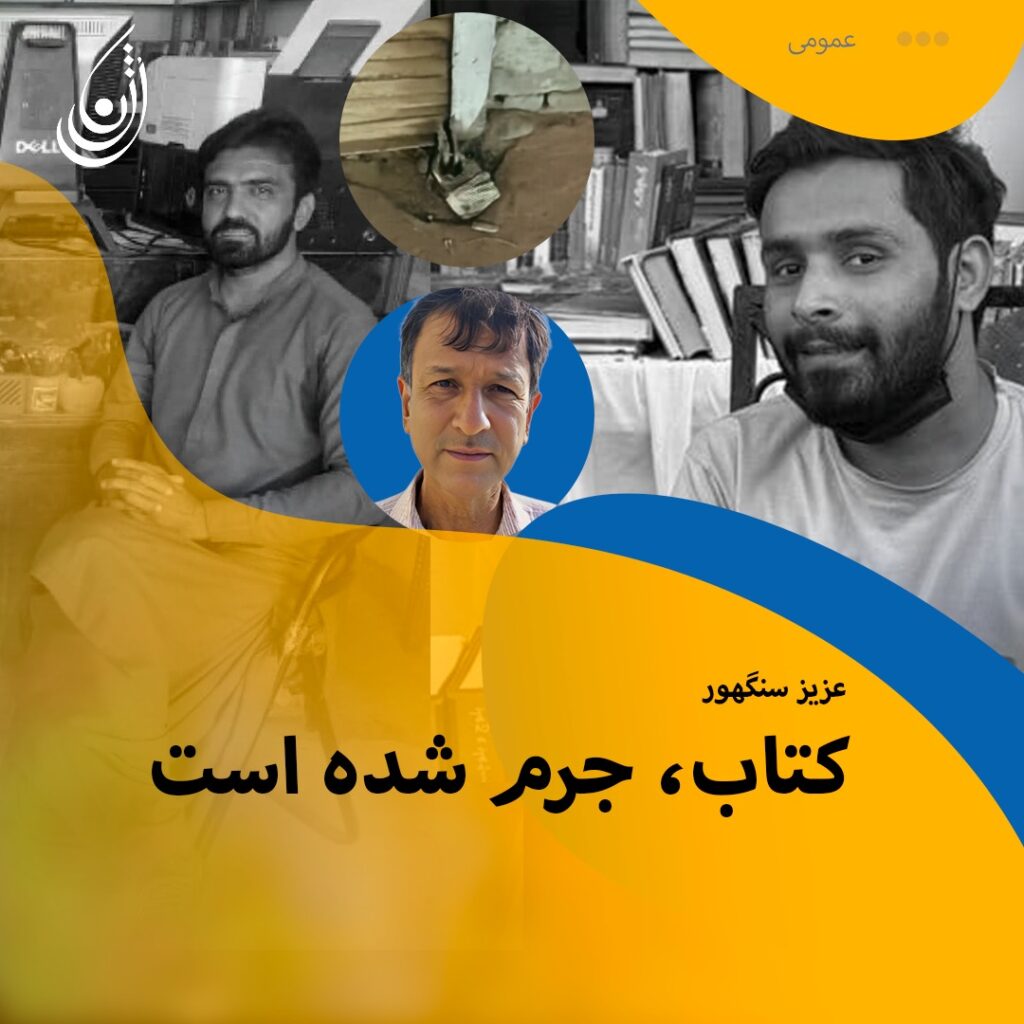
در بلوچستان، اینک کتاب نیز به جرم بدل شده است. این جمله در ظاهر تلخ مینماید، اما اگر به چشمانداز سیاسی و اجتماعی متغیر بلوچستان بنگریم، درمییابیم که این حقیقتی تلخ و انکارناپذیر است. در سوم اکتبر ۲۰۲۵، ادارهی ولسوالی کویته گامی برداشت که این حقیقت هولناک را مُهر تأیید زد. مرکز علمی و فرهنگی برجستهی شهر، یعنی کتابفروشی زوار (Zawar Book Shop)، ناگهان پلمب شد؛ جایی که سالها چون چراغی برای اهلِ دانش، دانشجویان و پژوهشگران میدرخشید.
این کتابفروشی صرفاً دکانِ فروش کتاب نبود، بلکه روح سنت ادبی براهوئی به شمار میرفت. هر روز جوانانِ دانشجو، شاعران، نویسندگان، پژوهشگران و خوانندگان در آن گرد هم میآمدند، پیرامون کتاب گفتوگو میکردند و در جستوجوی حقیقت، گفتوگویی روشنگرانه برپا میساختند. در آنجا عطر واژهها پیچیده بود، گرمای پرسشها زنده بود، و نوری از امید میتابید که در جامعهای سرکوبشده چون بلوچستان، ذهنها را بیدار نگه میداشت.
صاحبِ کتابفروشی، غنی بلوچ، دانشآموختهی مقطع کارشناسی ارشد در ادبیات براهوئی، مترجم، پژوهشگر و فعالِ اجتماعی صلحجوست. اما در ۲۵ مه ۲۰۲۵، خود او قربانی ستم حکومتی شد. به گفتهی خانوادهاش، او هنگام سفر از کویته به کراچی در نزدیکی خضدار ناپدید شد. مأموران حکومتی او را بازداشت کردند، اما تا امروز هیچ اطلاعی از محل نگهداریاش یا اتهامی علیه او در دست نیست. نه دادگاهی، نه حکمی، فقط سکوتی سنگین.
و اکنون که خانوادهاش در اندوه و اضطراب فرو رفتهاند، ادارهی ولسوالی کویته منبع یگانهی معاش آنان، یعنی همان کتابفروشی را نیز بسته است.
این اقدام دولتی پیامی روشن دارد: در بلوچستان، دانش جرم است و کتاب سند این جرم.
پرسش این نیست که چرا دکان بسته شد، بلکه این است که چرا از کتاب میترسند؟
این موجِ سرکوب تنها به بلوچستان محدود نیست. در ۲۱ ژوئیهی ۲۰۲۵، در بازار اردوِ کراچی نیز رویدادی مشابه رخ داد؛ جایی که چنگیز بلوچ، مدیر انتشارات مشهور علم و ادب، در روشنای روز ربوده شد. ده مرد مسلح و نقابدار به دفتر آن انتشارات در طبقهی سوم یورش بردند، دوربینهای امنیتی را شکستند، ضبطها را نابود کردند و چنگیز بلوچ را با خود بردند. او تا امروز ناپدید است.
چنگیز بلوچ از منطقهی تُمپ در شهرستان کیچ است؛ شخصیتی فرهنگی و ادبی که در کراچی، با تأسیس علم و ادب، دهها کتاب علمی و تحقیقی را منتشر کرد. این انتشارات در سال ۲۰۱۶ بهدست نواز فتح بلوچ، از شهر تربت، بنیانگذاری شد. این مرکز، کتابهایی نادر در زبانهای اردو، بلوچی و دیگر زبانهای محلی چاپ کرد و در تقویت فکری نسل جوان سهمی بزرگ داشت.
اما این نهاد نیز بارها هدف قرار گرفت. در ۲۶ اوت ۲۰۲۲، مدیر پیشین آن، لالا فهیم بلوچ، ربوده شد. او ماهها ناپدید بود و پس از آزادی، همچنان تحت تهدید و آزار قرار داشت تا سرانجام ناچار شد بلوچستان را ترک و در تبعید زندگی کند. پس از رفتنِ او، چنگیز بلوچ مسئولیت اداره را به عهده گرفت، و سه سال بعد خود نیز به همان سرنوشت دچار شد.
هدف از این روند روشن است: هر کس در بلوچستان قلم بردارد، هر کس جرئت سخن گفتن یا نوشتن پیدا کند، یا باید خاموش شود یا ناپدید گردد.
پلمب شدن کتابفروشی زوار و ناپدیدی چنگیز بلوچ دو حلقه از یک زنجیرند؛ زنجیری از سیاستی که اعلان جنگ با کتاب، دانش و حقیقت است.
اکنون در بلوچستان، از تفنگ نه، بلکه از واژه میترسند.
دولت بیم دارد که مبادا خواننده بیندیشد، و اندیشنده پرسش کند.
این همان بلوچستان است که روزگاری چراغ دانش در آن میدرخشید؛
از مکران تا قلات، محافل ادبی برپا میشد، شعر میخواندند، بحثهای فکری میکردند.
و امروز همان سرزمین، در چنگ سانسور، ترس و سکوت گرفتار است.
بستن کتابفروشی زوار رخدادی ساده نیست؛ این، بستنِ درِ اندیشه است.
دولت با مجازاتِ خانوادهی مردی که خود ناپدید شده، در حقیقت به جامعه پیام میدهد:
اگر بیندیشی، اگر بنویسی، اگر آموزش دهی، سرنوشتت همین است.
کویته، که زمانی مهد علم و آگاهی بود، اکنون با پلمب کردنِ کتابفروشیها اعلام کرده است که جنگ دولت با کتاب رسماً آغاز شده است.
قفلِ زدهشده بر درِ کتابفروشی زوار نمادیست از قفل بر دانش، ادبیات و حقیقت.
و ناپدیدیِ چنگیز بلوچ و لالا فهیم بلوچ گواهیست بر اینکه امروز واژه از گلوله خطرناکتر شمرده میشود.
اما تاریخ گواه است که کتابها همیشه سوزانده شدهاند، ولی هرگز نمردهاند.
کتاب زنده میماند — در کتابخانهای، در دلی، در یادی، یا در رؤیایی.
همیشه بازمیگردد، حتی اگر در هیأت خاکستر.
اگر درِ کتابفروشی زوار بسته شده، اگر چنگیز بلوچ ناپدید است، اگر لالا فهیم در تبعید است —
با اینهمه، واژهها هنوز زندهاند.
زیرا کتاب را نمیتوان زندانی کرد.
او در هر انسانی نفس میکشد که از گفتنِ حقیقت نمیهراسد —
و شاید همین است آن چیزی که قدرتمندان را بیش از هر چیز میترساند.
ENBooks Have Become a CrimeRead in English
Aziz Sanghur
In Balochistan, books too have now become a crime. At first glance the sentence sounds bitter, but if we look at Balochistan’s changing political and social landscape, we find that it is a bitter and undeniable truth. On October 3, 2025, the Quetta district administration took a step that put its seal on this terrible truth. The city’s prominent academic and cultural center, the Zawar Book Shop, was suddenly sealed; for years it had shone like a lamp for scholars, students and researchers.
This bookshop was not merely a place that sold books; it was the soul of the Brahui literary tradition. Every day student youths, poets, writers, researchers and readers gathered there, talked about books and, in search of the truth, held enlightening conversations. The fragrance of words filled the air, the warmth of questions was alive, and a light of hope shone that kept minds awake in a repressed society like Balochistan.
The bookshop’s owner, Ghani Baloch, is a graduate with a master’s degree in Brahui literature, a translator, a researcher and a peaceful social activist. But on May 25, 2025, he himself became a victim of state oppression. According to his family, he disappeared near Khuzdar while traveling from Quetta to Karachi. State agents detained him, but to this day there is no information about his whereabouts or any charge against him. No court, no ruling, only a heavy silence.
And now, as his family is plunged into grief and anxiety, the Quetta district administration has also shut down their only source of livelihood, the very same bookshop.
This state action carries a clear message: in Balochistan, knowledge is a crime and the book is the evidence of that crime.
The question is not why the shop was closed, but why they are afraid of books?
This wave of repression is not confined to Balochistan. On July 21, 2025, a similar incident occurred in Karachi’s Urdu Bazaar, where Changiz Baloch, head of the well-known publishing house Ilm o Adab, was abducted in broad daylight. Ten armed, masked men raided the publisher’s third-floor office, smashed the security cameras, destroyed the recordings and took Changiz Baloch away with them. He remains missing to this day.
Changiz Baloch is from Tump in Kech district; a cultural and literary figure who, by founding Ilm o Adab in Karachi, published dozens of scholarly and research books. The publishing house was founded in 2016 by Nawaz Fateh Baloch, from the city of Turbat. This center printed rare books in Urdu, Balochi and other local languages and made a major contribution to the intellectual strengthening of the young generation.
But this institution too was repeatedly targeted. On August 26, 2022, its former head, Lala Fahim Baloch, was abducted. He was missing for months and, after his release, remained under threats and harassment until he was finally forced to leave Balochistan and live in exile. After his departure, Changiz Baloch took over its management, and three years later he himself suffered the same fate.
The aim of this process is clear: anyone in Balochistan who picks up a pen, anyone who dares to speak or write, must either be silenced or disappear.
The sealing of the Zawar Book Shop and the disappearance of Changiz Baloch are two links in one chain; a chain of a policy that amounts to a declaration of war on books, knowledge and truth.
Now in Balochistan, it is not the gun but the word that is feared.
The state fears that the reader might think, and the thinker might ask questions.
This is the same Balochistan in which the lamp of knowledge once shone;
from Makran to Kalat, literary gatherings were held, poetry was recited, intellectual debates took place.
And today that same land is caught in the grip of censorship, fear and silence.
Closing the Zawar Book Shop is not a simple event; it is the closing of the door of thought.
By punishing the family of a man who has himself disappeared, the state is in fact sending a message to society:
If you think, if you write, if you teach, this will be your fate.
Quetta, once the cradle of knowledge and awareness, has now declared, by sealing bookshops, that the state’s war on books has officially begun.
The lock placed on the door of the Zawar Book Shop is a symbol of a lock on knowledge, literature and truth.
And the disappearance of Changiz Baloch and Lala Fahim Baloch is testimony that today the word is considered more dangerous than the bullet.
But history bears witness that books have always been burned, yet they have never died.
The book lives on, in a library, in a heart, in a memory, or in a dream.
It always comes back, even if in the form of ashes.
If the door of the Zawar Book Shop has been closed, if Changiz Baloch is missing, if Lala Fahim is in exile —
the words are still alive.
For a book cannot be imprisoned.
It breathes in every person who is not afraid to tell the truth —
and perhaps this is what frightens the powerful more than anything.